Searching for shipping containers for sale in the U.S.? Whether you plan to buy a used shipping container for storage, cargo, or a modification project, understanding the buying process and what to inspect is critical to finding a high-quality unit that meets your needs.
This guide covers key considerations—from surface rust and dents to corner castings and wind and watertight certification—so you can:
- • Evaluate new and used options
- • Compare sellers and supplier
- • Confidently purchase a used container
We’ll walk you through:
- • How to inspect a container in person
- • Reviewing detailed photos for remote evaluation
- • Assessing wear and tear
- • Choosing between new, one-trip, or used containers
- • Understanding supplier considerations
- • Modifications, certifications, and final purchase steps
Use this guide to find the right container for your project—whether a high cube for extra height, a storage container for on-site needs, or a certified shipping container for overseas transport—and learn how Four Sons Logistics supports delivery and modifications across its service area.
Inspect Used Shipping Containers: Inspecting a Used Container Before Purchase
Inspect the Container in Person
Inspecting a used container in person is the most reliable way to evaluate its condition and confirm wind and watertight integrity. When inspecting, check:
- • Open and close doors to test seals and hinges
- • Look for surface rust, dents, or patch repairs that may affect cargo protection
- • Inspect corners and corner castings for alignment and structural integrity (they bear lifting loads)
- • Check flooring, interior walls, and roof for holes or corrosion
- • Bring a flashlight and checklist for a thorough inspection
Detailed Photos and Remote Inspection
If you cannot inspect the container in person, request detailed photos and videos from the seller. Make sure they include:
- • Exterior panels, door seals, corner castings, and interior flooring
- • Close-ups of rust, dents, welds, and the ISO/CSC plate for certified shipping units
- • Shots of the container open and closed
- • Images of any modifications or interior fittings
- • Multiple angles and timestamps to reduce misrepresentation risk
Evaluate Wear and Tear
When evaluating wear and tear, focus on functional impact rather than cosmetic issues:
- • Dents affecting water drainage and structural performance
- • Surface rust depth; deep corrosion is a red flag
- • Flooring condition (rotted boards or oil stains may require replacement)
- • Corner castings and door frames for straightness and lack of major deformation
Buy Used: Choosing the Right Container Type for Your Needs
New vs. Used Containers: Pros and Cons
Deciding between new and used containers depends on:
- • Budget
- • Intended use
- • Longevity expectations
Pros of used containers:
- • Lower cost
- • Availability of as-is units
- • Suitable for storage or temporary projects
Potential downsides:
- • May require repairs
- • Could lack CSC certification for overseas shipping
Consider whether you need a one-trip container or a certified new container for international cargo. Also, evaluate if modifications will be easier on a new container or a high-quality used unit.
High Cube vs. Standard Containers
Choosing the right container height can make a big difference for storage, shipping, or conversion projects. High cube containers provide extra headroom for tall cargo or installations, while standard containers are versatile, widely available, and ideal for general use.
Consider:
- • High cube: Extra height, perfect for tall items or conversion projects
- • Standard: Lower height, widely available, good for general storage or shipping
- • Inspect roofs and top rails of used units for signs of deformation
- • Factor in payload limits and door dimensions when planning shelving or installations
One-Trip and High-Quality Used Options
Used containers offer a cost-effective way to get quality storage or shipping solutions. From one-trip containers with minimal wear to high-quality refurbished options, knowing the type and reviewing the container’s history ensures you get reliability without compromise.
Types of used containers to consider:
- • One-trip containers: Minimal wear, single voyage, middle-ground between new and used
- • Used one or one-trip containers: Balance price and condition; near-new appearance
- • High-quality used containers: Refurbished, painted, checked for wind/watertight status
Tip: Always request the container’s history and certificates if you plan to use it for certified shipping or sensitive cargo.
Supplier and Seller Considerations When Purchasing a Used Shipping Container
Working with a trustworthy supplier and carefully inspecting a container is key to protecting your investment. Checking for structural issues, rust, flooring problems, and reviewing the supplier’s policies ensures safety, durability, and peace of mind.
Choose a Reputable Supplier
Look for a supplier who:
- • Lists clear specifications and prices
- • Offers transparent return and inspection policies
- • Provides delivery and modification services (doors, windows, insulation, ventilation)
- • Has positive reviews and references
- • Offers warranties or clear terms for as-is containers
- • Can coordinate logistics, including crane or truck delivery
Buying from Shipping Lines and Independent Sellers
Buying used containers from shipping lines can yield well-maintained units, while independent sellers may offer lower prices on as-is containers suitable for non-shipping storage projects. Understand the differences in documentation and certification between containers sold by shipping lines versus private sellers, especially if you need a container certified for shipping or international standards. Ask whether the seller provides detailed photos, inspection reports, or reconditioning records. Compare quotes from multiple sources to find the right container at a fair price and confirm delivery logistics before purchase.
Pricing, Multiple Containers, and the Buying Process
Container prices vary by size, condition, location, and market demand. Request quotes for multiple units if you need more than one to secure volume discounts. Understand transportation and delivery charges, especially for oversized units like high cube containers, and whether the supplier handles site placement and permits. Ensure the buying process includes a clear invoice, delivery timeline, and checklist of what’s included with the purchase. Negotiate on modifications and request certified documentation if you plan to use the container for overseas shipping.
Inspecting for Rust, Structural Damage, and Cargo Safety
A thorough inspection is key to keeping your container safe and reliable. From spotting surface rust to checking structural points, doors, and flooring, knowing what to look for helps prevent costly damage and ensures your cargo stays protected
Surface Rust vs. Deep Corrosion
Key inspection points:
- • Surface rust vs. deep corrosion: Surface rust is usually cosmetic; deep corrosion compromises structural integrity
- • Corner castings and structural points: Check for cracks, deformities, or previous repairs
- • Door hinges and locking bars: Ensure smooth operation and alignment
- • Flooring and contamination: Replace rotted boards, check for chemical contamination or residues, and verify gaskets/seals
Assess Corner Castings and Structural Points
Corner castings are critical for safe lifting, stacking, and securing during transport; any deformity or crack can make a container unsafe. Inspect these points for straightness and signs of repair or welding. Check door hinges and locking bars for alignment and smooth operation. Verify that any modifications have not weakened structural points or voided certifications required for transport.
Flooring, Seals, and Cargo Contamination
Flooring condition affects cargo support and may require replacement if rot, chemical contamination, or severe wear is present. This is especially important for food-grade goods or sensitive equipment. Smells, oil stains, or residue can indicate previous cargo types and potential contamination—request cleaning or replacement before use if needed. Inspect door seals and gaskets for cracking or compression to prevent water ingress. Ensure the interior is free of holes and that ventilation or modifications preserve cargo safety.
Modifications, Certifications, and Final Steps Before Purchase
Modification Options and Costs
Modifications such as adding windows, vents, insulation, shelving, or HVAC systems change the container’s utility but can add significant cost and lead time. Work with a supplier experienced in container modifications to ensure structural integrity and compliance with local codes when converting containers into offices, workshops, or living spaces. Obtain estimates for both the container and retrofit so you can compare buying new versus modifying used. Factor modification compatibility when choosing the right container—high cube units may be preferable for conversions needing additional height.
Certified for Shipping and Documentation
If you plan to use the container for overseas shipping, confirm it has the required CSC plate and international shipping standards documentation. Purchasing a used container without proper certification can prevent it from being loaded onto ocean carriers or require costly re-certification. Request paperwork documenting repairs, inspections, and cargo history when applicable. Keep copies of all documents and a bill of sale to protect your purchase and simplify resale later.
Final Walk-Through and Delivery Coordination
Before finalizing the purchase, perform a final walk-through or request a live video inspection to verify the container matches advertised condition and photos. Coordinate delivery details with the supplier, including site access, placement equipment, and permits to avoid delays. Confirm whether the supplier offers door-to-site service and if Four Sons Logistics can handle delivery and placement. Get all terms in writing and ensure the seller provides a clear return policy or remedies for undisclosed defects.
How Four Sons Logistics Helps You Buy Used Shipping Containers
Four Sons Logistics offers a broad inventory of used shipping containers, including high cube containers, one-trip units, and new container options, plus experienced support for purchasing and modifications. We provide detailed photos, inspection assistance, and on-site delivery across our service area so buyers can evaluate containers in person or remotely and feel confident in their purchase. Whether buying used for storage, cargo, or conversion projects, Four Sons Logistics helps you navigate pros and cons, inspect for rust and dents, and coordinate certified shipping when needed.
Contact Four Sons Logistics today to compare prices, secure a high-quality used unit, and enjoy trusted supplier service with reliable door-to-site delivery. Get a quote now and find the perfect container for your project!
Frequently Asked Questions About Buying Used Shipping Containers
What should I check when buying a used shipping container?
Check for rust, structural damage, door alignment, flooring, and wind/watertight integrity. Ask the seller for inspection reports and the container’s history.
What’s the difference between high cube and standard containers?
High cube containers are taller, ideal for tall cargo or conversions. Standard containers are versatile and great for general storage or shipping.
Are one-trip containers better than regular used containers?
One-trip containers have minimal wear from a single voyage. Refurbished used containers can also be like-new but usually cost less.
How do I choose a reliable shipping container supplier?
Look for clear pricing, solid reviews, transparent policies, and delivery or modification services. A good supplier makes buying easier and safer.
Do used shipping containers need certifications for overseas shipping?
Yes, they need a CSC plate and must meet international shipping standards. Always verify documentation for overseas transport.
___
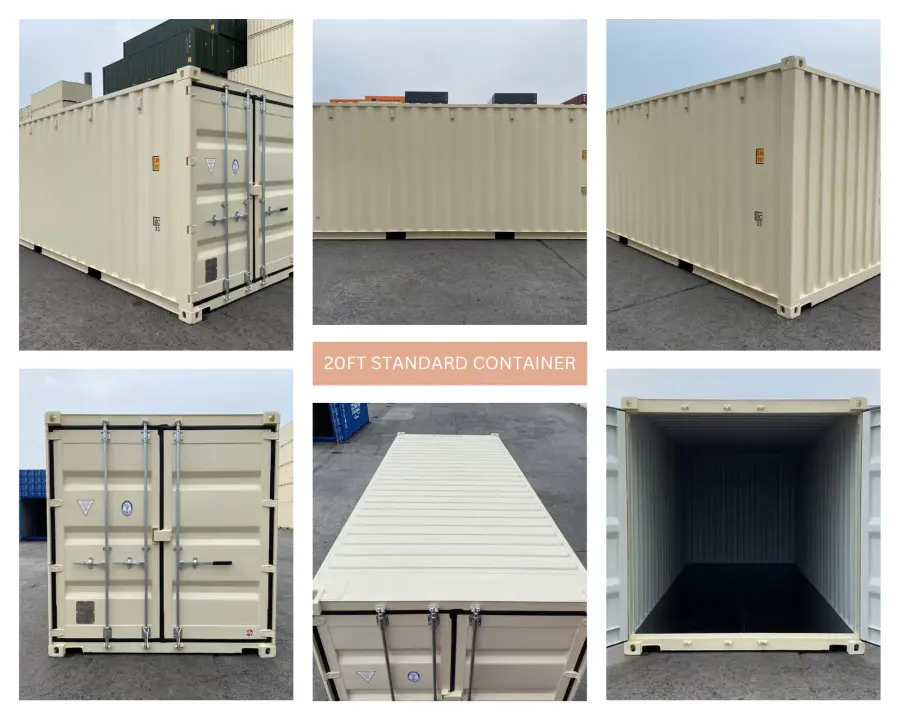
All images are original Four Sons Logistics inventory photos