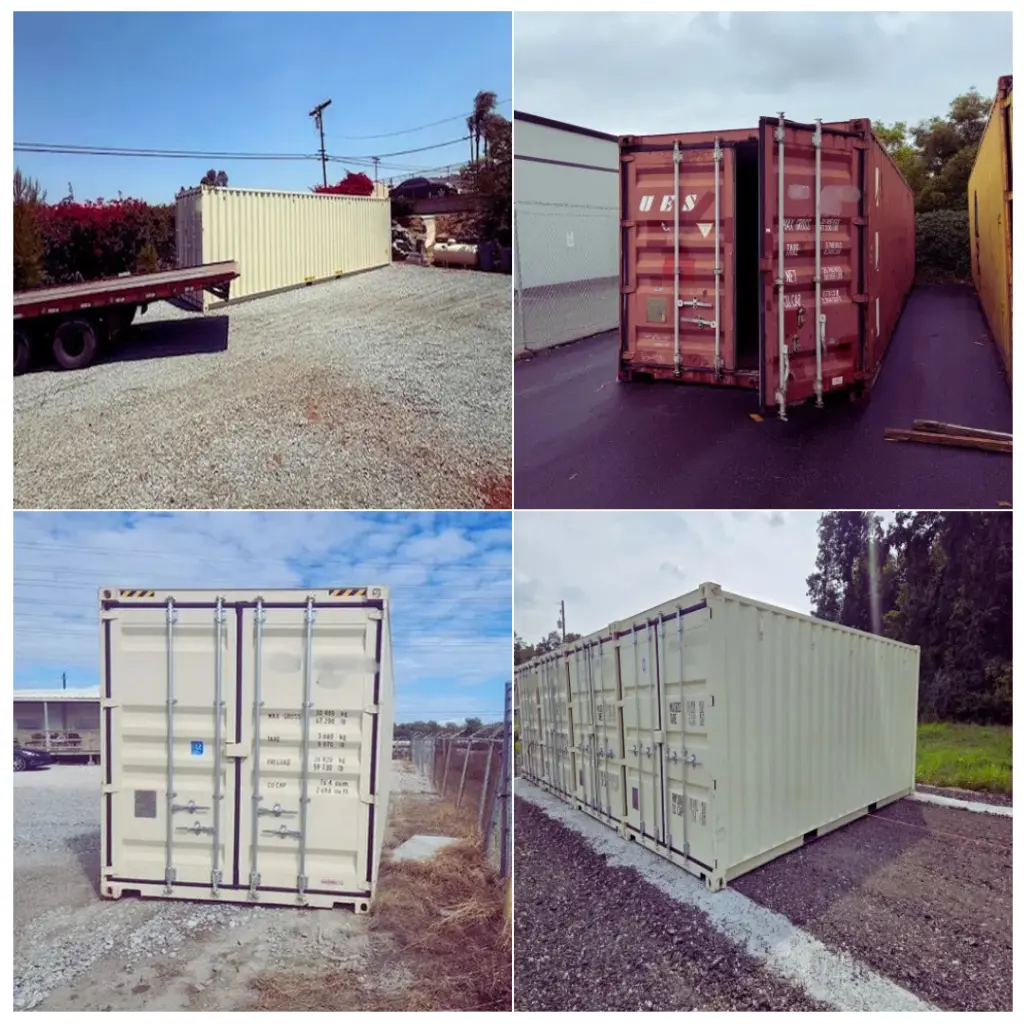
As 2025 progresses, global logistics is being reshaped by a combination of automation, big data, and geopolitical volatility. These forces are affecting ocean freight, air freight, and truckload capacity, creating new challenges for shippers and importers. Supply chain disruptions, tariff impacts, and evolving port fees are driving businesses to rethink logistics strategies. Understanding these trends is essential for making informed decisions around carriers, warehouses, and freight procurement.
Industry analysts predict several trends that will define Q4 2025 and beyond. Increased data collection and analytics are helping companies counter market volatility. Strategic adjustments in trade routes and capacity are shaping global freight patterns, while e-commerce growth drives demand for new and used shipping containers. Companies that align their logistics operations with these trends can reduce costs, mitigate risk, and improve supply chain efficiency.
Key Logistics Trends in 2025
Industry analysts highlight the following trends shaping the logistics landscape:
- • Data-driven decision-making: Advanced analytics help forecast volatility and optimize carrier selection.
- • Strategic trade shifts: Companies adjust trade routes and sourcing strategies to reduce disruption.
- • E-commerce growth: Rising online demand increases need for new and used shipping container solutions.
- • Supply chain resilience: Shippers focus on scenario planning and diversified supplier networks.
These trends influence critical decisions for shippers, including container procurement, freight bookings, and peak season planning.
Ocean Freight: Capacity, Port Fees, and Rate Pressure
Capacity Shifts
- • Blank sailings, carrier consolidation, and new deployments affect trans-Pacific lanes.
- • Overcapacity in some sectors contrasts with tight spots at chokepoints, driving rate volatility.
- • Container repositioning costs influence pricing for both new and used shipping containers.
Port Fees and Tariffs
- • Port fees and tariffs continue to impact global trade costs.
- • Compliance with CBP regulations, USTR rulings, and country-of-origin rules is essential.
- • Shippers are exploring alternative routes, warehouse hubs, and negotiation strategies to reduce landed costs.
Freight Market Dynamics
- • Ocean and air freight markets face episodic volatility and persistent rate pressure.
- • Dynamic procurement strategies and flexible contract clauses help mitigate risk.
- • Carriers like COSCO and OOCL adjust capacity and blank sailings to balance supply-demand gaps.
Warehouse and Supply Chain Strategies
Warehouse Network Optimization
- • Shift toward distributed and bonded networks for peak season efficiency.
- • Automation and WMS enable faster throughput and last-mile fulfillment.
- • Integrated warehouse and freight solutions reduce transfer times and simplify customs compliance.
Supply Chain Resilience
- • Scenario planning addresses geopolitical risk, supplier disruption, and capacity bottlenecks.
- • Cross-functional playbooks combine big data, analytics, and supplier diversification.
- • Proactive engagement with carriers and customs brokers minimizes delays.
Peak Season and LTL Planning
- • Combine LTL and truckload flexibility to handle surges in demand.
- • Use hybrid solutions: consolidated shipments + express air freight for high-priority SKUs.
- • Early commitments and trade lane diversification reduce overcapacity exposure.
Air Freight and International Cargo
Air Freight Demand
- • High demand for time-sensitive goods, with limited international air capacity.
- • Tight capacity drives higher air cargo rates and rapid customs clearance needs.
- • Bundled services (air freight + customs + warehousing) speed end-to-end shipments.
International Air Lanes
- • Trade route adjustments driven by sourcing diversification and tariff impacts.
- • Forwarders and carriers recalibrate capacity across Asia, Europe, and the U.S.
- • Coordination with logistics partners ensures on-time delivery and compliance.
Compliance & CBP Coordination
- • Strict adherence to CBP regulations and security mandates avoids penalties.
- • Pre-clearance and data-driven processes improve throughput and reduce hold-ups.
- • Early engagement with customs brokers ensures smoother clearance and faster delivery.
Technology, Automation, and Data in Logistics
Automation & Robotics
- • Warehouse robotics and automation reduce labor dependency and increase throughput.
- • Integration with WMS/TMS optimizes inventory, picking, and last-mile routing.
- • Supports predictable handling of peak season surges.
Big Data & Analytics
- • IoT devices, port feeds, and tracking systems deliver actionable insights.
- • Predictive maintenance, demand forecasting, and dynamic carrier selection improve efficiency.
- • Informs decisions on new vs. used shipping containers, capacity planning, and rate management.
Digital Freight Platforms
- • Streamline booking, documentation, and shipment tracking across modes.
- • Enable smarter multimodal routing and end-to-end visibility.
- • Facilitate integration of container procurement, storage, and last-mile delivery.
Trade Policy, Geopolitical Risk, and Compliance
Tariff Changes
- • Impact sourcing, trade lanes, and cost structures.
- • Logistics partners help model tariff scenarios and apply mitigation strategies.
Geopolitical Volatility
- • Disruptions affect trans-Pacific routes and carrier scheduling.
- • Companies adopt supplier diversification and contingency planning.
Customs Compliance
- • Accurate documentation and coordination with brokers reduce delays.
- • Trade compliance services provide audit-ready records and responsive support.
Carrier, Trucking, and Last-Mile Trends
Capacity & Contract Management
- • Smart contract negotiation and long-term partnerships improve predictability.
- • Blended contracts across ocean, air, and truck balance cost and flexibility.
Truckload, LTL & Last-Mile
- • Route optimization, real-time visibility, and dock automation enhance speed.
- • Innovations: micro-warehouses, crowd-sourced delivery, predictive ETA tools.
- • Reduce total landed costs and improve customer satisfaction.
Shipment Visibility
- • Real-time tracking enables proactive exception management.
- • IoT and telematics improve data-driven decision-making and on-time delivery.
Container Solutions: New and Used Shipping Containers
Procurement & Sales
- • High demand for secure, cost-effective shipping containers.
- • Strategies consider lifecycle cost, repositioning, and new vs. used options.
- • Bundled services simplify operations and reduce handling.
Used Containers & Repurposing
- • Ideal for storage, modular warehousing, and project-based logistics.
- • Proper inspection, certification, and modification ensure compliance.
- • Supports sustainability goals and reduces new-build demand.
Market Trends
- • Q4 peak season and trade route shifts influence pricing and availability.
- • Flexible leasing, sales, and buyback programs help optimize container fleets.
- • Mixed strategies balance cost, reliability, and operational agility.
Conclusion
Four Sons Logistics specializes in providing high-quality new and used shipping containers for sale, offering secure, cost-effective solutions for storage, onsite use, and container-based projects. We supply a wide range of container sizes and conditions, ensuring buyers can find the right unit for their operational, commercial, or property needs. Our team supports container procurement from selection to delivery, helping customers evaluate TEU availability, container condition, and the best options for long-term or temporary use.
Businesses and property owners benefit from our reliable container delivery services, transparent pricing, and expert guidance throughout the buying process. Whether you need containers for storage, construction, inventory overflow, or business expansion, Four Sons Logistics provides tailored solutions to fit your requirements. Contact Four Sons Logistics today to request a quote and secure dependable, competitively priced shipping containers for your project or storage needs.
___
Featured image credit: Venti Views on Unsplash