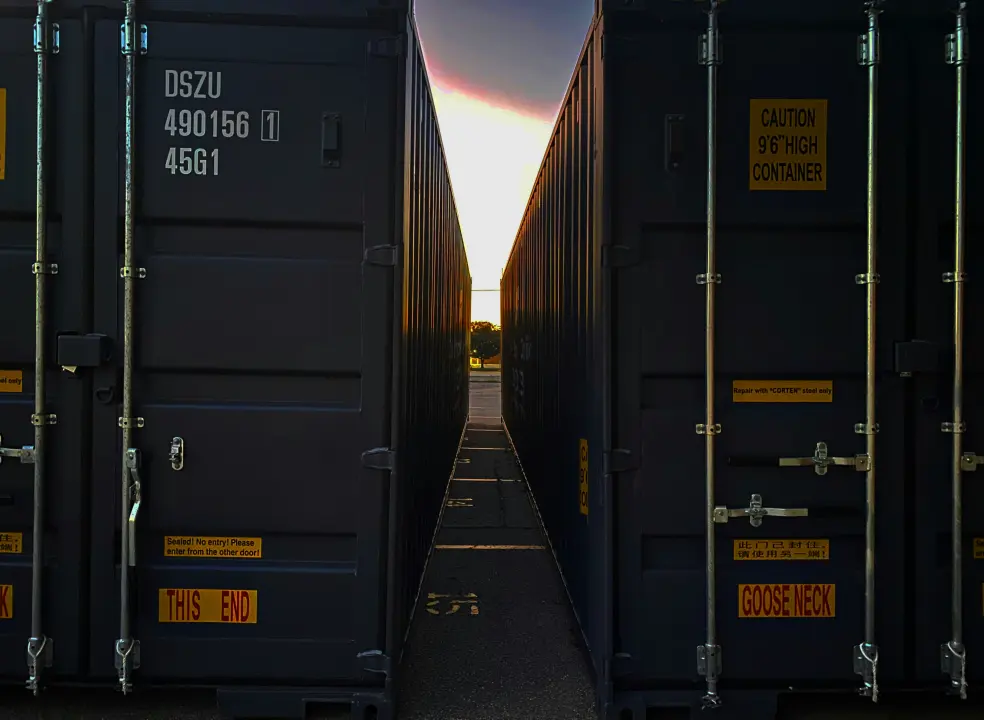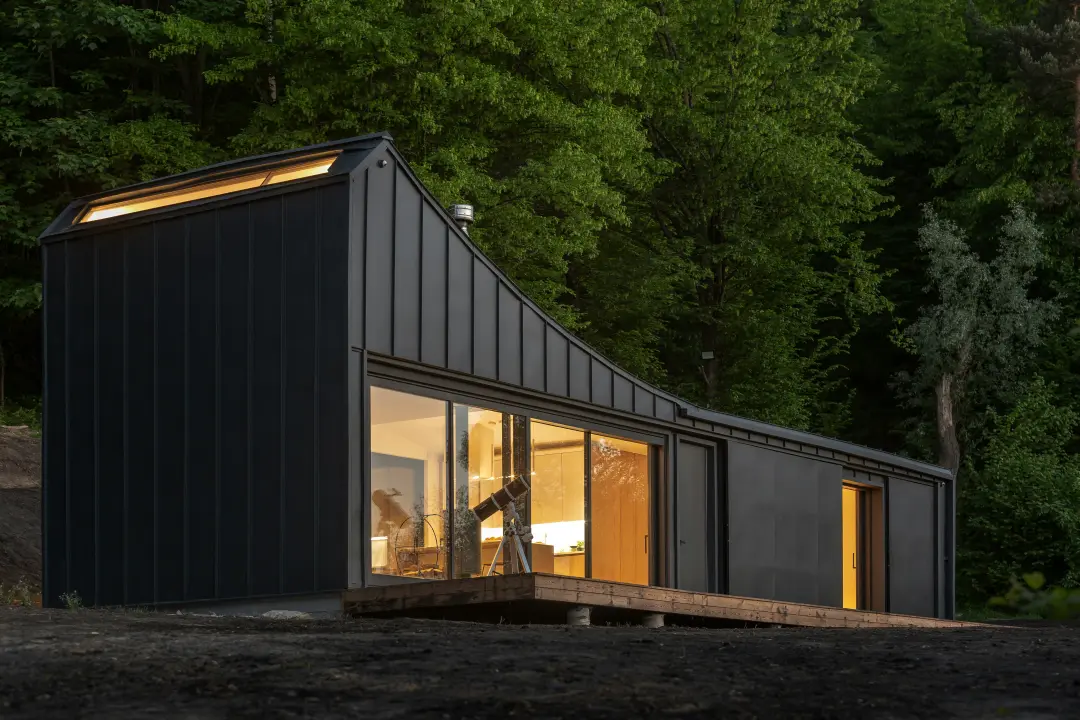
Shipping container homes have become an increasingly popular housing option across the United States, offering durability, affordability, and modern design flexibility. Whether you’re building a compact tiny home or a multi-container residence, safety should be one of your highest priorities from the very beginning of the project.
Although shipping containers are constructed from Corten steel—a material known for its strength and corrosion resistance—they are not automatically fireproof. Steel conducts heat rapidly and can lose structural strength when exposed to prolonged high temperatures. Creating a fire-safe container home requires thoughtful planning, fire-resistant materials, proper insulation, code-compliant construction, and well-designed fire protection systems.
This guide explains how to improve the fire performance of a shipping container home, select the right building materials, comply with U.S. building codes, and create a safer living environment for your family.
Are Shipping Container Homes Fire Safe?
One of the most common questions prospective homeowners ask is whether shipping container homes are safe in the event of a fire.
The answer depends less on the container itself and more on how the home is designed and constructed.
Shipping containers are manufactured from Corten steel, which is non-combustible and highly durable. Unlike wood framing, steel will not ignite during a fire. However, steel rapidly transfers heat and begins to lose strength when exposed to extremely high temperatures.
For this reason, a container home’s overall fire performance depends on the complete building assembly, including:
- • Interior wall systems
- • Insulation
- • Exterior cladding
- • Fire-rated doors and windows
- • Structural reinforcements
- • Passive and active fire protection systems
A properly engineered container house can meet or exceed many residential fire safety standards when built in accordance with local building codes.
Pro Tip: Think of the shipping container as the structural shell—not the finished home. Fire safety comes from the complete construction system, not the steel alone.
Build Fire Resistance into the Design
Fire safety is far easier—and less expensive—to achieve during the design stage than after construction has begun.
Working with an architect and structural engineer early in the project allows fire protection measures to be incorporated into the home’s layout before permits are submitted.
Your construction plans should clearly identify:
- • Fire-rated wall assemblies
- • Roof and ceiling construction
- • Floor systems
- • Insulation specifications
- • HVAC layout
- • Electrical routing
- • Emergency exits
- • Smoke detector locations
- • Sprinkler system requirements (where applicable)
Providing detailed plans also helps local building officials review your project more efficiently, reducing permit delays and costly redesigns.
Choose Fire-Resistant Building Materials
The materials you select will have a significant impact on the home’s ability to resist fire.
Rather than relying solely on the steel container, use materials that have been tested as part of fire-rated building assemblies.
Recommended materials include:
Fire-Rated Gypsum Board
Type X drywall slows the spread of fire and provides additional protection for structural framing and insulation. It is commonly required by residential building codes in areas where fire separation is necessary.
Cement Board
Cement board offers excellent heat resistance and is commonly used around fireplaces, kitchens, utility rooms, and exterior wall assemblies.
Stone, Brick, and Masonry Veneers
Non-combustible exterior finishes provide an additional layer of protection while improving the home’s durability and appearance.
Fire-Rated Doors and Windows
Doors, glazing systems, and hardware should meet the fire-rating requirements established by your local building department, particularly for attached garages, utility spaces, and wildfire-prone regions.
Selecting certified products simplifies inspections and helps ensure your project complies with local regulations.
Selecting the Right Insulation
Insulation is one of the most important decisions you’ll make when designing a fire-resistant container home.
While insulation improves energy efficiency and comfort, it also affects how the home performs during a fire.
Rock Wool (Mineral Wool)
Rock wool is widely considered one of the best insulation materials for container homes because it combines excellent thermal performance with outstanding fire resistance.
Benefits include:
- • Non-combustible material
- • Withstands extremely high temperatures
- • Excellent sound insulation
- • Moisture resistant
- • Does not support mold growth
Because mineral wool maintains its integrity during fire exposure, it helps slow the spread of flames and protects structural components for a longer period.
Spray Foam Insulation
Spray foam provides outstanding air sealing and energy efficiency, making it a popular choice for container homes.
However, homeowners should understand that spray foam is combustible unless protected by an approved thermal barrier, such as gypsum board.
If spray foam is selected, ensure the entire wall assembly complies with local building code requirements.
Professional Tip: Many builders combine mineral wool with fire-rated drywall to achieve both excellent insulation and improved fire performance.
Protect Steel from Extreme Heat
Although steel will not burn, it weakens significantly when exposed to prolonged heat.
If your design includes exposed structural steel, consider passive fire protection systems such as:
- • Intumescent coatings
- • Cementitious fireproofing
- • Fire-resistant board systems
- • Encasement assemblies
These products slow heat transfer and extend the amount of time structural elements can withstand fire before losing strength.
This additional protection can provide valuable evacuation time and reduce structural damage during a fire.
Design for Wildfire Resistance
If you’re building in wildfire-prone areas such as California, Colorado, Arizona, or parts of the Pacific Northwest, wildfire-resistant construction should be part of your design strategy.
Important considerations include:
- • Non-combustible exterior cladding
- • Ember-resistant attic and crawlspace vents
- • Fire-resistant roofing materials
- • Tempered glass windows
- • Defensible landscaping around the home
These measures reduce the likelihood of airborne embers igniting vulnerable areas around the structure and may also help satisfy local wildfire regulations.
Fire Protection Systems Every Container Home Should Have
While choosing fire-resistant building materials is essential, active fire protection systems provide another critical layer of safety. These systems help detect, contain, and suppress fires before they become life-threatening.
A well-designed container house should incorporate both passive and active fire protection measures to maximize occupant safety.
Install Smoke and Carbon Monoxide Detectors
Early warning is one of the most effective ways to reduce injuries and property damage during a fire.
Install interconnected smoke detectors in:
- • Every bedroom
- • Hallways
- • Living areas
- • Utility rooms
- • Each level of the home
Carbon monoxide (CO) detectors should also be installed near sleeping areas and any room containing fuel-burning appliances.
Modern interconnected systems ensure that when one detector activates, every alarm in the home sounds simultaneously, giving occupants more time to evacuate.
Pro Tip: Choose detectors with sealed 10-year batteries or connect them to your home’s electrical system with battery backup for maximum reliability.
Consider a Residential Sprinkler System
Although not every jurisdiction requires residential fire sprinklers, they can dramatically improve life safety and reduce property damage.
Sprinkler systems:
- • Suppress fires before they spread
- • Reduce temperatures quickly
- • Protect structural components
- • Increase evacuation time
- • Lower the risk of total property loss
This additional protection is especially valuable in compact container homes, where heat and smoke can spread more rapidly than in larger conventional houses.
If you’re building multiple connected containers or a larger residence, discuss sprinkler requirements with your architect and local building department early in the design process.
Plan Safe Emergency Exits
Every home needs multiple ways to exit safely during an emergency.
When designing a shipping container home, ensure:
- • Bedrooms have code-compliant emergency escape windows.
- • Hallways remain clear and unobstructed.
- • Exterior doors swing freely without obstruction.
- • Stairways meet local code requirements.
- • Emergency lighting is provided where appropriate.
Furniture placement should never block escape routes or windows.
Remember that fire safety isn’t just about preventing fires—it’s also about ensuring everyone can leave the home quickly if one occurs.
Improve Ventilation Without Compromising Fire Safety
Proper ventilation is essential for comfort, energy efficiency, and moisture control. However, poorly designed ventilation systems can also create pathways for smoke and fire to spread.
A well-planned HVAC system should balance airflow with fire protection.
Consider incorporating:
- • Fire dampers where required
- • Properly sealed duct penetrations
- • Smoke control strategies
- • Fresh-air ventilation systems
- • Mechanical exhaust for kitchens and bathrooms
Reducing indoor moisture also helps prevent condensation, corrosion, and mold growth—common concerns in steel structures.
Working with an experienced HVAC contractor ensures the system complies with local building regulations while maintaining healthy indoor air quality.
Meet Local Fire and Building Codes
One of the biggest mistakes container home builders make is assuming the same rules apply everywhere.
Building regulations vary significantly between states, counties, and municipalities.
Before construction begins, confirm which codes apply to your project.
These may include:
- • International Residential Code (IRC)
- • International Building Code (IBC)
- • International Fire Code (IFC)
- • State amendments
- • Local zoning ordinances
- • Wildfire-specific regulations
Many jurisdictions also require engineering documentation demonstrating that structural modifications maintain the container’s integrity after windows, doors, or large openings are cut.
Submitting complete plans early in the approval process often shortens permit review times and minimizes costly revisions.
Designing Fire-Rated Wall Assemblies
A fire-resistant container home depends on more than the steel shell.
The complete wall assembly—including insulation, framing, drywall, and finishes—must work together to provide adequate fire performance.
Typical fire-rated assemblies may include:
- • Steel framing
- • Mineral wool insulation
- • Type X gypsum board
- • Fire-resistant sealants
- • Properly rated fasteners
- • Fire-rated doors and glazing
Using tested and approved assemblies simplifies inspections and provides greater confidence that the home will perform as intended during a fire.
Avoid mixing products that haven’t been tested together, as this may compromise the assembly’s overall fire rating.
Building in Wildfire-Prone Areas
If your project is located in areas vulnerable to wildfires, additional design considerations become essential.
Modern wildfire-resistant construction focuses on preventing embers from igniting vulnerable parts of the home.
Recommended upgrades include:
- • Ember-resistant foundation vents
- • Tempered glass windows
- • Non-combustible exterior siding
- • Fire-resistant roofing materials
- • Metal gutters with leaf protection
- • Covered soffits
- • Defensible landscaping around the structure
Regular maintenance is equally important.
Keep roofs, gutters, and surrounding vegetation free of dry leaves, pine needles, and other combustible debris that can ignite from airborne embers.
Professional Tip: Creating a defensible space around your home can significantly reduce wildfire risk and may also improve eligibility for homeowners insurance in high-risk regions.
Work With Qualified Professionals
Building a safe container home requires collaboration among experienced professionals.
Depending on your project, your team may include:
- • Architect
- • Structural engineer
- • Mechanical engineer
- • HVAC contractor
- • Electrician
- • Licensed plumber
- • General contractor
- • Building inspector
Each professional plays an important role in ensuring the home meets structural, electrical, mechanical, and fire safety requirements.
Although hiring experienced specialists increases upfront costs, it often saves money by preventing design errors, failed inspections, and expensive rework later in the project.
Choosing the Right Shipping Container for a Fire-Safe Home
The quality of the shipping container you choose plays an important role in the long-term safety and durability of your home. While fire protection comes primarily from the building systems you install, starting with a structurally sound container helps ensure the entire project performs as intended.
Should You Buy a New or Used Shipping Container?
Both new and used shipping containers can be excellent choices, but each offers different advantages.
New (One-Trip) Containers
A new or one-trip container is ideal if you want the best possible condition.
Benefits include:
- • Minimal wear and tear
- • Clean interior with little or no previous cargo residue
- • Fewer dents and surface imperfections
- • Longer expected service life
- • Easier conversion into a residential structure
Although they cost more upfront, new containers often reduce repair and preparation costs during construction.
Used Shipping Containers
Used containers can significantly lower your initial investment and are suitable for many residential projects.
Before purchasing, carefully inspect the container for:
- • Excessive corrosion
- • Structural damage
- • Roof dents or standing water damage
- • Floor condition
- • Door alignment and seals
- • Previous modifications
- • Evidence of chemical contamination
A reputable supplier should be able to provide information about the container’s condition, history, and delivery options.
Professional Tip: Always inspect the container in person whenever possible, or request detailed photos and inspection reports before making a purchase.
Fire Safety Inspection Checklist
Before construction begins, verify that your project includes the following fire safety considerations:
- Fire-rated wall assemblies
- Non-combustible insulation where appropriate
- Fire-rated drywall or cement board
- Properly designed emergency exits
- Smoke and carbon monoxide detectors
- Residential sprinkler system (where required)
- Fire-resistant exterior finishes
- Ember-resistant vents in wildfire-prone regions
- Proper HVAC design and fire dampers
- Approved electrical installation
- Code-compliant wiring penetrations
- Local permit approvals
- Structural engineering documentation
Reviewing this checklist during the planning phase can help prevent costly corrections after construction has started.
Conclusion
Shipping container homes offer an innovative and durable housing solution, but their long-term safety depends on thoughtful planning and quality construction. While the steel shell provides an exceptionally strong starting point, true fire resistance comes from the complete building system—including fire-rated assemblies, non-combustible insulation, proper ventilation, code-compliant electrical work, and carefully designed fire protection measures.
Working with experienced architects, engineers, contractors, and reputable container suppliers helps ensure your project meets local building codes while providing a safe and comfortable home for years to come.
Whether you’re building a compact backyard dwelling or a multi-container family residence, investing in fire-resistant materials and professional design from the beginning can reduce risk, simplify inspections, and protect both your property and your loved ones.
Build Your Container Home with Confidence
At Four Sons Logistics, we supply high-quality new and used shipping containers for residential and commercial conversion projects throughout the United States, Canada, Australia, and New Zealand. Whether you’re looking for a one-trip high-cube container or a cost-effective used unit, our team can help you choose the right container for your build.
We also provide reliable delivery and knowledgeable guidance to help you begin your project with confidence.
Contact Four Sons Logistics today for a personalized quote and discover the right shipping container for your fire-safe container home project.
Frequently Asked Questions
Are shipping container homes fireproof?
No. Shipping containers are made from non-combustible Corten steel, but no home is completely fireproof. A container home’s fire performance depends on the complete building system, including insulation, wall assemblies, fire-rated materials, and active fire protection systems.
What insulation is best for a fire-resistant container home?
Mineral wool (rock wool) is one of the most popular choices because it is non-combustible, withstands very high temperatures, and provides excellent thermal and acoustic performance.
Do shipping container homes require sprinklers?
Requirements vary by state and local jurisdiction. Some municipalities require residential sprinkler systems, while others do not. Always consult your local building department during the planning stage.
Are used shipping containers safe for homes?
Yes—provided they are structurally sound and thoroughly inspected before conversion. Look for excessive corrosion, structural damage, contamination, and previous modifications that may affect the home’s safety or durability.
Do container homes have to meet the same fire codes as traditional houses?
Yes. In most jurisdictions, container homes must comply with the same residential building and fire codes as conventional homes, along with any local amendments or wildfire-specific regulations.
___
Featured image credit: Yaryna Bakhovska on Unsplash