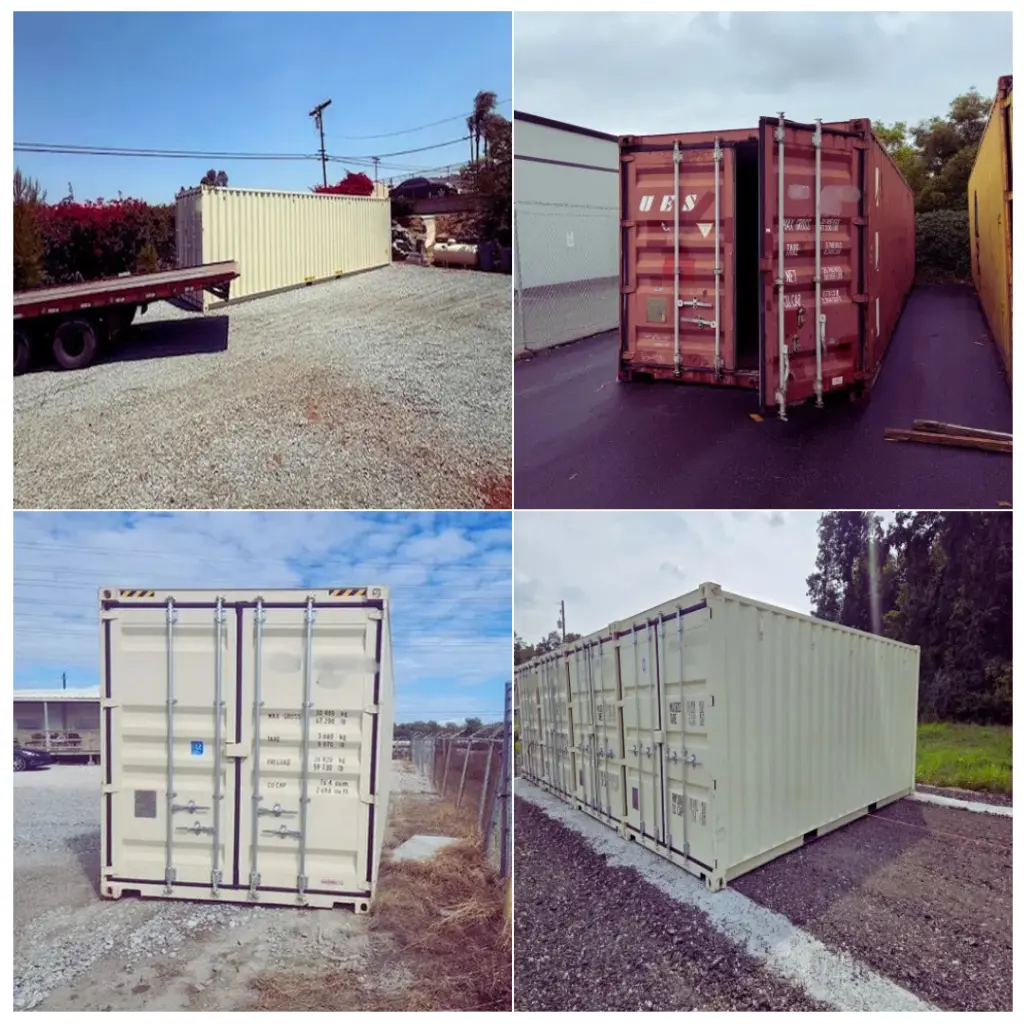
Choosing the right shipping container size starts with understanding how container dimensions, capacity, and condition match your storage, transport, or construction needs. Whether you’re comparing shipping containers for sale, used shipping containers, or new vs. used container options, knowing the differences between standard containers, high cube containers, 20-foot containers, and 40-foot containers will help you avoid unnecessary costs and delays.
This simple guide explains standard shipping container sizes, high cube container dimensions, specialized container types, and long-tail search terms such as how to place a shipping container on your property, how much space you need for a shipping container, and best container sizes for container homes. By the end, you’ll know exactly which container size fits your project.
Shipping Container Sizes: How to Choose the Right Container for Your Needs
Standard Shipping Container Sizes (20ft and 40ft)
The most common shipping container sizes are the 20ft shipping container and the 40ft shipping container, each built with standardized ISO shipping container dimensions.
- • 20ft containers are ideal for small moves, equipment storage, and residential placement.
- • 40ft containers and 40ft high cube containers offer significantly more cubic capacity for large shipments, bulk storage, and container home builds.
When comparing new and used shipping containers, always check:
- • Internal dimensions
- • Door opening width and height
- • Flooring condition
- • Structural integrity
- • ISO/cargo-worthy certifications (if shipping internationally)
These details ensure your cargo fits safely and the container meets your transportation or conversion requirements.
High Cube Containers (HC): Extra Height for More Space
A high cube shipping container adds about 1 extra foot of interior height, making it perfect for:
- • Taller cargo
- • Bulky palletized freight
- • Container homes with lofts
- • Storage requiring extra vertical space
- • Light industrial or workshop conversions
A 40ft high cube container is one of the most popular choices for container homes and container offices because the added height increases comfort and layout flexibility.
When comparing standard vs. high cube containers, consider:
- • Price differences (HCs often cost more due to higher demand)
- • Availability in your area
- • Delivery logistics (high cubes may require additional clearance)
20-Foot Shipping Containers: Best for Storage and Easy Placement
The 20ft shipping container remains a top choice for both homeowners and businesses because it is:
- • Easier to maneuver on tight properties
- • Cheaper to transport
- • Strong enough for stacking
- • Ideal for on-site storage, jobsite equipment, or small container home build
- Before delivery, prepare your site by:
- • Ensuring truck access
- • Leveling the ground
- • Measuring gate or driveway width
- • Adding gravel pads or concrete footings (optional but recommended)
A prepared site prevents settling, moisture issues, and door alignment problems.
Shipping Container Measurements: Understanding Dimensions and Capacity
Shipping container dimensions vary slightly by manufacturer, but standard external dimensions include:
Standard 20ft Container Dimensions
- • Exterior: 20’ L × 8’ W × 8.5’ H
- • Interior: ~19’4” L × 7’8” W × 7’10” H
Standard 40ft Container Dimensions
- • Exterior: 40’ L × 8’ W × 8.5’ H
- • Interior: ~39’5” L × 7’8” W × 7’10” H
40ft High Cube Container Dimensions
- • Exterior: 40’ L × 8’ W × 9.5’ H
- • Interior height: ~8’10”
When comparing containers, match cargo size, pallet height, and storage requirements with internal measurements. Accurate sizing prevents wasted space and reduces freight costs.
Container Types: Standard, High Cube, Reefer, Open-Top, Flat Rack & More
Understanding container types helps you select the right model for your project.
1. Dry Standard Containers
- • Most common
- • Best for general storage, shipping, and conversion
- • Available in 20ft and 40ft sizes
2. High Cube Containers
- • Extra height
- • Popular for container homes, warehouse storage, and tall equipment
3. Refrigerated Containers (Reefers)
- • Temperature-controlled
- • Best for food, medical supplies, or climate-sensitive products
4. Open-Top Containers
- • Loadable by crane
- • Suitable for oversized cargo
5. Flat Rack Containers
- • No walls
- • Ideal for machinery, vehicles, and industrial equipment
When buying, always request:
- • Condition photos
- • Container grade (WWT, Cargo-worthy, One-trip, As-is)
- • Certification if required for international shipping
Buying Shipping Containers: New vs. Used
Shipping Containers for Sale: How to Compare Options
To find the best container for your budget and project:
- • Compare multiple container suppliers
- • Review delivery fees and service areas
- • Check for rust, dents, and flooring issues
- • Ask about warranties and certifications
Used containers save money, but new containers (“one-trip containers”) offer:
- • Better structural integrity
- • Cleaner interiors
- • Longer lifespan
- • Fewer repairs long-term
Choose based on your intended use, budget, and expected lifespan.
Used Shipping Containers: Cost-Saving but Needs Inspection
Used containers are great for:
- • Jobsite storage
- • Farm equipment storage
- • Extra warehouse space
- • Prototype container home builds
Before buying a used container, ask for:
- • History of previous cargo
- • Fumigation details
- • Certification (CW or WWT)
- • Current condition and any required repairs
Placing a Shipping Container on Your Property: Permits, Site Prep & Practical Tips
Placing a container on your property requires basic planning:
1. Check Local Regulations
Some cities require:
- • Zoning approvals
- • Temporary use permits
- • Placement distance from property lines
2. Prepare the Ground
Recommended base options:
- • Gravel pad
- • Concrete blocks
- • Full concrete slab
- • Steel piers
3. Consider Add-Ons
For storage or container homes:
- • Ventilation
- • Shelving
- • Electrical installation
- • Insulation
- • Lockboxes for security
- • Windows and doors (for conversions)
Planning ahead prevents future structural and moisture problems.
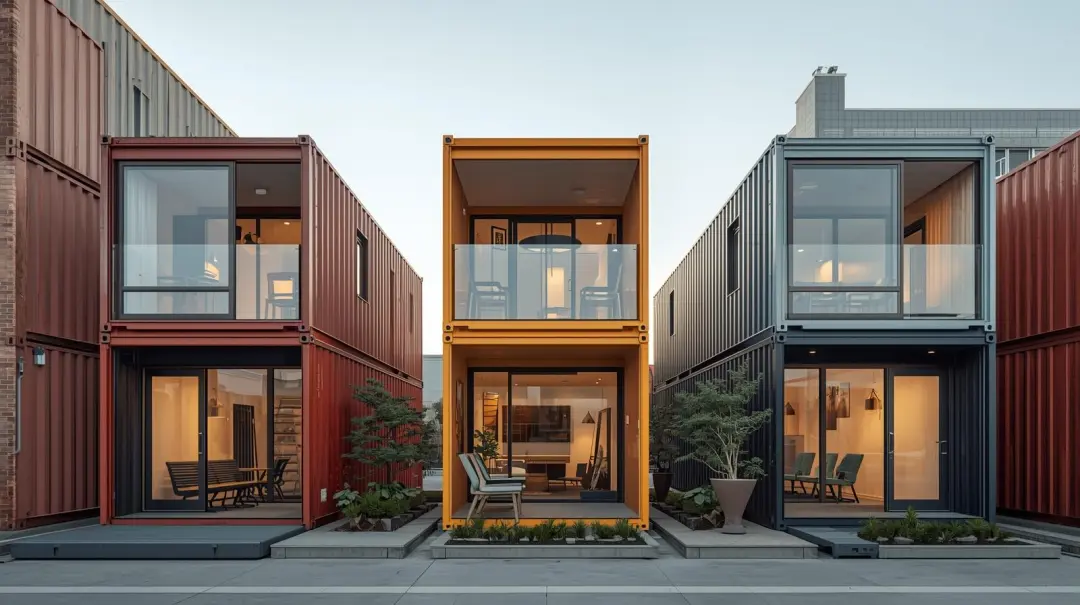
Container Homes: Choosing the Best Containers for Construction
For building a container home, the most popular units are:
- • 40ft high cube containers (best for layout flexibility and headroom)
- • 20ft containers (excellent for modular layouts)
High cube containers offer better:
- • Insulation clearance
- • Aesthetic interior height
- • Space for lofts or mezzanines
Always work with professional fabricators to ensure:
- • Proper structural modifications
- • Reinforced openings
- • Electrical and plumbing code compliance
- • Correct permitting
Conclusion
Four Sons Logistics offers a full range of shipping containers for sale, including used, new, high cube, 20-foot, 40-foot, and specialized containers for unique cargo. We provide fast delivery, professional placement, and expert guidance to help you select the right container size for storage, transport, or container home projects.
Whether you need a standard container, high cube shipping container, or a customized solution, our team ensures your container arrives safely and meets your specific needs. Get a quote today and let Four Sons Logistics help you find the perfect shipping container for your property or project.
___
Featured image credit: Teng Yuhong on Unsplash