Discover inspiring design ideas for homes built from shipping containers—from cozy single 40-foot cabins to modern multi-container residences with large windows and seamless indoor-outdoor living. Whether you’re looking for new or used shipping containers for sale, these examples showcase modular construction, minimalist interiors, and smart container home floor plans that create comfortable, functional living spaces while meeting local building codes.
This guide walks you through everything you need to know to plan and build a container home. You’ll learn interior design ideas, creative floor plans, and practical building tips, including how to stack and combine containers, maximize natural light, and make the most of modular layouts. Plus, we share insights to help with research, planning, and ensuring compliance with local building codes, so your container home project runs smoothly from start to finish.
Container Home Design Ideas for Cozy and Spacious Living
Container Home Design
Container home design blends industrial steel structures with warm interior elements to create homes that feel modern and inviting. Large windows and open floor plans enhance natural light and help compact spaces feel larger. Modular furniture and minimalist design maximize living space and storage, making container homes both functional and comfortable. Many designs repurpose shipping containers into efficient dwellings that meet local building codes.
Container Home Floor Plans
Container home floor plans range from compact layouts using a single 20-foot shipping container to expansive multi-container homes with open living areas and multiple bedrooms. Popular designs include stacking containers to create lofted spaces and combining units for wider floor plans and future expansion. Clear floor plans support building code compliance and simplify coordination with contractors and local building departments. Searches like “container home floor plans for two containers with a loft” are especially useful during early planning.
Container Home Ideas
A container home can start as a simple single-container cabin or scale into a modern residence built with 40-foot containers for added space and storage. Homeowners may pursue DIY container projects or work with professionals experienced in container construction and shipping container architecture. Interior design choices that prioritize natural light, neutral color palettes, and multifunctional furniture help create a cozy, livable atmosphere. Always confirm permits and local building codes before construction begins.
Shipping Container House Innovations and Modular Options
Shipping Container Houses
Shipping container house projects showcase the modular nature of steel containers, allowing designs to scale from tiny homes to multi-container residences and even planned communities. Modern shipping container architecture often features stacked or cantilevered containers to add visual interest and outdoor living areas. Proven construction methods ensure structural integrity when cutting openings or joining containers. Choosing new versus used shipping containers affects cost, appearance, and long-term durability.
Modular Container Homes
Modular container homes streamline construction timelines and reduce material waste by using prefabricated units assembled on site. Shipping containers for sale serve as the primary structure, making modular builds appealing for predictable budgets and schedules. Modular floor plans can expand over time by adding containers, provided each design accounts for transport, foundations, insulation, and local building code requirements. Long-tail searches like “modular container homes for sale with delivery” help buyers find qualified suppliers.
Stacking Containers
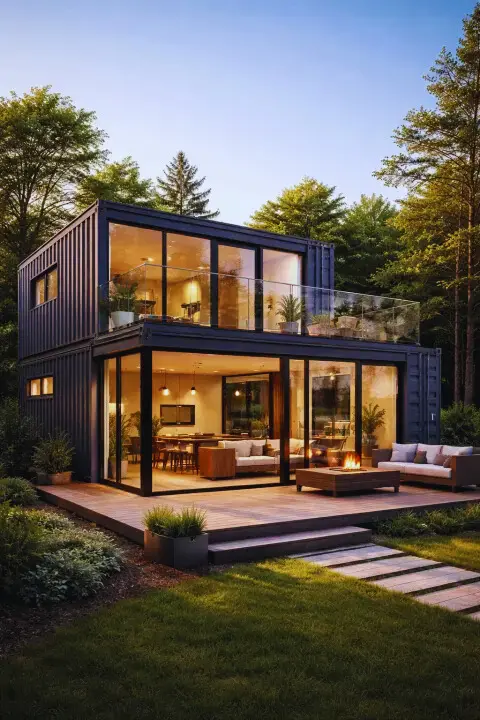
Stacking containers maximizes vertical space while maintaining a smaller building footprint. This approach supports multi-level living areas, rooftop decks, and improved views. Structural reinforcement and proper welding are essential, especially for multi-story container homes. Stacked designs also enable creative interiors, including lofts, mezzanines, and double-height living spaces. All plans should comply with local building codes and be reviewed by experienced engineers.
Practical Design, Construction, and Interior Considerations
Interior Design
Interior design for container homes focuses on space efficiency through smart storage, compact kitchens, and well-placed windows that invite natural light. Moisture-resistant materials and durable finishes help control condensation and improve comfort in steel structures. Minimalist furnishings and multifunctional elements maintain an open feel, even in smaller layouts. Interior choices should align with the selected floor plan and construction method.
Container Construction
Container construction involves skilled fabrication, including cutting, welding, insulation, and finishing, to convert steel containers into livable homes. Proper insulation, ventilation, and waterproofing are critical for comfort across different climates. Contractors must follow applicable building codes and coordinate with local authorities for permits and inspections. Searches such as “used shipping containers for conversion” or “new and used shipping container suppliers” help source suitable materials.
Interior Design Ideas
Interior design ideas for container homes emphasize natural light, open-plan layouts, and neutral color schemes to create cohesive interiors. Built-in storage and convertible furniture improve functionality in compact floor plans. Skylights, clerestory windows, and patio doors strengthen indoor-outdoor connections. Long-tail phrases like “container home interior design ideas for tiny homes with full kitchen” help uncover targeted inspiration.
Design Possibilities with Two or Multiple Containers
Two-Container Homes
Using two containers enables flexible layouts, such as side-by-side living and dining spaces or offset stacking that creates sheltered patios. Two-container homes often separate living and sleeping zones or include a dedicated home office. This design balances compactness with functionality and allows for future expansion. Structural changes should meet load-bearing standards and local building codes.
Multiple-Container Homes
Combining multiple containers allows for larger homes with defined areas for bedrooms, living spaces, offices, and guest suites. Designers may use three containers for L-shaped layouts or stack units for multi-story homes. This flexibility supports customized designs that adapt to family needs and site conditions. Planning utilities, insulation, and foundations early helps ensure compliance with local regulations.
Stacked Container Designs
Stacked container homes offer vertical expansion and bold architectural features such as cantilevered levels and rooftop terraces. Structural engineering is essential when cutting and joining containers at stacked connections. Many designs balance exposed steel with warm interior finishes to create modern yet comfortable spaces. Always consult engineers and verify local building code compliance before construction.
Inspiring Examples, Design Trends, and Buying Tips
Design Ideas
Container home design ideas range from minimalist micro-homes to spacious modern residences with open kitchens, large windows, and landscaped outdoor areas. Popular concepts include decks between containers, lofted bedrooms in stacked layouts, and wide floor plans using 40-foot containers. Sustainable features such as repurposed containers and energy-efficient systems help lower long-term costs. Searches like “eco-friendly container home design ideas with solar panels” provide green inspiration.
Shipping Containers for Sale and Used Shipping Containers
When sourcing shipping containers for sale, compare new and used options to balance cost and condition. Used shipping containers often reduce upfront expenses, while new containers provide pristine structures for conversion. Inspect containers for rust, damage, and prior modifications, and confirm size requirements. Reputable suppliers offer delivery, inspection details, and guidance on container grades. Queries such as “where to buy used 40ft containers near me with delivery” help identify reliable vendors.
Building Codes and Local Regulations
Understanding building code requirements is essential when building a container home to ensure safety, insurability, and legal occupancy. Early coordination with architects and local building departments helps align designs with permit requirements and prevents costly revisions. Some regions have specific rules for modular or alternative housing, making research critical. Builders experienced in shipping container architecture can simplify inspections and approvals.
Four Sons Logistics Products, Delivery, and Next Steps
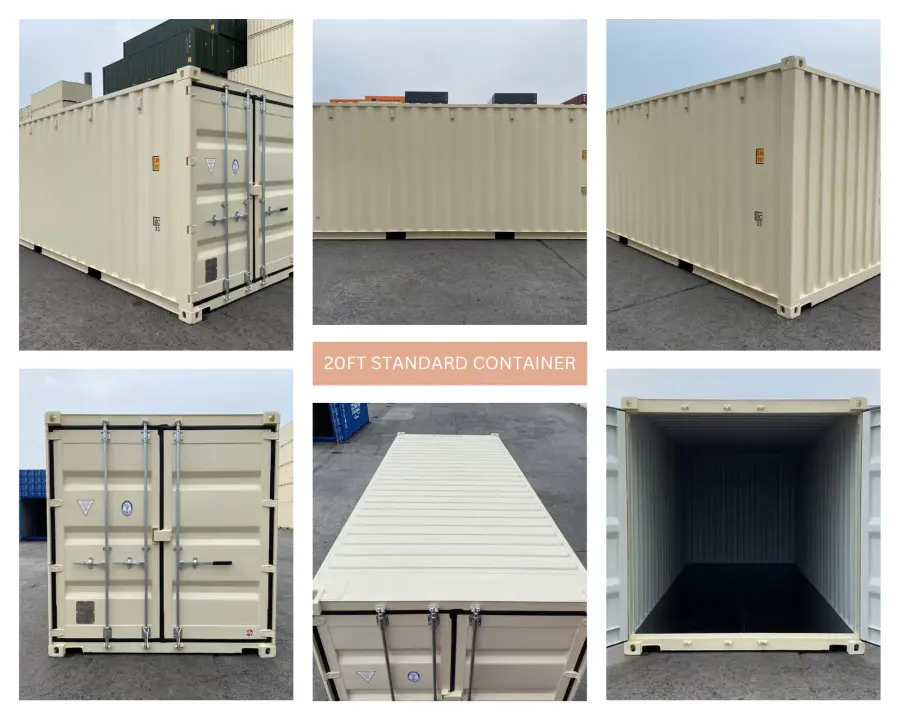
Ready to start your container living journey? Four Sons Logistics offers a wide selection of new and used shipping containers, including 20-foot and 40-foot options, to support container home design, container house conversions, storage solutions, and modular construction projects. With reliable regional and long-distance delivery, our team helps ensure your containers arrive on time and ready for your build.
Whether you’re searching for shipping containers for sale, used shipping containers, or expert guidance for your container home project, Four Sons Logistics provides quality inventory, dependable logistics, and knowledgeable support every step of the way. Request a quote today to explore modular options, floor plans, and service availability in your area.
Shipping Container Home FAQs: Design, Cost, and Floor Plans
What is a shipping container home?
A shipping container home is a residence built from repurposed steel shipping containers. These homes can be single-container cabins or multi-container modular structures, offering a cost-effective, sustainable, and flexible housing solution. Modern designs often include large windows, open floor plans, and stacked or cantilevered layouts.
How much does it cost to build a container home?
The cost of a container home depends on the number of containers, size, condition (new or used), interior finishes, and location. On average, a single 20–40ft container cabin can range from $15,000 to $50,000, while multi-container homes with modern interiors can cost $100,000 or more. Shipping, permits, and construction fees should also be considered.
Can you stack shipping containers for a multi-level home?
Yes! Stacking containers is a common method to create multi-level homes, roof decks, or lofted spaces. Structural reinforcement, welding, and proper engineering are essential to ensure safety. Stacked designs can be combined with modular layouts to maximize space and outdoor living areas.
Do container homes meet local building codes?
When designed and built correctly, container homes can meet local building codes, including structural, electrical, plumbing, and fire safety requirements. It’s important to consult local building departments, hire experienced contractors, and secure the necessary permits before starting construction.
Where can I buy shipping containers for a home project?
You can purchase new or used shipping containers from suppliers like Four Sons Logistics, who offer delivery and inspection services. Used containers often provide cost savings, while new containers ensure a pristine structure for conversion. Choose the container size, grade, and condition based on your floor plan and design needs.
___
Featured image generated with AI for illustrative purposes.