The lifecycle of a shipping container—from port arrival to becoming a repurposed storage unit or modular living space—is a story of rugged design, global trade logistics, and practical reuse. Whether you’re researching shipping containers for sale, comparing used shipping containers, or considering new and one-trip containers, understanding each phase—from international shipping and freight handling to depot refurbishment—helps you choose the right container size and condition for your project.
Containers are built to withstand the rigors of ocean freight, stacked on ships, and transported by truck or rail before arriving at a depot or final property for unloading and inspection. Their full lifecycle includes transit, active use, potential refurbishment and repair to maintain structural integrity, and eventual repurposing as container offices, storage units, or custom modular builds—making container solutions both cost-effective and sustainable in modern container markets.
What Is the Lifecycle of a Shipping Container?
The lifecycle of a shipping container begins with international freight transport, followed by port unloading, inspection, depot storage, resale or rental, and eventual repurposing for storage, offices, or modular construction. Proper maintenance and refurbishment extend its lifespan and improve structural integrity for long-term use.
Step-by-Step Shipping Container Journey
Port Arrival and Cargo Unloading
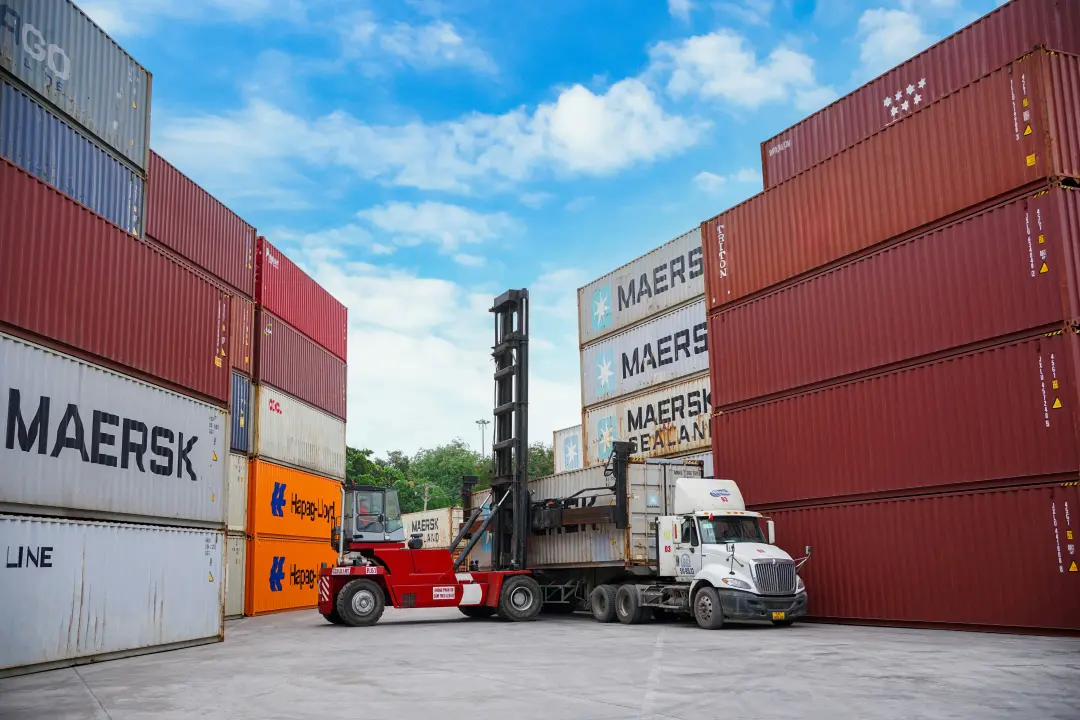
When shipping containers arrive at a port, they typically go through:
-
- • Vessel unloading and transfer to container stacks at the depot
- • Weight verification and seal inspection for tampering
- • Visual checks for rust, corrosion, and frame damage
- • Documentation review for international and domestic delivery scheduling
Inspecting containers at the port ensures buyers receive units in good condition, giving confidence in the quality of used shipping containers.
Inspection for Rust and Structural Integrity
A standard container inspection focuses on:
-
- • Floor condition and signs of water damage
- • Door seals and locking mechanisms
- • Corner posts and load-bearing frame strength
- • Surface rust, corrosion, and paint integrity
Careful inspections help maintain structural integrity, making containers reliable for long-term storage, offices, or modular conversions.
Stack Management and Depot Logistics
Containers are stacked at depots to maximize space and ensure efficient handling for future shipments or sales. Depots and container yards manage one-trip and older containers differently, using records to track container age and repair history for resale.
Efficient depot logistics reduce delivery delays and ensure containers are ready for customization or reuse. For buyers, depot proximity can significantly affect delivery costs and lead times when sourcing shipping containers for sale with local delivery.
Shipping Container Sales, Rental, and Reuse Options
New vs. Used Shipping Containers
When comparing container options, buyers should evaluate:
-
- • New / one-trip containers: Minimal wear, longest lifespan, best for modular builds
- • Used containers: Lower cost, ideal for storage, workshops, and short-term projects
- • Delivery access and site space for 20-foot vs. 40-foot containers
- • Budget for refurbishment, insulation, or interior customization
Comparing new and used containers helps buyers choose the right size and condition for projects such as a backyard workshop or home storage solution.
When to Rent or Buy a Shipping Container
Renting a shipping container is a cost-effective option for temporary storage, construction sites, or events where long-term reuse is unnecessary. Rental companies maintain their fleets through scheduled maintenance, reducing rust and corrosion and preserving structural integrity.
For longer-term projects or conversions into container offices, purchasing a used or new container often provides better value and greater customization potential. Many buyers explore short-term shipping container rental with delivery before committing to ownership.
Refurbishment and Repurposing Pathways
Repurposing used containers into workshops, living spaces, or retail units extends their lifecycle and supports sustainable reuse. Many containers feature modular designs that allow customization, insulation, and interior refits while preserving the load-bearing frame.
Refurbishment services can convert one-trip and used containers into modern container offices with HVAC, electrical systems, and customized openings. Long-tail searches like refurbished shipping container offices for sale with delivery help connect buyers with turnkey solutions.
Shipping Container Sizes and Modern Features
Standard Container Sizes Explained
Common container size use cases include:
-
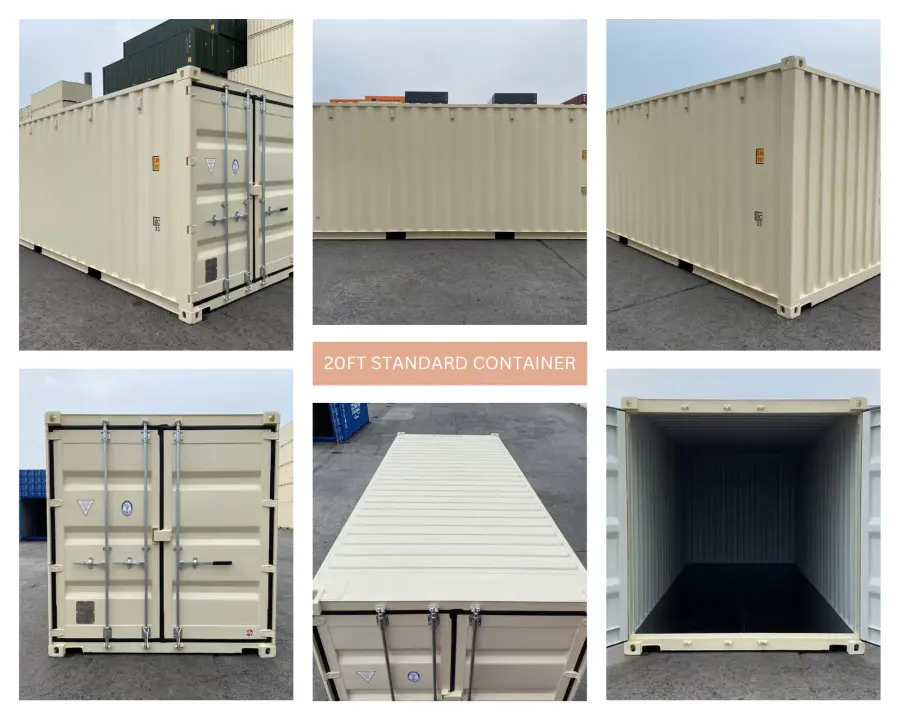
- • 20-foot containers: Storage units, small offices, mobile workshops
- • 40-foot containers: Modular homes, retail units, large-scale storage
- • High-cube containers: Extra height for HVAC systems, shelving, and insulated builds
Understanding standard container sizes helps you select the ideal unit for your home office, workshop, or storage needs.
Structural Integrity and Weathering Steel
Modern containers are constructed using Corten or weathering steel to minimize rust and corrosion while providing exceptional strength for stacking and cargo transport. Reinforced corner posts and lashing bars protect the container’s lifespan under heavy freight use.
Structural integrity inspections are critical before converting a container into a habitable or commercial space to ensure long-term safety and performance. Buyers often research weathering steel shipping container corrosion resistance when comparing materials.
Customization and Modular Construction Uses
Containers are widely used beyond shipping as building blocks for modular homes, pop-up retail spaces, and storage solutions due to their transportability and customization potential.
Modifications may include cutting doors and windows, installing insulation, adding electrical systems, and completing interior finishes. Certified fabricators typically handle these conversions to maintain structural integrity and comply with local building codes. Searches like custom shipping container conversion company near me with delivery help locate full-service providers.
International Shipping and Environmental Impact
How Global Trade Affects Container Availability
International shipping drives container demand and shapes the lifecycle through loading, transit, and unloading at ports worldwide. Shipping lines coordinate freight schedules that determine container turnover, and many containers are sold into regional markets once retired from line service.
Shifts in global trade can affect the availability of used and one-trip containers in local sales markets. Long-tail searches such as how international shipping affects used container availability in the US explain these supply trends.
Sustainable Reuse and Environmental Benefits
Reusing shipping containers for storage or construction reduces environmental impact by extending their lifecycle and minimizing waste. Refurbishment programs address rust and corrosion while preserving structural components and keeping materials out of landfills.
Proper maintenance, repainting, and corrosion control maximize cost-effectiveness over the container’s lifespan. Eco-focused buyers often search sustainable shipping container reuse for construction projects when planning builds.
Certifications and Safe Shipping Standards (CSC)
Containers used in international shipping must meet certification standards, such as CSC plates, to verify they are safe for stacking and cargo transport.
When containers are sold for domestic reuse, buyers should confirm whether the unit retains CSC certification or has been reclassified for storage use. Queries like CSC certified used shipping containers for sale help buyers find compliant inventory.
Maintenance, Lifespan, and End-of-Life Strategies
How to Prevent Rust and Corrosion
To extend a container’s lifespan, owners should:
-
- • Treat rust spots and repaint exposed steel
- • Lubricate door hinges and locking bars
- • Check roof panels for standing water or dents
- • Inspect seals and flooring annually
Regular maintenance, including rust prevention and seal checks, ensures containers remain durable even in humid or coastal climates.
Expected Shipping Container Lifespan
A container’s lifespan varies by usage. Units in active international shipping may last decades, while heavy local use or exposure to harsh climates can shorten service life and require refurbishment.
Decisions to repair, refurbish, or retire a container depend on floor condition, the extent of corrosion, and the structural integrity of corner posts. Many buyers choose one-trip or new containers for long-term projects, while used containers often serve as cost-effective solutions for temporary needs.
Recycling and Final Repurposing Options
At the end of their active service, containers can be repurposed into permanent structures, dismantled for materials, or refurbished for continued non-shipping use.
Common final uses include storage units, workshops, retail kiosks, and living spaces. Recycling steel ensures valuable materials are recovered and environmental impact is reduced. Searches like end-of-life shipping container recycling and repurposing services help locate sustainable disposal options.
Get Your Shipping Container Today with Four Sons Logistics
Ready to source the perfect shipping container for your project? Whether you need shipping containers for sale, used units, or one-trip containers, Four Sons Logistics offers complete sales, delivery, and customization across our service areas.
We provide a full-lifecycle approach—from international shipping and port handling to depot management and last-mile delivery—ensuring each container maintains structural integrity and long-term reliability. Explore our inventory of one-trip and used containers in multiple sizes and get a quote today to move forward with modern container solutions for storage, construction, or modular conversions.
Contact Four Sons Logistics now to secure cost-effective, modular container solutions for storage, offices, or living spaces—delivered safely from port to your property.
Frequently Asked Questions About Shipping Containers
What is the full lifecycle of a shipping container?
A shipping container’s lifecycle includes international shipping, port unloading, inspection, depot storage, sale or rental, and eventual repurposing for storage, offices, or modular builds.
What sizes of shipping containers are most common?
The most common sizes are 20-foot and 40-foot containers. High-cube containers offer extra height for storage, insulation, or modular construction projects.
How long do shipping containers last?
With proper maintenance, new or one-trip containers can last 25+ years, while used containers may have a shorter lifespan depending on wear, exposure, and care.
Can used shipping containers be converted into offices or living spaces?
Yes! Used and one-trip containers can be customized with doors, windows, insulation, and electrical systems to create container offices, workshops, or modular living spaces.
Are shipping containers inspected before purchase?
Yes. Most containers are checked for rust, corrosion, structural integrity, and door/floor condition before sale to ensure they meet quality standards.
___
Featured image credit: Solømen on Unsplash