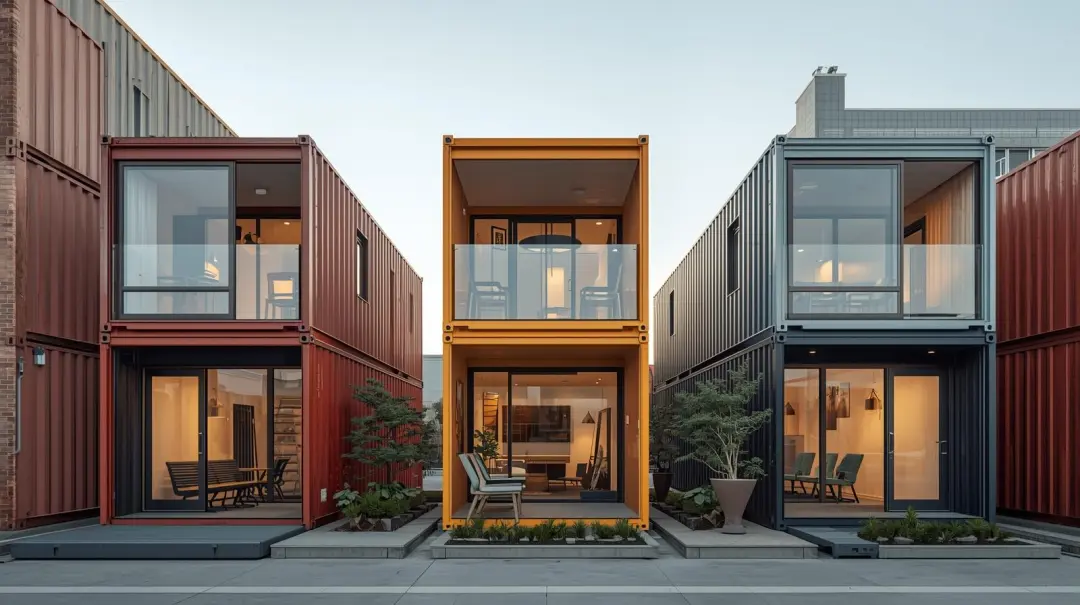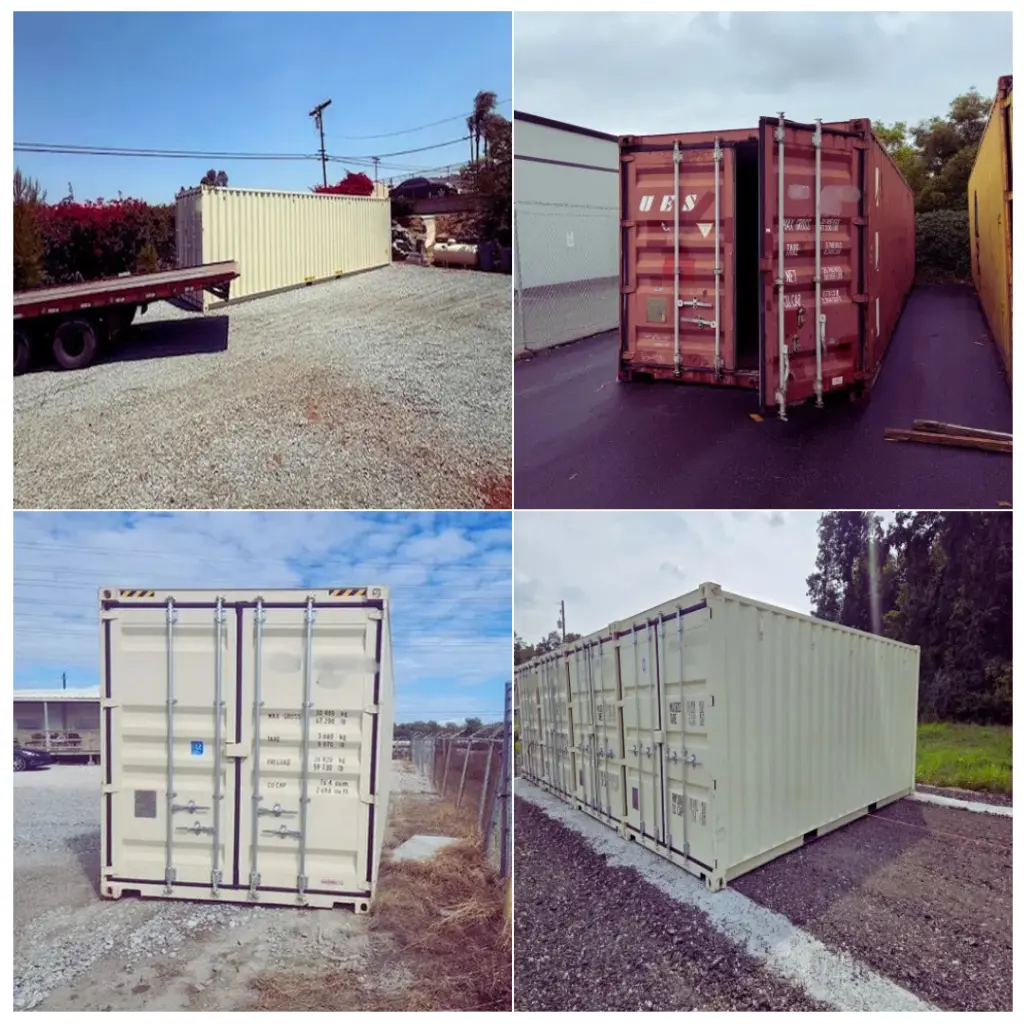
Whether you’re considering storage container options or planning to build shipping container homes, one of the first questions homeowners and businesses ask is: Do you need permits for a shipping container on your property? Whether you’re looking at shipping containers for sale, used shipping containers, or converting a new or used shipping container into a structure, understanding building permit requirements, local building codes, and zoning laws is essential before placing a container.
This guide explains the key terms and long-tail topics related to shipping container zoning, permits for a shipping container, and regulations for shipping containers. It also clarifies when you may need a building permit, temporary use permit, or approval from your local zoning office. We highlight the differences between residential placement, cargo containers used for storage, and container homes versus storage container use—helping you stay compliant with local zoning and building code requirements.
Shipping Container Zoning: Do You Need a Permit to Place a Shipping Container?
Building Permit Requirements
Many municipalities require property owners to meet building permit requirements before placing a container—especially when it will be used as a structure and not temporary storage.
A building permit for a shipping container may be required when:
- • The container will be used as a permanent structure.
- • You plan to connect utilities (electricity, water, plumbing).
- • The container is being modified for occupancy (e.g., shipping container home, office).
- • The container will remain on your property long-term rather than temporary use.
- • Local zoning requires review to ensure compliance with shipping container zoning laws.
Always confirm requirements with your local building department to avoid fines or removal orders.
Zoning Laws and Local Zoning
Zoning laws determine whether a shipping container is allowed in a residential area—or if it’s restricted to commercial or industrial zones.
Local zoning regulations for shipping containers often include:
- • Whether containers are permitted on residential property.
- • Required setbacks from property boundaries.
- • Visual screening or camouflage requirements.
- • Limits on container size or number of units.
- • Approved uses—such as shipping container used for storage vs. housing or retail.
Check with your local zoning office to confirm which rules apply to your parcel.
Shipping Container Zoning Laws
Shipping container zoning laws vary dramatically across jurisdictions.
Zoning laws for placing a container on your property may depend on:
- • Your city, county, or rural zoning classification.
- • How the container will be used—storage, accessory structure, or dwelling.
- • Whether national standards (IBC, IRC) influence local decisions.
- • Whether the zoning office must issue a written determination for your address.
When in doubt, request written clarification from the zoning and building department.
Building Codes and Container Use: Regulations for Shipping Containers
Local Building Codes
Local building codes often dictate whether a shipping container can be converted into a habitable container home or must remain a storage container. Building codes cover structural modifications, insulation, egress, fire safety, and foundation requirements for container structure projects. For projects like building a shipping container home, compliance with the International Residential Code or local amendments is typically required, which may trigger building permit requirements. Always consult a licensed contractor experienced in shipping container construction to ensure your plans meet local codes before submitting permit applications.
International Building Code and Residential Rules
The International Building Code (IBC) and International Residential Code (IRC) are often referenced by jurisdictions when evaluating container homes and container structures for safety and habitability. Areas that adopt these codes will require engineered plans and inspections if the container is used as a living space or undergoes major alterations. Even a single container converted into a studio or accessory dwelling must comply with structural, electrical, plumbing, and energy codes. Check with your building department to determine which standards apply to your “shipping container on my property” project.
Permit for a Shipping Container
Securing a permit for a shipping container typically involves submitting site plans, foundation details, and modification drawings for review by zoning and building officials. Requirements differ depending on whether the container will be used temporarily for storage or permanently as a container home or commercial structure. Expect review timelines, permit fees, and inspection checkpoints to ensure compliance with safety standards. If you’re buying shipping containers for sale or used shipping containers for conversion, be sure to plan for permit timelines in your project schedule.
Placing a Container on Residential Property: Special Considerations
Container in a Residential Area
Placing a container in a residential area often triggers stricter rules than in commercial zones. Many municipalities limit or ban permanent containers on single-family lots. Homeowners considering one container for storage or multiple containers for a shipping container home should review neighborhood covenants, HOA rules, and zoning laws. Temporary use permits may be available for short-term storage during construction, but limits on duration usually apply. Always check with your planning department to confirm allowed uses and required approvals.
Permit Requirements and Temporary Permits
Some areas offer temporary permits for storage containers used during moving, construction, or events. These usually bypass full building permit requirements if the container is time-limited and unmodified. Temporary permit requirements may include proof of temporary need, placement that meets setback rules, and sometimes insurance documentation. For long-term use or conversion into living space, a standard building permit is almost always required. Securing the correct permit helps prevent enforcement actions or removal orders.
Neighborhood Guidelines and HOA Rules
Even when local zoning allows containers, HOAs and neighborhood covenants may restrict or prohibit container use, colors, and placement. HOAs may require screening, landscaping, or specific placement to minimize visual impact and can enforce compliance through fines or removal. Before purchasing used shipping containers or planning a container home, review HOA rules and seek written approval. Sharing your plans with neighbors can also reduce potential conflicts.
Commercial and Agricultural Uses: Container Regulations and Requirements
Commercial Property Guidelines
Commercial property guidelines often allow more flexibility for shipping containers, making them popular for storage, retail pop-ups, or site offices. However, commercial uses still require compliance with local building codes, fire access, and sometimes special-use permits. Containers storing hazardous materials may require additional environmental or fire permits. When buying shipping containers for commercial use, verify business permits and site plan approvals.
Containers on Agricultural or Rural Land
Agricultural or rural properties may permit containers as accessory structures, but setback, visibility, and environmental rules can still apply. Some counties allow storage containers for farm equipment without permits, while others require permits for permanent placement or structures over a certain size. Rural zoning offices can advise on permit requirements, separation from septic and water systems, and whether conversion to a container structure requires building permits. Always obtain documentation to avoid future enforcement issues.
Use Permit and Variance Process
If your intended container use conflicts with zoning regulations, applying for a use permit or variance may allow container placement after a public review. Variances evaluate hardship and neighborhood impact and can grant exceptions to setback or use restrictions. Clear plans, community outreach, and professional guidance increase your chances of approval. Note that the process can take weeks to months and may involve zoning board hearings.
Buying and Installing Containers: Practical Tips and Compliance
Shipping Containers for Sale and Used Shipping Containers
When searching for shipping containers for sale, compare new and used options based on your intended purpose—storage, container home conversion, or commercial use. Used containers are affordable but may require repairs or modifications to meet building codes for habitable structures. New containers offer consistent structural integrity but cost more. Both types require proper anchoring and foundation work to meet building permit requirements. Always verify seller disclosures regarding previous cargo, damage, and certification.
Before buying a shipping container, consider:
- • Comparing new vs. used containers depending on your project needs.
- • Inspecting for rust, dents, leaks, or structural damage.
- • Confirming CSC certification if transport is required.
- • Asking about previous cargo contents and repairs made.
- • Checking local rules for used shipping containers for residential or commercial use.
Installation, Foundation, and Anchors
Proper installation, foundation design, and anchoring are essential for safety and permit compliance. Foundations may range from simple blocks or piers for storage containers to engineered slabs or footings for container homes. Anchoring prevents movement during storms and ensures compliance with wind-load requirements in local building codes and the International Building Code. Include detailed foundation plans in permit applications and use licensed contractors for code-compliant installation.
Key installation considerations include:
- • Choosing a foundation type suited for your container’s purpose.
- • Ensuring the container is level for door alignment and drainage.
- • Anchoring to meet local wind-load requirements.
- • Considering storm conditions and soil type on your property.
- • Including foundation and anchoring plans in permit applications.
Maintenance and Ongoing Compliance for Shipping Containers
After installing a shipping container, ongoing maintenance and compliance are essential to protect your investment and stay within local regulations. Regularly inspect the container for rust, water leaks, and structural damage, especially if it’s used as a storage or living space. Ensure that anchoring, foundation, and utility connections remain secure and up to code over time. Keep documentation of permits, inspections, and any modifications to demonstrate compliance with building and zoning requirements. Proper maintenance not only extends the life of your container but also helps avoid fines, safety hazards, and costly repairs.
Final Thoughts & Next Steps
Understanding your local permit requirements, zoning laws, and building codes before placing a shipping container on your property can save you time, prevent costly violations, and keep your project on track. Whether you’re planning a temporary storage setup, converting a used shipping container into a home, or installing a container for business use, your local building and zoning departments should always be your first step.
If you’re ready to buy shipping containers for sale, set up a storage container, or start a shipping container home project, Four Sons Logistics is here to help. We offer new and used containers, reliable delivery, expert guidance, and service-area coverage for both residential and commercial projects.
Check with your local authorities to confirm permit requirements—then request a quote from Four Sons Logistics to secure availability and permit-friendly delivery options. Start your project with confidence and the right container delivered fast.
___
All images are original Four Sons Logistics delivery photos.