The demand for new and used shipping containers is rising across U.S. cities as cargo volumes increase and intermodal networks expand. From the ports of Los Angeles and Long Beach on the West Coast to Savannah, New York, and Virginia on the East Coast, strategic locations near highways and inland hubs are driving growth in container handling, TEUs, and logistics operations.
Businesses seeking container solutions must consider access to major markets, proximity to ports, intermodal connections, and port capacity to handle surges in container traffic. This guide highlights top cities and ports where supply chain logistics and freight hubs make containers highly sought after, based on 2025 trends and projections into 2026.
Major U.S. Port Logistics Hubs
Key Port Cities
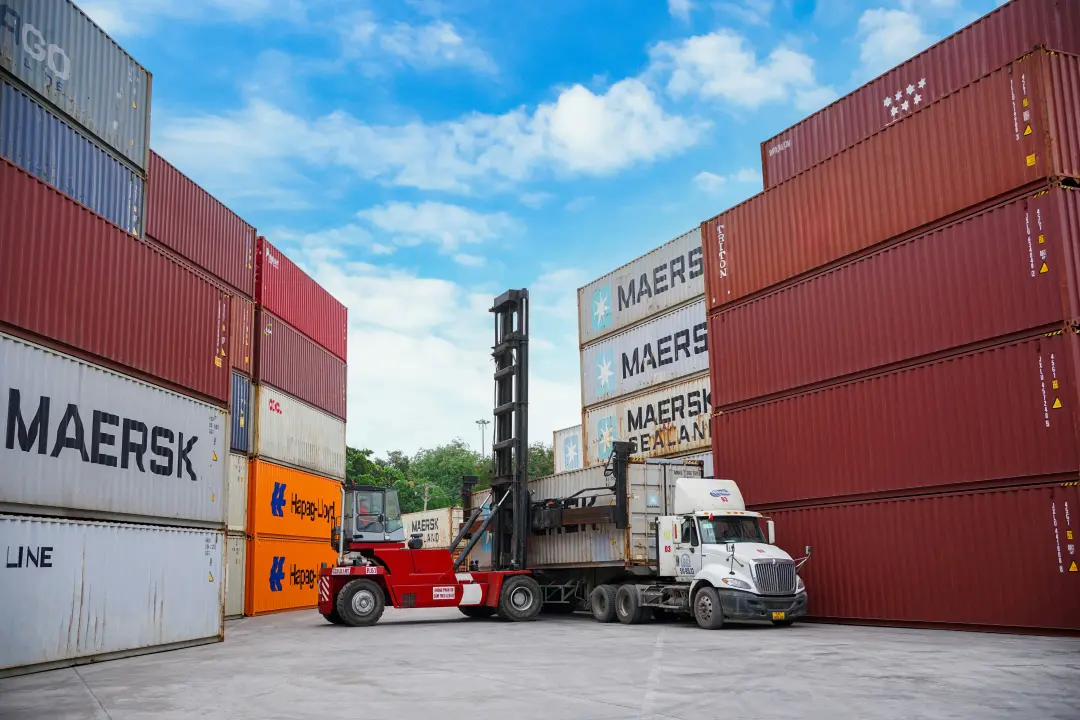
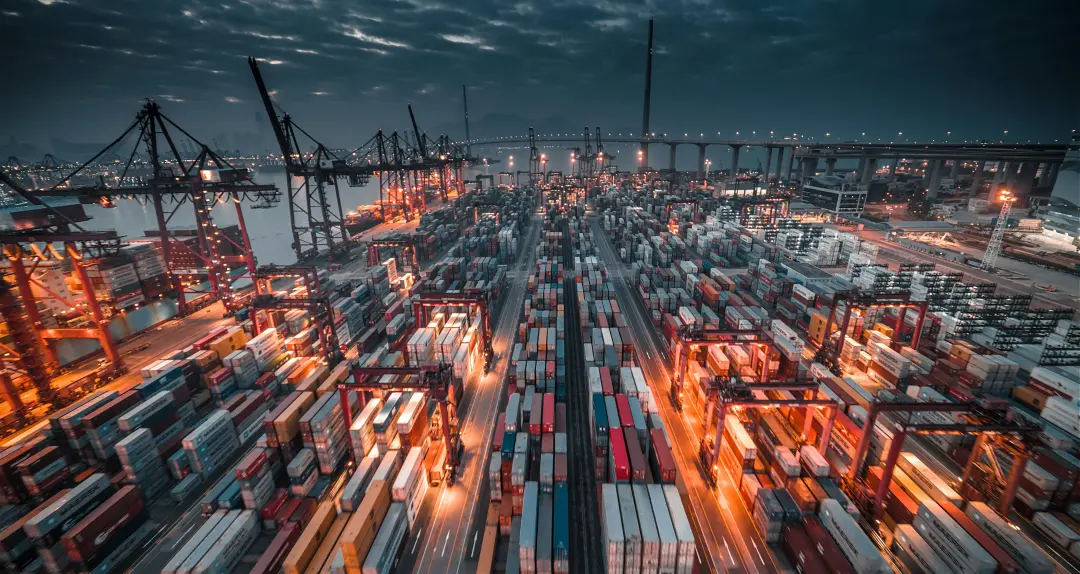
Major ports like Los Angeles, Long Beach, Savannah, and New York serve as multimodal hubs, linking ocean shipping to inland distribution by truck and rail. Advanced port infrastructure and proximity to highways support rapid container turnover, creating local demand for new and used shipping containers.
Supply Chain Advantages
Strategically located hubs reduce transportation costs and speed delivery. Companies build inland hubs to optimize last-mile truck distribution and rail intermodal transfers, supporting shipments to and from container ports. This concentration of logistics operations increases demand for containers used for storage, pop-up warehousing, and cargo staging.
Busiest Ports and Freight Movement
- • Los Angeles & Long Beach: Handle over 10 million TEUs annually, making them the busiest West Coast ports.
- • Savannah: Experienced 12% year-over-year growth in container throughput in 2025 due to expanded terminal capacity.
- • New York & New Jersey: Serve as the Northeast gateway with massive freight volumes and a dense consumer market.
High freight volumes create strong markets for containers and intermodal services, making these cities ideal for logistics hubs.
Port of Savannah and East Coast Growth
Savannah Port
Savannah is a key East Coast hub with vast TEU capacity and growing terminal space. Its location near highways and rail links enables efficient inland distribution across the Southeast and Midwest, driving demand for new and used shipping containers.
East Coast Ports
Ports including New York, New Jersey, Charleston, and Virginia are near large consumer markets. Highway and intermodal access allows quick cargo transfer to trucks and trains. These cities provide strong markets for containers, supporting warehouse expansion and distribution growth.
Inland Hubs
Connected to coastal ports, inland hubs reduce transit times and costs for regional shipments and last-mile delivery. Many operations favor locations near population centers to support just-in-time inventory, increasing the need for container solutions for storage, offices, and staging.
Port of Los Angeles and Long Beach: West Coast Capacity
The Los Angeles–Long Beach complex is one of the world’s largest and busiest ports. High TEU volumes create constant demand for container equipment, including used containers and new container inventory. Intermodal links to highways and rail support wide distribution across the western U.S., serving retail, manufacturing, and e-commerce supply chains.
Intermodal Connectivity
Strong rail and trucking routes reduce bottlenecks and provide shipment flexibility. Ports with proven intermodal capacity are preferred by businesses sourcing containers to avoid delays and extra costs.
Container Handling and Turnover
High throughput ensures steady availability of used containers, while service providers expand depots, repair facilities, and sales operations. These ports remain central to U.S. import and export activity, based on 2025 throughput trends, and are projected to stay critical into 2026.
New York & New Jersey: Northeast Gateway
Port Overview
The ports of New York and New Jersey provide critical access to dense consumer markets. They support massive freight volumes and a constant need for new and used shipping containers. Their proximity to highways and railroads enables efficient inland distribution.
Logistics and Distribution
Efficient inland routes and intermodal access allow rapid transfer to warehouses and last-mile carriers. This dense logistics network supports container demand and enhances supply chain resilience.
Emerging Port Cities: Virginia and Charleston
Ports like Virginia and Charleston have expanded capacity and improved connectivity, easing congestion at larger gateways. Their strategic locations near rail and highways support inland distribution and intermodal transfers. Emerging hubs provide alternative access to major markets with lower congestion, attracting businesses seeking container solutions.
Key Considerations
Proximity to population centers, container handling facilities, and transportation access drives container demand. Ports with scalable capacity and efficient TEU handling attracted businesses in 2025 and are expected to continue doing so in 2026.
Future Supply Chain Trends
Based on 2025 data and trends moving into 2026, U.S. ports are expected to adopt automation, digital tracking systems, and green logistics practices. These innovations will increase throughput, reduce dwell times, and drive demand for both new and used containers. Companies positioning themselves near emerging hubs like Virginia and Charleston may benefit from lower congestion and faster inland distribution.
Get the Right Shipping Containers for Your Business
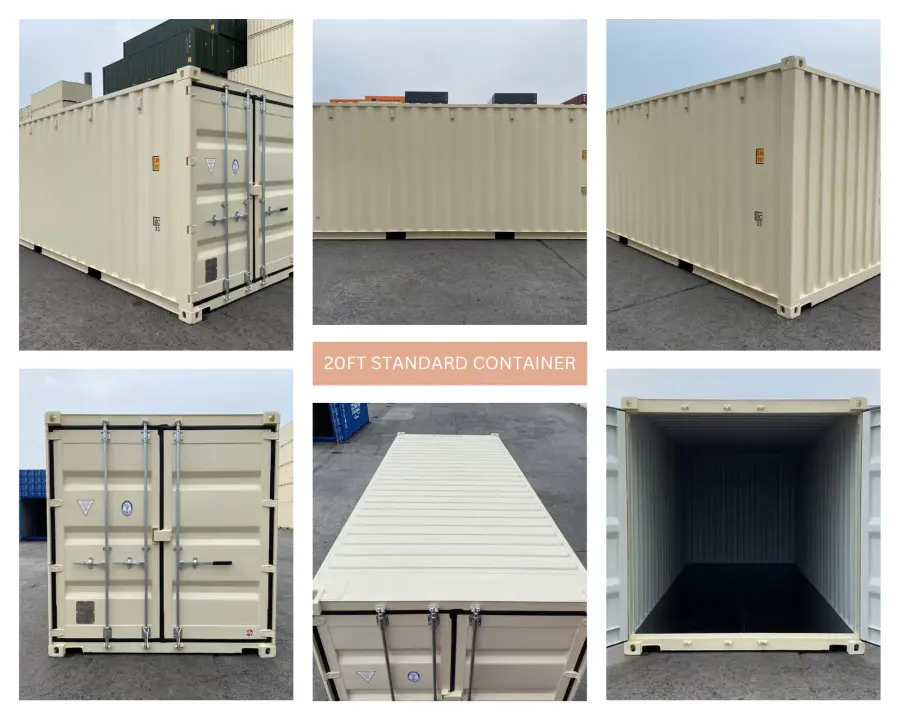
Secure the right container for your logistics operation with Four Sons Logistics. We offer a full lineup of new and used shipping containers, ready for modification or immediate use, with reliable regional delivery. Our service covers major U.S. ports, inland hubs, and highways—including Savannah, Los Angeles, Long Beach, New York, and Virginia—with reliable intermodal connections for efficient distribution.
Whether you’re expanding warehouse space, staging cargo, or preparing for logistics projects, our containers provide the flexibility and durability your business demands. Leverage our supply chain expertise to make smarter container investments, streamline your operations, and scale your freight capabilities. Request a quote today to secure containers for your business and benefit from our nationwide service area and expert support.
Frequently Asked Questions About Shipping Containers
What are the busiest container ports in the U.S.?
Los Angeles, Long Beach, Savannah, New York, and Virginia consistently rank among the busiest based on TEU volume, container throughput, and freight traffic in 2025.
Why are inland hubs important for shipping containers?
Inland hubs reduce transportation costs, improve last-mile delivery, and optimize intermodal freight distribution from coastal ports, making container logistics more efficient.
What trends will affect container demand through 2026?
Automation, increased TEU volumes, intermodal efficiency, and the growth of e-commerce logistics will drive higher demand for both new and used shipping containers.
How do U.S. ports support the distribution of new and used shipping containers?
Major ports offer intermodal connections to rail and highways, efficient container handling, and depot services, ensuring smooth flow of containers to inland hubs and businesses.
Which factors should businesses consider when choosing a port for container logistics?
Companies should evaluate port capacity, proximity to major markets, intermodal connectivity, terminal infrastructure, and TEU handling efficiency to ensure timely and cost-effective container distribution.
___
Featured image credit: Timelab on Unsplash