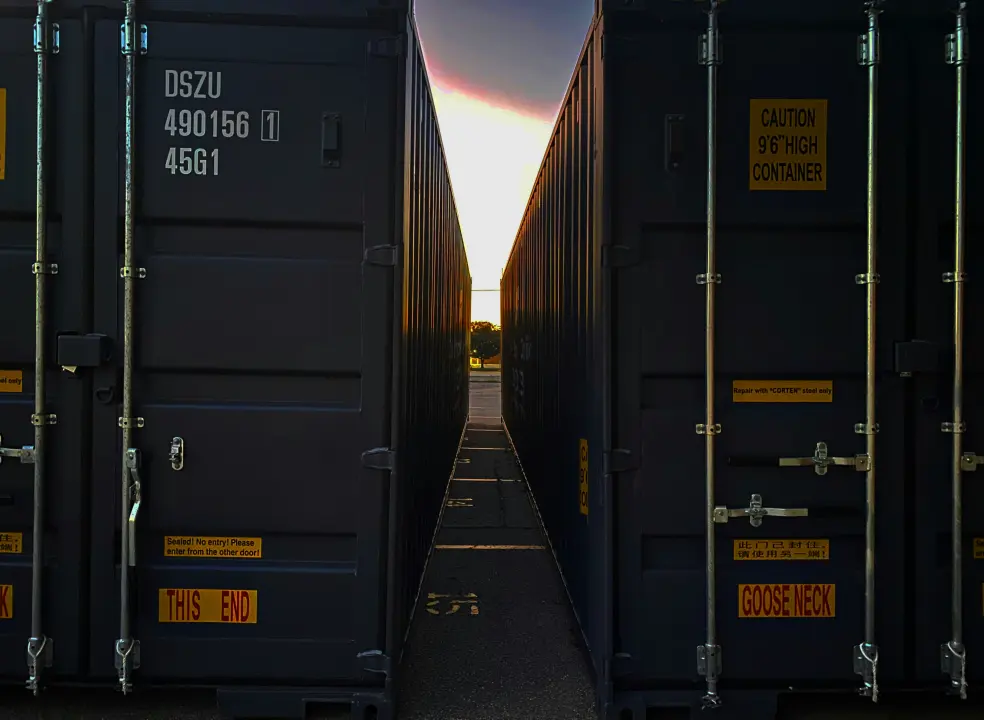
When storing valuable cargo in shipping containers, choosing the right lock is one of the most important steps you can take to protect your investment. Whether you’re securing a new shipping container, a used storage container, or a cargo unit at a long-term job site, the right locking system can help deter theft and unauthorized access.
This guide explores the most effective container security solutions, including disc locks, puck locks, crossbar locks, heavy-duty padlocks, and lock box systems. You’ll learn how different locking mechanisms work, how to choose the best option for your needs, and how to enhance shipping container security with layered protection.
What Is the Best Lock for a Shipping Container?
The best lock for a shipping container is typically a high-security disc lock or puck lock used in combination with a welded lock box. These locking systems minimize exposed shackle areas, making them more resistant to bolt cutters, pry attacks, and tampering. For maximum protection, many container owners also install crossbar lock systems and additional security measures such as lighting, surveillance cameras, and restricted site access.
| Lock Type | Security Level | Bolt Cutter Resistance | Cost | Best For |
|---|---|---|---|---|
| Disc Lock | High | Excellent | $$ | General container security |
| Puck Lock | Very High | Excellent | $$$ | High-value cargo and equipment |
| Heavy-Duty Padlock | Medium-High | Good | $ | Budget-friendly protection |
| Crossbar Lock System | Very High | Excellent | $$$$ | Long-term storage and high-risk locations |
| Lock Box + Disc Lock | Maximum | Excellent | $$$ | Layered security and theft prevention |
Tip: Swipe horizontally on mobile devices to view the full table.
Shipping Container Locks: Types and Security Options
Disc Locks Overview
Disc locks are widely considered one of the best locking solutions for shipping containers because their circular design minimizes shackle exposure and makes cutting attacks more difficult. Industrial-grade disc locks provide excellent protection against bolt cutters and picking attempts while offering long-term durability in outdoor environments.
When selecting a disc lock, choose a model specifically designed for shipping container applications and rated for marine or industrial use. Disc locks are often paired with lock boxes and crossbar systems to create multiple layers of protection.
Benefits of Puck Locks
Puck locks are designed to fit inside recessed housings, making them highly resistant to bolt cutters and pry attacks. Their protected design conceals the locking mechanism and significantly reduces exposed attack points.
Many container owners use puck locks to secure valuable inventory, tools, equipment, and commercial cargo. When combined with a reinforced lock box or crossbar system, puck locks provide robust protection against theft and forced entry.
Crossbar Lock Systems
Crossbar lock systems secure both container doors simultaneously using a steel bar mounted across the doors. These systems add a substantial physical barrier that makes unauthorized access more difficult.
Crossbar locks are commonly paired with disc locks or industrial-grade padlocks to further enhance security. While installation may require professional assistance, crossbar systems are often recommended for high-risk locations where maximum protection is required.
Padlocks and Lock Boxes for Container Security
Heavy-Duty Padlocks
Industrial-grade padlocks designed for shipping containers feature hardened steel shackles and reinforced lock bodies to resist cutting, prying, and tampering.
Choose a padlock rated for outdoor and marine environments to ensure long-term performance. For operations managing multiple containers, rekeyable or master-key systems can simplify access control while maintaining security.
Combining a heavy-duty padlock with a lock box significantly improves protection against theft attempts.
Lock Box Protection
Lock boxes protect padlocks and locking mechanisms by enclosing them within a steel housing. This design helps prevent direct attacks from bolt cutters, grinders, and pry tools.
Many lock boxes are welded directly onto container doors and are compatible with disc locks, puck locks, and other high-security locking systems. A properly installed lock box adds a critical layer of defense against theft.
Combination vs. Keyed Locks
Combination locks eliminate the need for physical keys and can be convenient for shared-access environments. However, they should be specifically designed for outdoor commercial use and constructed from corrosion-resistant materials.
Keyed locks often provide a higher level of security, particularly when equipped with restricted keyways and high-security cylinders. Businesses managing multiple containers frequently benefit from master-key systems that simplify access while maintaining security.
Regardless of the locking style you choose, always ensure the lock fits properly within the container’s locking hardware or lock box.
Maximum Security Strategies for Shipping Containers
High-Security Lock Mechanisms
Protecting valuable cargo requires more than a single lock. The most effective container security systems use multiple layers of protection, including industrial-grade locks, lock boxes, crossbar systems, reinforced hinges, and secure site access controls.
Choose locking systems that are resistant to cutting, picking, drilling, and corrosion. Products specifically engineered for cargo containers generally provide the best fit and performance.
Protecting Locks from Bolt Cutters and Pry Attacks
To minimize vulnerability to theft, prioritize locking systems that conceal or protect the shackle, such as puck locks and disc locks. Reinforced lock boxes help prevent direct access to the locking mechanism and significantly increase the difficulty of forced entry.
Heavy-duty materials and welded reinforcements help deter thieves and make it much more difficult to pry open container doors or compromise external locking systems.
Regular inspections and maintenance ensure locks continue performing effectively over time.
Choosing the Right Heavy-Duty Lock
Selecting the best lock depends on several factors, including container type, location, risk level, and the value of the stored contents.
Compare disc locks, puck locks, crossbar systems, and lock box options by evaluating:
- • Material quality
- • Corrosion resistance
- • Security ratings
- • Ease of installation
- • Manufacturer warranties
- • Compatibility with your container
The ideal locking solution should fit securely, withstand common attack methods, and provide long-term reliability.
Additional Ways to Improve Shipping Container Security
Even the best shipping container lock should be part of a broader security strategy. Combining physical security measures with site security can significantly reduce the risk of theft and unauthorized access.
Consider the following best practices:
- • Install motion-activated security lighting
- • Use surveillance cameras to monitor access points
- • Position containers in visible, well-lit areas
- • Restrict access to authorized personnel only
- • Perform routine lock and hardware inspections
- • Use GPS tracking for high-value equipment or cargo
- • Secure containers behind fencing or gated access points
Layered security measures create multiple obstacles for potential thieves and help protect valuable assets.
Installation, Compatibility, and Maintenance
Proper Lock Installation
Even the highest-quality lock can fail if installed incorrectly.
Professional installation is often recommended for lock boxes and crossbar systems because they may require welding or structural modifications. Proper alignment ensures the locking mechanism engages fully and eliminates gaps that could be exploited during a break-in attempt.
After installation, test the system thoroughly to verify smooth operation and reliable locking performance.
Maintenance and Corrosion Protection
Outdoor container locks are constantly exposed to moisture, dirt, and temperature fluctuations. Routine maintenance helps prevent corrosion and mechanical failures.
Best practices include:
- • Lubricating moving parts regularly
- • Inspecting lock boxes and hinges
- • Removing surface rust promptly
- • Replacing worn hardware
- • Checking locking alignment periodically
Proper maintenance extends lock lifespan and helps maintain container security.
Lock Compatibility and Fit
Not all locks fit every container configuration. Standard containers, high-cube containers, refrigerated units, and modified storage containers may require different lock styles or lock box placements.
Before purchasing a lock, verify compatibility with:
- • Door hasps
- • Locking rods
- • Existing lock boxes
- • Door clearances
- • Container modifications
A properly fitted locking system provides better protection and reduces potential weak points.
Buying a Shipping Container and Upgrading Security
What Security Features Should You Look for When Buying a Shipping Container?
Whether you’re buying a new or used shipping container, security should be part of your initial planning process.
Many containers come with basic locking hardware, but upgrading to a disc lock, puck lock, or crossbar system provides significantly better protection. Used containers should be inspected carefully to determine whether additional security upgrades are needed.
Budgeting for security improvements upfront can help prevent costly losses later.
At Four Sons Logistics, we frequently recommend lock box systems paired with industrial-grade disc locks for customers storing tools, equipment, inventory, and other valuable assets. This combination provides an effective balance of security, durability, and affordability for most container storage applications.
Upgrading Existing Container Security
Improving container security doesn’t always require replacing the entire locking system.
Popular upgrades include:
- • Installing lock boxes
- • Adding crossbar systems
- • Replacing standard padlocks
- • Reinforcing hinges
- • Strengthening door hardware
These upgrades can dramatically improve theft resistance while remaining cost-effective.
Security Considerations for Commercial Buyers
Businesses managing multiple containers should evaluate security solutions based on operational efficiency, durability, and theft prevention.
Important considerations include:
- • Master-key systems
- • Corrosion resistance
- • Security certifications
- • Warranty coverage
- • Ease of maintenance
- • Theft-resistance ratings
Choosing the right security solution helps protect valuable inventory and reduce operational risks.
Protect Your Container with the Right Locking System
Selecting the best lock for a shipping container involves evaluating security, durability, compatibility, and resistance to common theft methods such as cutting, prying, and tampering. Investing in industrial-grade locking systems, lock boxes, and reinforced security hardware can significantly reduce the risk of theft and improve long-term cargo protection.
Whether you’re securing a storage container, protecting valuable equipment, or managing a fleet of cargo containers, the right locking system provides peace of mind and dependable protection. Four Sons Logistics can help you choose the best security solution for your container and ensure your investment remains protected for years to come.
If you’re shopping for a new or used shipping container, our team is here to help. Contact Four Sons Logistics today for expert guidance, competitive pricing, and a free quote on the right container and security solutions for your project.
Frequently Asked Questions About Shipping Container Locks
What is the most secure lock for a shipping container?
For most applications, a puck lock or a disc lock installed within a reinforced lock box provides the highest level of protection. These systems reduce exposed attack points and offer excellent resistance against cutting and tampering.
Are shipping container lock boxes worth it?
Yes. Lock boxes protect the lock from direct attacks by bolt cutters, grinders, and pry tools. They are widely considered one of the most effective security upgrades for shipping containers.
Can bolt cutters cut a shipping container lock?
Some standard padlocks can be cut with heavy-duty bolt cutters. However, high-security disc locks, puck locks, and locks protected by a lock box are specifically designed to resist cutting attacks.
Should I use more than one lock on a shipping container?
Using multiple layers of security is highly recommended, especially for containers storing valuable equipment or inventory. Combining a lock box, high-security lock, lighting, fencing, and surveillance can significantly improve overall protection.
Do new shipping containers come with locks?
Most new shipping containers include locking hardware but do not typically come with a high-security lock. Purchasing a quality container lock separately is recommended for better protection.
___
Featured image credit: Bryce Craig on Unsplash