Building a shipping container home is an exciting way to create a unique, durable, and sustainable living space. However, first-time builders often underestimate the planning, engineering, and permitting requirements involved. Small mistakes made early in the process can lead to expensive delays, structural issues, and unexpected costs.
Whether you’re purchasing a new or used container, choosing a high cube model, or designing a multi-container layout, careful planning is essential. From selecting the right foundation and insulation system to meeting local building codes, every decision plays a role in the success of your project.
In this guide, we’ll cover the most common mistakes people make when building a shipping container house in the United States and explain how to avoid them. By understanding these challenges before construction begins, you can save time, reduce costs, and create a safe, comfortable home that stands the test of time.
How Do You Avoid Mistakes When Building a Shipping Container Home?
The best way to avoid costly mistakes when building a shipping container home is to choose the right container, work with qualified engineers, follow local building codes, plan for insulation and ventilation, and create a realistic budget. Proper planning helps prevent structural issues, permit delays, and unexpected construction costs.
Choosing the Wrong Shipping Container
Selecting a Container That Doesn’t Meet Your Space Requirements
Choosing the wrong type of shipping container can limit usable space and increase construction costs. Many first-time builders assume a single 40-foot container will provide enough room, only to discover that their design requires additional space for bedrooms, storage, or living areas.
Before purchasing a container, carefully evaluate your floor plan, lifestyle needs, and long-term goals. Multiple containers or high cube containers often provide greater flexibility and improved interior comfort. Visiting containers in person and comparing new and used options can also help you identify potential issues such as rust, dents, or previous cargo contamination before making a purchase.
Using Standard-Height Containers Instead of High Cube Containers
Using standard-height containers when a high cube container would be more suitable is a common mistake. High cube containers provide an additional foot of interior height, making it easier to install insulation, ductwork, lighting, and HVAC systems without sacrificing usable living space.
The extra height can make a significant difference if your design includes loft areas, vaulted ceilings, or larger windows. While high cube containers typically cost more, the added comfort and design flexibility often justify the investment.
Buying Containers Without a Proper Inspection
Purchasing a container without inspecting it first can lead to costly surprises. Surface rust may conceal deeper corrosion, and previous modifications could affect the container’s structural strength.
Always inspect containers for rust, damaged welds, dents, and signs of moisture intrusion. Request photos, condition reports, and transportation records from the seller whenever possible. Working with a reputable supplier can reduce the risk of purchasing a container that requires extensive repairs before construction begins.
Skipping Professional Design and Engineering
Building Without Detailed Architectural Plans
Skipping professional architectural plans can lead to design errors, permit delays, and construction problems. Detailed plans outline window and door locations, floor layouts, HVAC systems, utility routes, and structural reinforcements.
Well-prepared plans also help contractors understand where modifications are required and ensure everyone involved in the project is working from the same set of specifications. Investing in professional design services often saves money by reducing costly revisions later in the build.
Not Hiring a Structural Engineer
Many shipping container homes require significant modifications, including large window openings, doorways, and multi-container connections. Without proper engineering, these alterations can weaken the structure and create safety concerns.
A structural engineer can determine where reinforcements are needed and ensure the container maintains its load-bearing capacity after modifications are made. Their expertise is especially important when designing foundations, stacking containers, or combining multiple units into a larger structure.
Ignoring Local Building Codes and Permit Requirements
Assuming all jurisdictions follow the same rules is a common mistake among first-time builders. Every city, county, and state has its own zoning regulations, permit requirements, and building codes for shipping container homes.
Consulting your local building department early in the planning process can help prevent costly delays and redesigns. Submitting complete plans, engineering documents, and site information improves the likelihood of a smooth approval process and helps ensure your home meets all safety requirements.
Underestimating Insulation and Climate Challenges
Choosing the Wrong Insulation System
Shipping containers are constructed from steel, which conducts heat and cold more readily than traditional building materials. Without proper insulation, indoor temperatures can become uncomfortable and energy costs can increase significantly.
Spray foam insulation is a popular option because it provides both insulation and moisture control. It seals gaps, reduces condensation, and improves energy efficiency. However, insulation requirements vary by climate, so it’s important to choose an insulation system that meets local conditions and building standards.
Failing to Control Condensation
Condensation is one of the most common challenges in shipping container homes. Moisture can accumulate when warm indoor air comes into contact with cooler steel surfaces, leading to mold growth, corrosion, and indoor air quality issues.
Proper ventilation, vapor barriers, and moisture management systems are essential. Incorporating vents, dehumidifiers, and well-designed HVAC systems can help maintain healthy humidity levels and protect the structure from long-term damage.
Not Planning HVAC Around Local Climate Conditions
Every climate presents unique heating and cooling challenges. A system that works well in a mild region may struggle in areas with extreme temperatures or high humidity.
Work with an HVAC professional to determine the correct equipment size and configuration for your home’s square footage, insulation levels, and local weather conditions. Climate-specific planning can improve comfort, reduce utility costs, and extend the lifespan of your HVAC system.
Overlooking Foundation and Waterproofing Requirements
Poor Foundation Planning
A shipping container home is only as strong as the foundation beneath it. Improper foundation design can lead to settling, shifting, uneven floors, and structural issues over time.
Foundations should be designed to support concentrated loads at the container’s corner posts while accounting for local soil conditions, drainage, and frost depth where applicable. Consulting a qualified foundation professional can help ensure long-term stability and compliance with local building requirements.
Neglecting Floor Protection and Waterproofing
Failing to protect the container floor and exterior openings can lead to moisture intrusion and costly repairs. Water damage can affect flooring materials, insulation, and interior finishes if not addressed during construction.
Install proper vapor barriers, insulation, flashing, and drainage systems to protect against moisture. Sealing exposed metal surfaces and maintaining waterproof connections around doors and windows can significantly improve the durability of your home.
Improper Window and Door Placement
Adding windows and doors without proper reinforcement can weaken the container’s structure. Large openings remove sections of steel that contribute to the container’s overall strength.
Structural framing and reinforcement should be designed before any cuts are made. Working with an engineer and experienced fabricators helps ensure openings are properly supported while maintaining compliance with building code requirements for safety and emergency egress.
Miscalculating Costs, Permits, and Project Management
Underestimating Total Construction Costs
Many people focus solely on the cost of purchasing a container and overlook the expenses associated with converting it into a livable home.
In addition to the container itself, budget for architectural plans, engineering services, permits, foundation work, utility connections, insulation, HVAC systems, interior finishes, and labor. Including a contingency fund can help cover unexpected expenses and keep your project on track.
Delaying Permits and Approvals
Failing to secure permits before construction begins can result in fines, stop-work orders, and expensive corrections. Permit requirements vary widely depending on location and project scope.
Start the permitting process early and maintain communication with local officials throughout the project. Providing complete documentation and responding quickly to requests for additional information can help minimize delays.
Poor Contractor Coordination and Project Management
Even well-designed projects can experience problems when contractors are not properly coordinated. Scheduling conflicts, communication breakdowns, and unclear responsibilities often lead to delays and increased costs.
Create a detailed construction schedule, establish clear expectations for each trade, and conduct regular progress reviews. Hiring professionals with experience in shipping container construction can further improve efficiency and reduce the likelihood of costly mistakes.
Build Your Shipping Container Home with Confidence
Building a shipping container home can be a rewarding investment, but success depends on careful planning and attention to detail. Choosing the right container, working with qualified engineers and designers, meeting local building code requirements, and planning for insulation, ventilation, and climate control are all critical steps in the process.
By avoiding these common mistakes, you can reduce unexpected costs, prevent construction delays, and create a safe, comfortable, and durable home that meets your long-term needs.
If you’re ready to start your project, Four Sons Logistics can help you source quality new and used shipping containers, including high cube models, and arrange reliable delivery to your build site. Contact our team today to get a quote and take the first step toward building your shipping container house with confidence.
Frequently Asked Questions About Building a Shipping Container Home
What is the biggest mistake people make when building a shipping container home?
The biggest mistake is underestimating the planning required. Many first-time builders focus on purchasing containers without considering permits, engineering, foundation requirements, insulation, ventilation, and utility connections. Careful planning can help prevent costly delays and construction issues.
Do shipping container homes require permits?
Yes. Most shipping container homes require permits and must comply with local zoning regulations and building codes. Requirements vary by location, so it’s important to contact your local building department before starting construction to understand permit and approval requirements.
Are high cube containers better for container homes?
In many cases, yes. High cube containers provide an additional foot of interior height, making it easier to install insulation, HVAC systems, lighting, and interior finishes. The added height can also create a more comfortable living space compared to standard containers.
How do you prevent condensation in a shipping container home?
Proper insulation, ventilation, and moisture control are essential for preventing condensation. Many builders use spray foam insulation, vapor barriers, dehumidifiers, and well-designed HVAC systems to reduce moisture buildup and protect the home from mold and corrosion.
How much does it cost to build a shipping container home?
The total cost depends on factors such as container size, location, foundation work, permits, utility connections, insulation, and interior finishes. While the container itself is a major expense, builders should also budget for engineering, labor, and site preparation costs to avoid unexpected expenses.
___
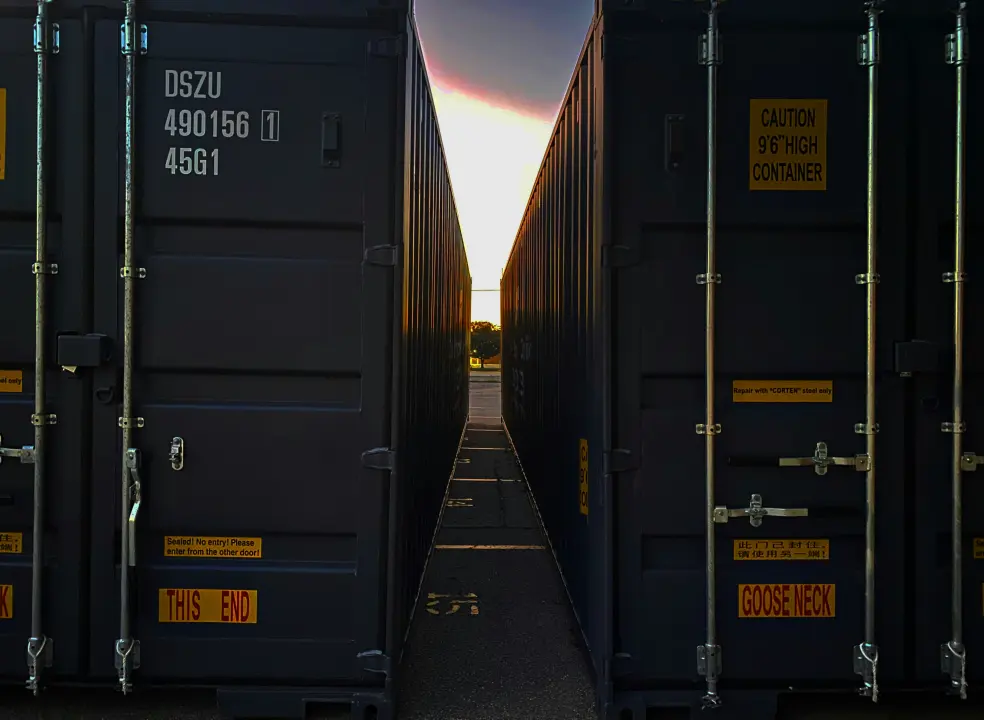
Featured image credit: Maverick Frame on Unsplash