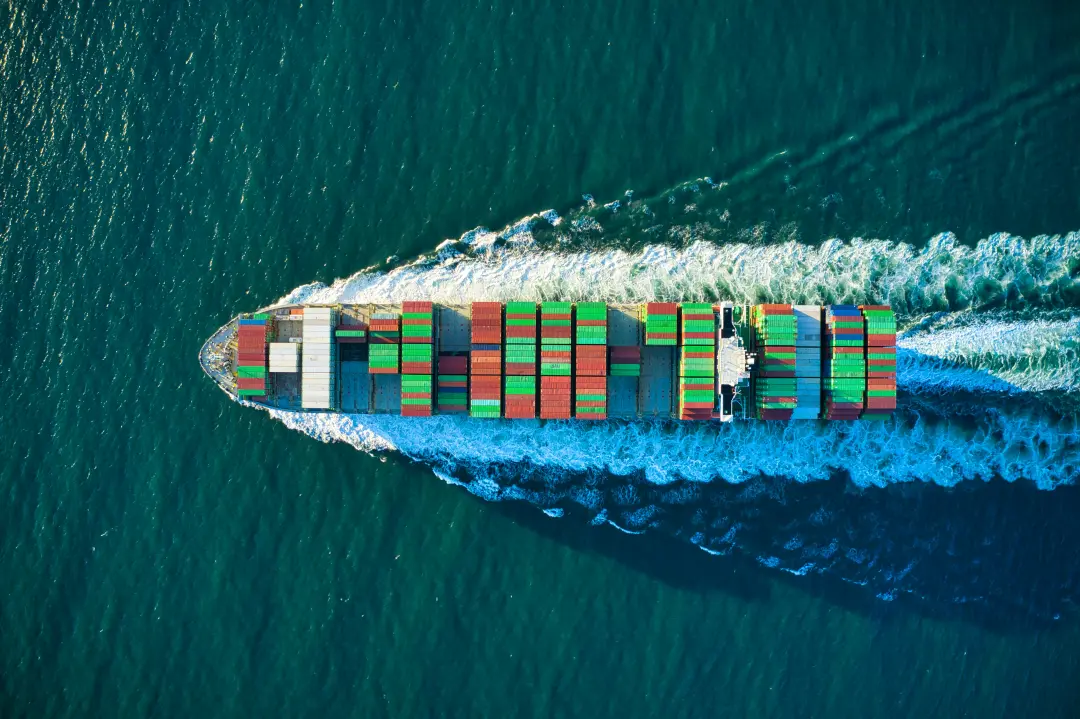
Container shipping in 2026 is anything but predictable. From volatile freight rates to shifting global trade routes, businesses must adapt quickly to stay competitive in a rapidly changing logistics landscape.
The global container market is being shaped by fluctuating ocean freight costs, evolving carrier strategies among major shipping companies, and ongoing supply chain disruptions linked to the Red Sea crisis and geopolitical tensions. These factors continue to impact container prices, transit times, and delivery reliability across major trade lanes.
As normalization gradually follows the volatility of 2024–2025, 2026 presents a mixed environment—overcapacity in some regions and shortages in others—affecting shipping costs, equipment availability, and overall logistics planning. Improved automation in port terminals and logistics systems is also helping streamline global operations, although not evenly across all regions.
What Will Happen to Freight Rates in 2026?
Freight rates in 2026 are expected to remain volatile, driven by supply-demand imbalances, fuel costs, and carrier pricing strategies.
Key factors influencing shipping costs:
- • Blank sailings reducing available vessel capacity
- • Rerouting decisions around high-risk areas such as the Cape of Good Hope
- • Fluctuating demand across major trade lanes
Spot rates will continue to shift in response to short-term market pressure, creating periodic surges in pricing, while contract rates may offer more stability for long-term shippers.
Are Container Prices Going Up or Down in 2026?
Container prices in 2026 will vary depending on global supply, regional demand, and production levels.
Factors affecting container costs:
- • Continued fleet expansion and new container production
- • Regional imbalances causing localized shortages
- • Tariffs, depot fees, and delivery charges
Buyers looking to purchase containers should consider timing, location, and total landed cost—not just base pricing.
What Are the Key Container Shipping Market Trends in 2026?
The container shipping industry in 2026 is balancing recovery and disruption.
Key trends include:
- • Stabilizing demand after pandemic-driven volatility
- • Carrier alliances reshaping global shipping networks
- • Overcapacity in some lanes lowering prices
- • High demand in key corridors creating temporary shortages
These dynamics are closely tracked through market intelligence systems used by logistics providers and traders analyzing global shipping dynamics.
How Does Port Congestion Affect Shipping Times and Costs?
Port congestion remains a major factor impacting delivery performance and shipping efficiency.
The Port of Long Beach continues to experience fluctuating dwell times, which directly affects inland logistics and shipment scheduling.
Effects of Port Congestion on Shipping Efficiency
- • Longer transit and waiting times
- • Increased demurrage and detention fees
- • Delays in cargo handling and inland transport
Even major ports can experience inconsistent recovery, making flexible logistics planning essential.
Should You Choose the Suez Canal or Alternative Routes in 2026?
Shipping routes in 2026 are influenced by both cost and risk.
Traditional Suez Canal Route Advantages
- • Faster transit times
- • Lower fuel costs
- • Higher exposure to geopolitical disruptions
Alternative Routing via Cape of Good Hope and Other Paths
- • Longer transit times
- • Increased fuel consumption
- • More stable during conflict periods
Many carriers, including CMA CGM and Hapag-Lloyd, continue adjusting routing strategies between the Suez Canal and alternative paths depending on market conditions.
How Can Shippers Improve Delivery Times in 2026?
Improving delivery performance requires proactive planning and flexibility across the full shipment process.
Best strategies include:
- • Using multiple carriers and routes
- • Monitoring port conditions and congestion
- • Leveraging real-time tracking and analytics
- • Coordinating inland logistics efficiently
Businesses that invest in visibility and adaptability can reduce delays and improve reliability across every shipment cycle.
How Are Supply Chains Adapting to Shipping Challenges?
Modern supply chains are becoming more resilient and data-driven.
Key adaptations:
- • Diversifying sourcing and shipping lanes
- • Increasing inventory flexibility
- • Using digital tools for tracking and forecasting
- • Planning for multi-modal transport options
These strategies help reduce risk and maintain continuity despite global disruptions in trade and logistics.
What Role Do Carriers Play in Shipping Trends?
Shipping carriers continue to shape the market through capacity and pricing decisions.
Key developments:
- • Adjusting vessel deployment and schedules
- • Managing capacity through blank sailings
- • Expanding fleets while meeting environmental regulations
- • Restructuring alliances and service networks
Choosing reliable carriers is critical for cost control and service consistency across global trade lanes handled by major shipping companies.
How Do Tariffs, Surcharges, and Emissions Impact Shipping Costs?
Shipping costs go beyond base freight rates.
Additional cost factors include:
- • Tariffs and trade policy changes
- • Fuel and peak season surcharges
- • Environmental compliance and green fees
These elements influence total landed cost and long-term pricing strategies across the global container industry.
What Risks Could Disrupt Shipping in 2026?
Several risks continue to impact global logistics:
- • Geopolitical tensions and trade conflicts
- • Regional disruptions and security concerns
- • Labor shortages and port strikes
- • Sudden carrier network changes
Building contingency plans and flexible logistics strategies is essential for managing risk in a volatile global market.
Buy Shipping Containers with Fast, Reliable Delivery in 2026
Four Sons Logistics supplies new and used shipping containers for sale with fast, reliable delivery directly to your location—whether it’s a job site, business, or home.
Whether you need a container for storage, shipping, or business use, we make the process simple—from selection to final delivery.
We handle everything, including container sourcing, pricing, and door-to-door delivery, so you get the right unit without delays or complications. Our team ensures competitive pricing, quick availability, and dependable logistics support across major locations in the US, Canada, Australia, and New Zealand.
Need a shipping container delivered in 2026?
Get a fast, no-obligation quote from Four Sons Logistics today and secure your container with reliable delivery you can trust.
FAQs About Container Shipping in 2026
Will freight rates go down in 2026?
Freight rates may stabilize in some regions but are expected to remain volatile due to supply-demand shifts, fuel costs, and global disruptions.
Is there a container shortage in 2026?
While global supply is improving, regional shortages may still occur depending on trade imbalances and demand spikes.
What affects container shipping costs the most?
Key factors include fuel prices, carrier capacity, port congestion, tariffs, and route changes.
How can businesses reduce shipping costs?
Companies can lower costs by optimizing routes, diversifying carriers, improving forecasting, and monitoring market trends.
What is the average transit time for container shipping in 2026?
Transit times vary by route, but delays caused by port congestion, rerouting, and carrier scheduling can extend standard shipping timelines. Planning flexible delivery windows and choosing reliable carriers can help minimize delays.
___
Featured image credit: Venti Views on Unsplash