The Los Angeles container port is a vital hub for global trade and the U.S. supply chain. As one of the busiest ports in the world, it directly impacts the availability, pricing, and delivery timelines of shipping containers across Southern California.
Whether you’re looking to buy new or used containers, secure reliable transport, or plan inland delivery, understanding how port operations, congestion, and market trends affect container supply is essential. This guide provides practical insights to help businesses and individuals make informed purchasing decisions, ensure timely delivery, and choose trusted logistics partners for seamless service.
By the end of this article, you’ll know how container volumes, terminal performance, and supply chain dynamics influence your options, pricing, and delivery schedules—so you can confidently purchase containers and keep your operations running smoothly.
The Role of the Port of Los Angeles in Global Trade
Port Operations and Container Volumes
The Port of Los Angeles handles a massive volume of containers that directly affects their availability and cost. When cargo volumes are high, terminal congestion can delay container movement and increase transport costs.
Understanding port performance helps businesses plan purchases and logistics more effectively. It ensures smoother operations whether you’re shipping goods, storing containers, or arranging inland transport.
Impact on Imports and International Trade
The port serves as a primary gateway for imports into the western United States. Global shipping route changes, carrier schedules, and seasonal demand can influence container availability.
During periods of high demand or disruptions, such as the COVID-19 pandemic, delays can occur. Businesses relying on containers for export, storage, or operations benefit from monitoring port activity to avoid supply chain disruptions.
Supply Chain and Terminal Logistics
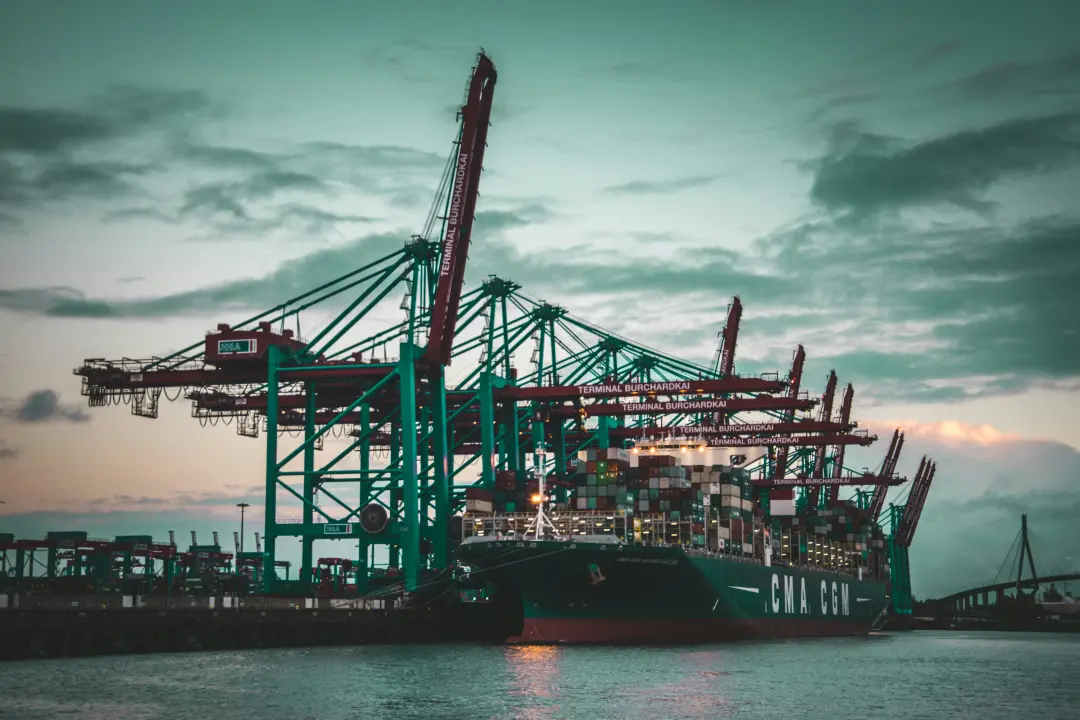
Efficient terminal operations are crucial for moving containers from ships to trucks, rail, and inland destinations. The port complex integrates:
- • Cargo handling and container storage
- • Truck and rail transport
- • Inland distribution networks
Suppliers that offer complete logistics solutions—including terminal pickup and inland delivery—help reduce delays and costs.
Shipping Container Market in Los Angeles
Availability of New and Used Shipping Containers
The supply of containers in Los Angeles depends on port activity and global market trends.
- • New containers are durable and ideal for long-term use.
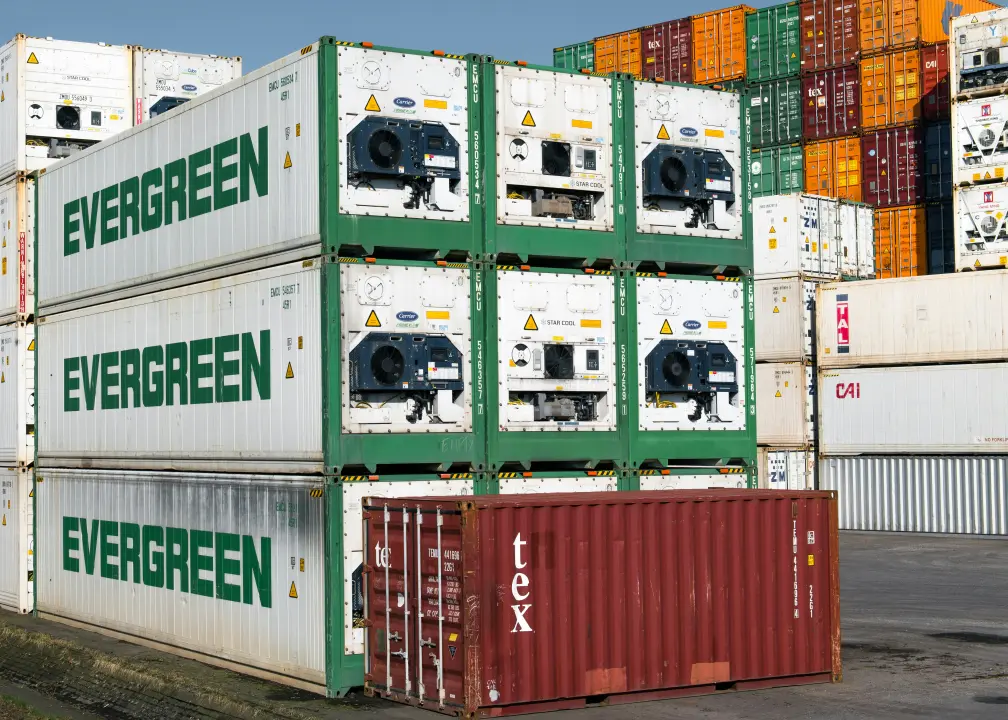
- • Used containers are more affordable and often available more quickly, making them suitable for immediate storage or shipping needs.
By understanding market trends and planning ahead, businesses can secure containers when they need them and avoid delays.
Container Sales Channels and Buying Options
Containers are sold through manufacturers, resellers, and local suppliers near the port. Buyers should consider:
- • Condition and certifications of containers
- • Delivery and transport options
- • Supplier experience with port procedures
Working with suppliers who provide both containers and logistics support ensures a smooth, reliable buying process.
Pricing Factors for Shipping Containers
Container prices vary depending on:
- • Global supply and demand
- • Port congestion
- • Container condition (new vs. used)
- • Transportation and delivery costs
Understanding these factors helps businesses plan budgets, secure better pricing, and make timely purchasing decisions.
Port Congestion, Performance, and Environmental Impact
Congestion and Terminal Delays
The Port of Los Angeles experiences congestion due to high cargo volumes. This can result in delayed container pickups, longer wait times, and higher logistics costs.
The port addresses congestion through appointment systems, improved rail capacity, and better coordination across terminals. Businesses should factor potential delays into their planning to avoid disruptions.
Sustainability and Environmental Initiatives
Environmental responsibility is a growing priority. Programs to reduce air pollution and emissions include:
- • Electrification of cargo-handling equipment
- • Cleaner fuels and low-emission trucks
Companies sourcing containers can support sustainability by choosing providers who offer eco-friendly transport options.
Policy and Infrastructure Improvements
Infrastructure investments and policy initiatives aim to reduce congestion, improve efficiency, and lower emissions. These measures help stabilize container availability and improve supply chain reliability for businesses.
Shipping Logistics: Inland Transport and Distribution
Inland Distribution and Rail Transport
Inland distribution hubs help move cargo away from congested coastal terminals, reducing highway traffic and improving delivery speed. Rail services shift freight from trucks to intermodal transport, enhancing efficiency.
Planning for inland delivery and storage ensures predictable timelines and reduces additional handling costs.
Truck Drayage and Terminal Connectivity
Truck drayage is essential for transporting containers from terminals to nearby facilities, but it can be affected by peak congestion. Reliable carriers and coordinated scheduling improve consistency and reduce delays.
Integrated logistics solutions—including terminal pickup and inland delivery—simplify operations and lower risk for container buyers.
Community and Highway Considerations
Container transport contributes to highway traffic and local emissions. Optimizing delivery routes and using low-emission vehicles helps balance economic benefits with community health.
Future Outlook: Trends and Market Forecast
Post-COVID-19 Supply Chain Resilience
The COVID-19 pandemic highlighted vulnerabilities in global supply chains, emphasizing flexibility and proactive planning. Businesses now prioritize backup suppliers, buffer inventory, and reliable container sourcing.
Innovation and Decarbonization
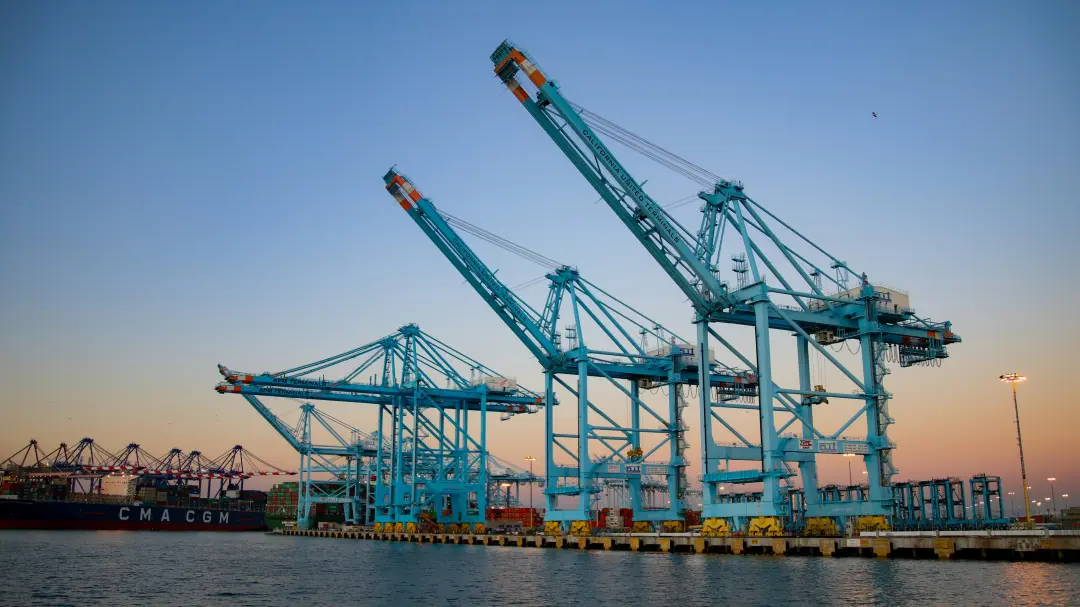
Technological advancements, including electrified cranes, low-emission trucks, and digital logistics systems, are transforming port operations. Companies increasingly prefer partners that provide sustainable, end-to-end solutions.
Strategic Planning for Container Buyers
The Los Angeles container market will continue evolving based on trade demand, infrastructure investments, and environmental regulations. Businesses that plan ahead and partner with experienced suppliers can secure containers efficiently and maintain smooth operations.
Secure Your Shipping Containers in Los Angeles with Four Sons Logistics
At Four Sons Logistics, we provide a comprehensive range of products and services for anyone looking to buy shipping containers in Los Angeles, including:
- • New and used 20ft and 40ft shipping containers
- • Custom container modifications for storage or office use
- • Secure storage options
- • Full-service transport from the Port of Los Angeles and Port of Long Beach to inland destinations
Our team combines high-quality containers with reliable logistics, ensuring your order is delivered safely and on time. Whether you need containers for storage, export, or business operations, Four Sons Logistics provides transparent pricing, dependable delivery, and tailored solutions to meet your supply chain needs.
Get a quote today to secure the right containers and streamline your logistics—keeping your business moving efficiently while avoiding delays at the busiest ports in Southern California.
Frequently Asked Questions About Shipping Containers in Los Angeles
Where can I buy shipping containers in Los Angeles?
Containers can be purchased from local suppliers, manufacturers, or resellers near the Port of Los Angeles or Port of Long Beach. Many providers offer delivery to inland destinations.
How much does a shipping container cost in Los Angeles?
Costs depend on size, condition, and market demand. Used containers are generally cheaper, while new containers offer durability and long-term value.
Are used shipping containers a reliable option?
Yes, used containers are a practical and cost-effective solution for storage and shipping needs. They are widely available in Los Angeles and are often ready for immediate use.
How does port congestion affect container availability?
Congestion can delay pickups, reduce availability, and increase costs. Businesses that monitor port activity can plan better and avoid potential disruptions.
Do suppliers provide delivery and logistics services?
Yes, many suppliers offer full logistics solutions including terminal pickup, truck transport, and inland delivery. This ensures timely and reliable container delivery.
___
Featured image credit: Steve Saunders on Unsplash