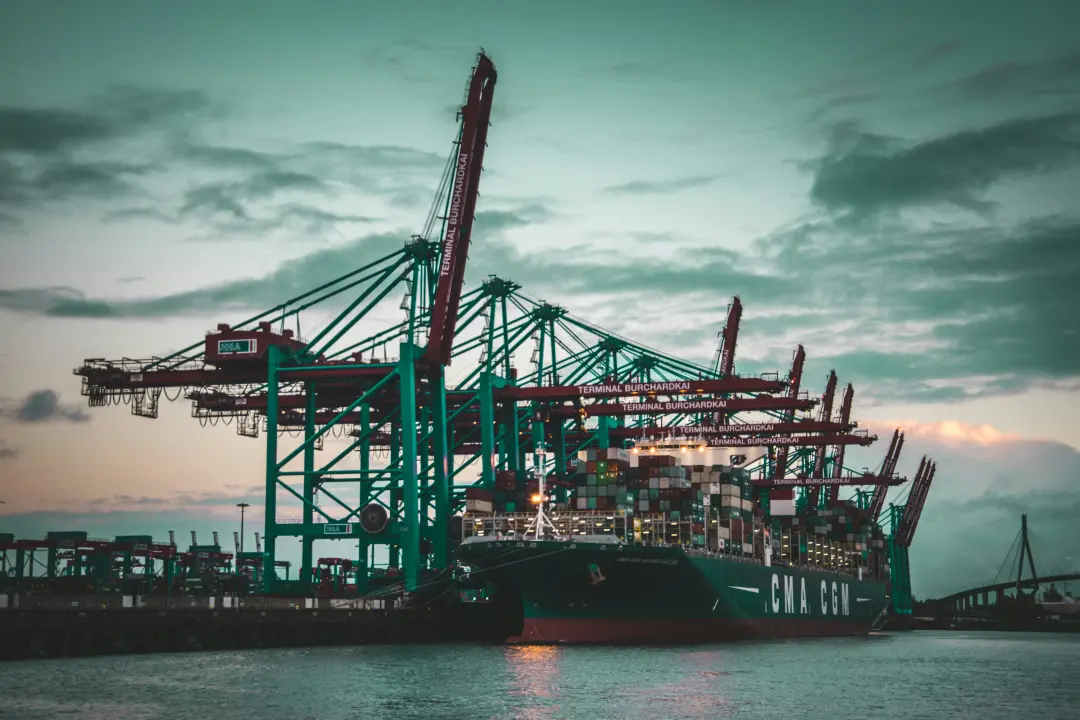
Shipping delays in 2026 are costing businesses time, money, and customer trust. From congested ports and customs bottlenecks to global route disruptions, delays are more frequent and unpredictable than ever.
Wondering how to avoid shipping delays in 2026? This guide shows you proven strategies to reduce risk, improve real-time visibility, and maintain reliable delivery timelines. Learn how to forecast disruptions, reroute shipments, optimize bookings, and leverage logistics tools that keep your supply chain moving smoothly—even during peak seasons.
What Causes Shipping Delays in 2026?
Shipping delays are typically caused by a combination of operational, geopolitical, and demand-driven factors. Understanding these issues early allows businesses to prepare and minimize disruptions.
The most common causes include:
- • Port congestion and cargo backlogs
- • Blank sailings and carrier cancellations
- • Customs clearance delays and documentation errors
- • Geopolitical disruptions (e.g., Red Sea route issues)
- • Equipment shortages (containers and chassis)
- • Sudden spikes in peak season demand
Identifying these risks helps you build contingency plans, reroute shipments, and avoid costly disruptions.
How Can Real-Time Visibility Reduce Shipping Delays?
Real-time visibility is one of the most effective tools for minimizing shipping delays. It allows logistics teams to monitor shipments continuously and respond quickly when disruptions occur.
With better visibility, businesses can reduce uncertainty, improve coordination, and maintain customer confidence even during peak seasons.
Key benefits of real-time tracking include:
- • Live shipment location and status updates
- • Early detection of disruptions before delays escalate
- • Improved carrier performance monitoring
- • Faster customs clearance through early document validation
- • Better communication with customers
To maximize results, integrate your tracking system with carrier data, port updates, and customs processes for end-to-end visibility.
How Do You Forecast and Prevent Shipping Delays?
Accurate forecasting plays a critical role in preventing delays and maintaining supply chain stability. By analyzing trends and planning ahead, businesses can reduce uncertainty and improve decision-making.
Forecasting helps you anticipate demand fluctuations, prepare for peak seasons, and allocate resources more efficiently.
Effective forecasting strategies include:
- • Analyzing historical shipping and demand data
- • Monitoring freight rate trends and capacity changes
- • Planning buffer lead times for high-risk routes
- • Aligning booking schedules with demand forecasts
In addition, maintaining inventory buffers ensures that unexpected delays do not immediately impact your operations or customer commitments.
How Does Proactive Booking Help Avoid Shipping Delays?
In a volatile logistics environment, waiting too long to secure bookings can lead to higher costs and limited availability. Proactive booking ensures access to capacity and reduces the likelihood of disruptions.
It also gives businesses more flexibility to adjust plans when unexpected issues arise.
Benefits of proactive booking:
- • Avoids last-minute rate increases
- • Secures space during peak demand
- • Reduces risk of blank sailings
- • Enables flexible rerouting options
Booking early and working with multiple carriers can significantly improve your ability to adapt to changing conditions.
How Can You Reduce Supply Chain Disruption in 2026?
Building a resilient supply chain requires a combination of diversification, flexibility, and strategic planning. Businesses that rely on a single route or carrier are more vulnerable to disruptions.
Diversify Carriers
Using multiple carriers reduces dependency on a single provider and improves your ability to respond to disruptions. It also gives you leverage when negotiating rates and service terms.
Use Alternative Shipping Routes
Rerouting shipments can help avoid congested ports and high-risk regions. However, it’s important to evaluate trade-offs such as cost, transit time, and customs complexity.
Consider:
- • Transshipment hubs
- • Secondary ports
- • Intermodal transport solutions
Adopt Multi-Modal Logistics
Combining ocean, rail, and air freight increases flexibility and keeps shipments moving even when one mode is disrupted.
This approach helps:
- • Maintain continuity during delays
- • Reduce dependency on ocean schedules
- • Prioritize critical shipments
How to Avoid Customs Clearance Delays in International Shipping
Customs clearance is one of the most common sources of shipping delays. Even small documentation errors can lead to significant disruptions.
A proactive approach to customs processes can help you avoid unnecessary delays and additional costs.
To speed up customs clearance:
- • Ensure accurate commercial invoices and HS codes
- • Prepare complete bills of lading and supporting documents
- • Work with a reliable customs broker
- • Use real-time document verification tools
Avoiding common mistakes—such as incorrect classifications or missing paperwork—can dramatically improve clearance times.
How to Manage Port Congestion and Backlogs
Port congestion continues to be a major challenge in global shipping. Without proper planning, it can significantly extend transit times and increase costs.
Monitoring port conditions and adjusting your strategy accordingly can help reduce the impact of congestion.
Effective strategies include:
- • Tracking port congestion data and carrier schedules
- • Choosing alternative ports with better throughput
- • Optimizing appointment and pickup schedules
- • Communicating proactively with carriers and terminals
These actions help reduce dwell time, avoid demurrage charges, and keep cargo moving efficiently.
How to Manage Freight Rates and Carrier Performance
Balancing cost and reliability is essential in a volatile freight market. Businesses must continuously evaluate carrier performance and pricing strategies.
Understanding how rates and service levels impact your supply chain allows for better decision-making.
Freight optimization tips:
- • Negotiate long-term or volume-based contracts
- • Monitor surcharges and market trends
- • Compare landed cost versus transit time
Key carrier performance metrics:
- • On-time delivery rate
- • Frequency of blank sailings
- • Transit time variability
- • Average port dwell time
Using these metrics helps you select reliable partners and improve overall shipping performance.
Should You Invest in Shipping Containers to Avoid Delays?
Owning or leasing shipping containers can provide greater control over your logistics operations, especially during periods of high demand and equipment shortages.
This strategy allows businesses to reduce reliance on congested ports and improve cargo handling efficiency.
Benefits of container ownership:
- • Increased storage flexibility near demand centers
- • Reduced dependency on port infrastructure
- • Faster consolidation and distribution
- • Protection against equipment shortages
Both new and used containers offer cost-effective solutions depending on your operational needs.
What Are the Best Real-Time Visibility Platforms for Shipping?
Modern logistics operations rely heavily on visibility platforms to maintain control and reduce uncertainty. These tools provide centralized data that supports faster and more informed decision-making.
Key features to look for:
- • End-to-end shipment tracking
- • Integration with carriers and port systems
- • Real-time customs updates
- • Automated alerts for delays
With the right platform, businesses can improve efficiency, enhance customer communication, and minimize the impact of disruptions.
How to Prevent Shipping Delays in 2026 and Improve Delivery Performance
Preventing shipping delays in 2026 requires a combination of proactive planning, real-time visibility, and strategic execution. Businesses that take a data-driven approach can reduce risks, control costs, and maintain reliable delivery timelines.
At Four Sons Logistics, we help businesses:
- • Optimize shipping routes and carrier strategies
- • Implement real-time tracking solutions
- • Streamline customs clearance processes
- • Provide access to new and used shipping containers
- • Improve delivery efficiency across major ports and inland hubs
With our tailored shipping container solutions, you can store, stage, and transport cargo more efficiently, reduce dependency on congested ports, and maintain on-time deliveries—even during peak seasons.
Ready to reduce delays and strengthen your supply chain?
Request a quote today and discover how our new and used shipping containers and logistics expertise can give your business operational flexibility and reliable delivery performance in 2026.
FAQ: Shipping Delays, Ocean Freight Backlogs, and Real-Time Visibility (2026)
Why are shipping delays so common in 2026?
Shipping delays are driven by port congestion, geopolitical disruptions, carrier capacity issues, and customs inefficiencies. Increased global demand and equipment shortages also contribute to ongoing delays.
How can I avoid shipping delays for international shipments?
To reduce costly delays:
- Use real-time tracking tools
- Book shipments early
- Diversify carriers
- Ensure accurate documentation
- Maintain inventory buffers
What is real-time visibility in logistics?
Real-time visibility refers to tracking shipments live using integrated systems that combine carrier, port, and GPS data. It enables faster responses to disruptions.
How does port congestion affect shipping times?
Port congestion increases dwell time and creates backlogs, delaying unloading and extending delivery timelines by days or weeks.
What is the best way to prevent customs clearance delays?
Ensure accurate documentation, work with an experienced customs broker, and use automated verification tools to minimize errors and speed up clearance.
___
Featured image credit: Nikola Gladovic on Unsplash