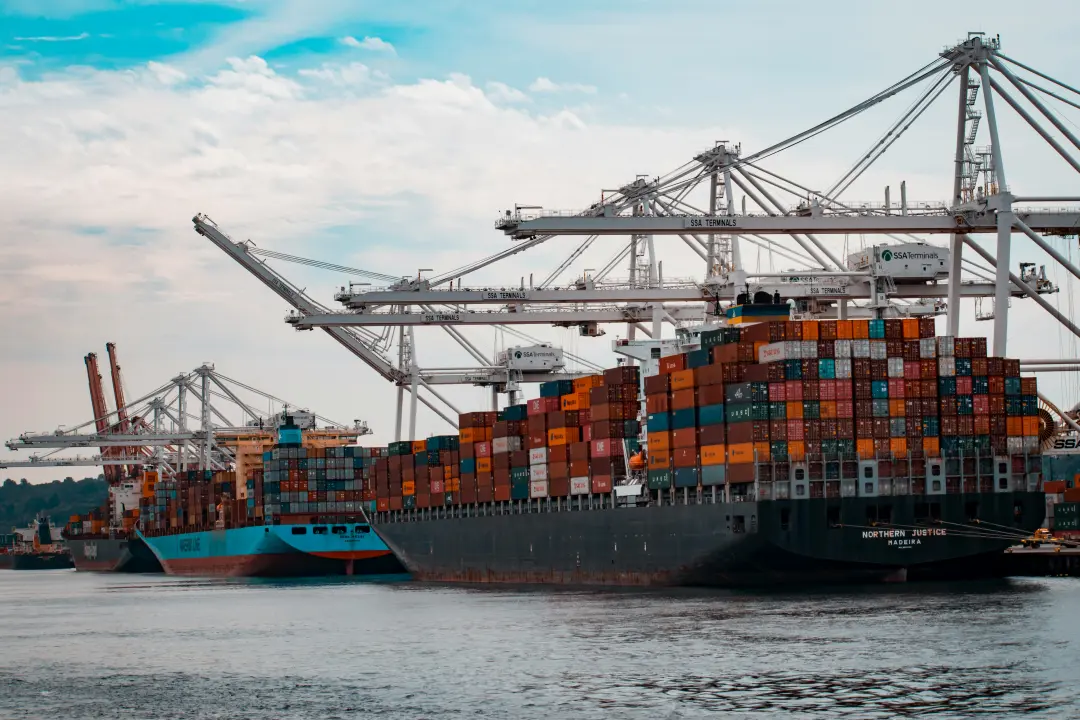
Shipping container delays in the U.S. — what’s causing them right now — stem from a complex mix of global port congestion, shifting carrier capacity, and local bottlenecks at major ports. Businesses searching for shipping containers for sale or looking to buy used shipping containers face not only purchasing decisions but also uncertainty in delivery timelines.
Understanding the root causes of port congestion — from weather disruptions to real-time port congestion analytics — helps shippers reduce delays and improve supply chain performance.
What Is Port Congestion and Why It Causes Shipping Delays
Port congestion happens when cargo volume exceeds a port’s capacity to handle containers efficiently, leading to vessel queues, delayed unloading, and longer gate-out times.
Real-Time Port Congestion Status at Major U.S. Ports
Port congestion at major U.S. ports fluctuates based on vessel arrivals, berth availability, and trucking capacity. Using real-time port congestion trackers for U.S. ports, shippers can anticipate delays and adjust logistics plans accordingly.
How Shipping Delays Impact the Global Supply Chain
Shipping delays create ripple effects across the supply chain, including:
- • Inventory shortages
- • Missed retail deadlines
- • Increased freight and storage costs
Tracking real-time port delay analytics for shippers helps businesses stay ahead of disruptions.
Main Causes of Port Congestion and Container Shipping Delays
Understanding the causes of port congestion is key to mitigating its impact.
Labor Shortages and Truck Driver Capacity Issues
A shortage of dockworkers and truck drivers slows container handling and increases turnaround times. This is one of the biggest contributors to shipping container delays in the U.S. today.
Weather Events and Unexpected Shipping Disruptions
Storms, hurricanes, and fog can halt port operations and delay vessels. These disruptions often require rerouting shipments and adjusting schedules using predictive analytics.
Port Infrastructure Bottlenecks and Limited Capacity
Outdated infrastructure, limited berths, and yard congestion reduce throughput. Without modernization, ports become recurring choke points in global trade.
How Real-Time Port Congestion Data Helps Predict Shipping Delays
Using Port Congestion Trackers and Analytics Tools
Modern tools analyze vessel movements, container volumes, and port activity to predict delays. These predictive port delay analytics tools for shippers improve planning accuracy and reduce risks.
Improving Carrier and Shipper Coordination
Collaboration between carriers, shippers, and logistics providers ensures:
- • Faster container pickups
- • Better warehouse coordination
- • Reduced detention and demurrage fees
Predictive Analytics for Smarter Shipping Decisions
By combining historical and real-time data, businesses can:
- • Choose less congested routes
- • Adjust shipping schedules
- • Optimize inventory planning
Effects of Global Port Congestion on Freight Rates and Trade
Rising Freight Costs and Shipping Rate Volatility
Port congestion drives up freight costs due to limited vessel space and increased demand. Businesses often face higher spot rates and fewer carrier options.
Disruptions to Global Trade and Supply Chain Efficiency
Congestion at major ports affects global trade routes, forcing carriers to reroute or cancel sailings. This impacts delivery timelines worldwide.
Delays in Container Port-to-Gate Operations
Longer dwell times at ports delay inland transportation and last-mile delivery. Efficient port operations are critical for maintaining supply chain flow.
Strategies to Mitigate Shipping Container Delays and Port Congestion
Using Alternative Routes and Less Congested Ports
One of the best strategies to mitigate shipping container delays in the U.S. is routing cargo through less congested ports or using multimodal transport options like rail.
Building Inventory Buffers for Supply Chain Resilience
Maintaining safety stock and diversifying shipments helps businesses avoid disruptions caused by unexpected delays.
Buying Used Shipping Containers for Storage and Flexibility
Businesses facing port delays often look to buy used shipping containers for overflow storage. This helps reduce demurrage costs and improve cargo handling flexibility.
How to Navigate Port Congestion and Reduce Shipping Delays in the U.S.
Port congestion continues to challenge global supply chains, impacting delivery timelines, freight costs, and overall logistics efficiency. From labor shortages and weather disruptions to infrastructure limitations, multiple factors contribute to ongoing shipping container delays at major U.S. ports.
However, businesses that leverage real-time port congestion trackers, predictive analytics, and flexible logistics strategies are better positioned to stay ahead. Optimizing routes, improving coordination with carriers, and maintaining adaptable inventory solutions can significantly reduce the impact of delays.
For companies seeking reliable solutions, Four Sons Logistics offers access to high-quality shipping containers and logistics support tailored to today’s supply chain challenges. Whether you need to buy shipping containers for storage, manage overflow inventory, or streamline deliveries, having the right partner makes all the difference.
Ready to reduce delays and improve your shipping efficiency? Get a quote today and discover how Four Sons Logistics can support your container and logistics needs.
Frequently Asked Questions About Port Congestion and Shipping Container Delays in the U.S.
What is port congestion and why does it cause shipping delays?
Port congestion happens when the volume of cargo exceeds a port’s handling capacity, leading to vessel queues, delayed unloading, and longer wait times for trucks. This creates bottlenecks that slow down the entire supply chain and delay shipments.
What are the main causes of shipping container delays in the U.S.?
The most common causes include labor shortages, limited truck driver availability, weather disruptions, and port infrastructure bottlenecks. Fluctuations in global demand and carrier capacity also contribute to ongoing delays.
How can businesses reduce the impact of port congestion?
Businesses can minimize delays by using real-time port congestion trackers, diversifying shipping routes, working with flexible carriers, and maintaining safety stock. Planning ahead and using predictive analytics also helps avoid major disruptions.
Is it a good idea to buy used shipping containers during port congestion?
Yes, many businesses choose to buy used shipping containers for storage during delays. This helps manage overflow inventory, reduce demurrage fees, and keep operations running smoothly while waiting for shipments.
How can Four Sons Logistics help with shipping container delays?
Four Sons Logistics provides access to new and used shipping containers, along with logistics support to help businesses navigate delays. Their solutions include container supply, coordination, and flexible options to keep your supply chain moving efficiently.
___
Featured image credit: Andy Li on Unsplash