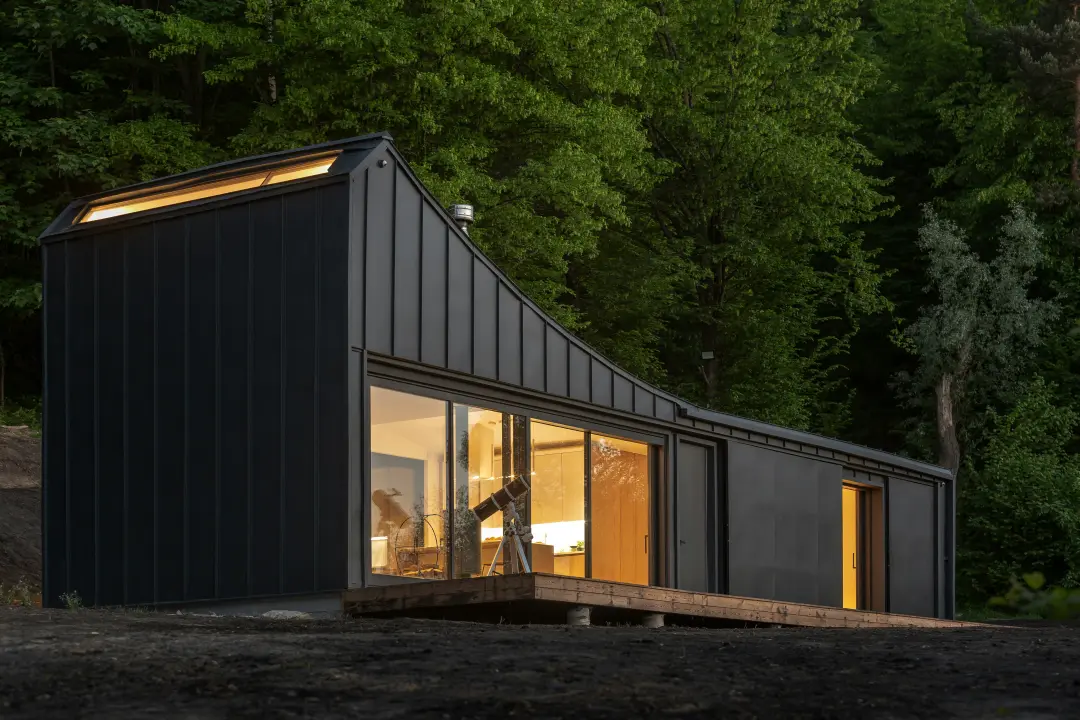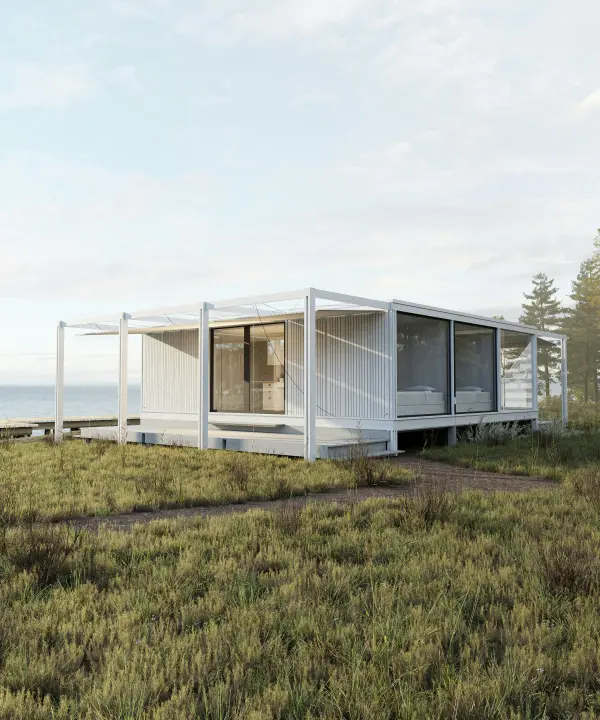
Whether you’re considering storage container options or planning to build shipping container homes, one of the first questions homeowners and businesses ask is: Do you need permits for a shipping container on your property? Whether you’re looking at shipping containers for sale, used shipping containers, or converting a new or used shipping container into a structure, understanding building permit requirements, local building codes, and zoning laws is essential before placing a container.
This guide explains the key terms and long-tail topics related to shipping container zoning, permits for a shipping container, and regulations for shipping containers. It also clarifies when you may need a building permit, temporary use permit, or approval from your local zoning office. We highlight the differences between residential placement, cargo containers used for storage, and shipping container houses versus storage container use—helping you stay compliant with local zoning and building code requirements.
Shipping Container Zoning: Do You Need a Permit to Place a Shipping Container?
Building Permit Requirements
Many municipalities require property owners to meet building permit requirements before placing a container—especially when it will be used as a container structure and not temporary storage.
A building permit for a shipping container may be required when:
- • The container will be used as a permanent structure.
- • You plan to connect utilities (electricity, water, plumbing).
- • The container is being modified for occupancy (e.g., shipping container home, office).
- • The container will remain on your property long-term rather than temporary use.
- • Local zoning requires review to ensure compliance with shipping container zoning laws.
Always confirm requirements with your local building department to avoid fines or removal orders.
Zoning Laws and Local Zoning
Zoning laws determine whether a shipping container is allowed in a residential area—or if it’s restricted to commercial or industrial zones.
Local zoning regulations for shipping containers often include:
- • Whether containers are permitted on residential property.
- • Required setbacks from property boundaries.
- • Visual screening or camouflage requirements.
- • Limits on container size or number of units.
- • Approved uses—such as shipping container used for storage vs. housing or retail.
Check with your local zoning office to confirm which rules apply to your parcel.
Shipping Container Zoning Laws
Shipping container zoning laws vary dramatically across jurisdictions.
Zoning laws for placing a container on your property may depend on:
- • Your city, county, or rural zoning classification.
- • How the container will be used—storage, accessory structure, or dwelling.
- • Whether national standards (IBC, IRC) influence local decisions.
- • Whether the zoning office must issue a written determination for your address.
When in doubt, request written clarification from the zoning and building department.
When a Shipping Container Permit May Not Be Required
Some situations may not require a permit:
- • Temporary storage during moving or home renovations
- • Construction site containers
- • Agricultural or rural zoning areas
- • Industrial or commercial zones with existing permits
Some municipalities allow containers temporarily without permits, typically for 30–90 days.
How Much Does a Shipping Container Permit Cost?
Permit costs vary by location and container use. Typical ranges include:
- • $25 – $100 registration fee
- • $100 – $500 building permit fee
- • Zoning review or site plan fees
Tip: Long-term placement usually requires full permits; temporary storage may be cheaper or free.
How to Get a Shipping Container Permit (Step-by-Step)
- Contact your local zoning or planning office
- Confirm allowed zoning classification
- Submit a site plan showing container placement
- Provide container size and intended use
- Submit building permit application
- Schedule inspections if required
Tip: Include site plans, foundation details, and container dimensions for faster approval.
What Happens If You Place a Shipping Container Without a Permit
Ignoring permit rules can lead to:
- • Notice of violation
- • Daily fines ($100–$500/day)
- • Forced removal orders
- • Property liens in extreme cases
Tip: Compliance protects your investment and prevents enforcement issues.
Shipping Container Permit Rules by Location
Zoning and permit requirements vary by state, city, and county. Examples:
- • California: Residential permits often required, temporary exceptions available
- • Texas: Industrial areas more flexible; residential rules stricter
- • Florida: Zoning + HOA rules may apply
- • Rural Counties: Often more flexible, but still check local ordinances
Placing a Container on Residential Property
Container in a Residential Area
- • Permanent containers often face stricter rules than commercial zones
- • Check HOA rules and neighborhood covenants
- • Temporary permits may be available for short-term storage
Permit Requirements and Temporary Permits
- • Some areas allow temporary use permits for construction or moving
- • Full building permits are required for long-term or habitable structures, including shipping container homes
Neighborhood Guidelines and HOAs
- • HOAs may restrict placement, color, or number of containers
- • Screening, landscaping, or neighbor approval may be required
Commercial and Agricultural Uses
Commercial Property Guidelines
- • Containers are popular for storage, retail pop-ups, or site offices
- • Must comply with building codes, fire access, and sometimes special permits
Containers on Agricultural or Rural Land
- • May be allowed as accessory structures
- • Check setbacks, visibility, and environmental rules
Use Permit and Variance Process
- • Apply for a variance if zoning conflicts exist
- • Public review and community input may be required
- • Process may take weeks to months
Buying and Installing Containers
Shipping Containers for Sale and Used Containers
- • Compare new vs. used containers based on project needs;
- • Inspect for rust, dents, leaks, or structural damage
- • Check CSC certification and seller disclosures
Installation, Foundation, and Anchors
- • Foundation type depends on purpose (storage vs. home/office)
- • Ensure level placement, drainage, and anchoring per local codes
- • Include foundation plans in permit applications
Maintenance and Ongoing Compliance
- • Inspect regularly for rust, leaks, and structural issues
- • Keep permit and inspection documentation
- • Maintain anchors and utility connections
Start Your Shipping Container Project with Confidence
Before placing a shipping container on your property, check local permits, zoning laws, and building codes to avoid fines and delays. Whether it’s for temporary storage, a container home, or commercial use, proper planning is essential.
Four Sons Logistics offers new and used shipping containers, reliable delivery, and expert guidance for residential and commercial projects. Request a quote today to get the right container, delivered fast, with permit-friendly placement.
Frequently Asked Questions About Shipping Container Permits
Do you need a permit for a 20ft shipping container?
Usually yes, especially if it will remain long-term, be modified, or connected to utilities. Temporary storage containers may not require a permit depending on local zoning laws.
Can I put a shipping container in my backyard?
Depends on zoning, setbacks, and HOA rules. Some residential areas allow temporary storage containers, while permanent placement usually requires a building permit.
Are shipping containers allowed in residential zones?
Sometimes, but placement and usage are regulated. Containers used as homes or offices almost always require a permit.
Do temporary storage containers require permits?
Often not, especially for short-term moves or construction projects. Some municipalities may require a temporary use permit.
How long can a shipping container stay on your property?
Temporary storage containers are usually allowed for 30–90 days. Permanent placement or container homes/offices require a building permit and zoning approval.
Do I need a permit to convert a shipping container into a home?
Yes. Most jurisdictions require building permits, inspections, and compliance with residential codes (IRC/IBC).
Can I use a shipping container for a commercial office or retail space without a permit?
Usually not. Temporary use may be allowed in some commercial zones, but most cities require a special-use or building permit for long-term commercial placement.
___
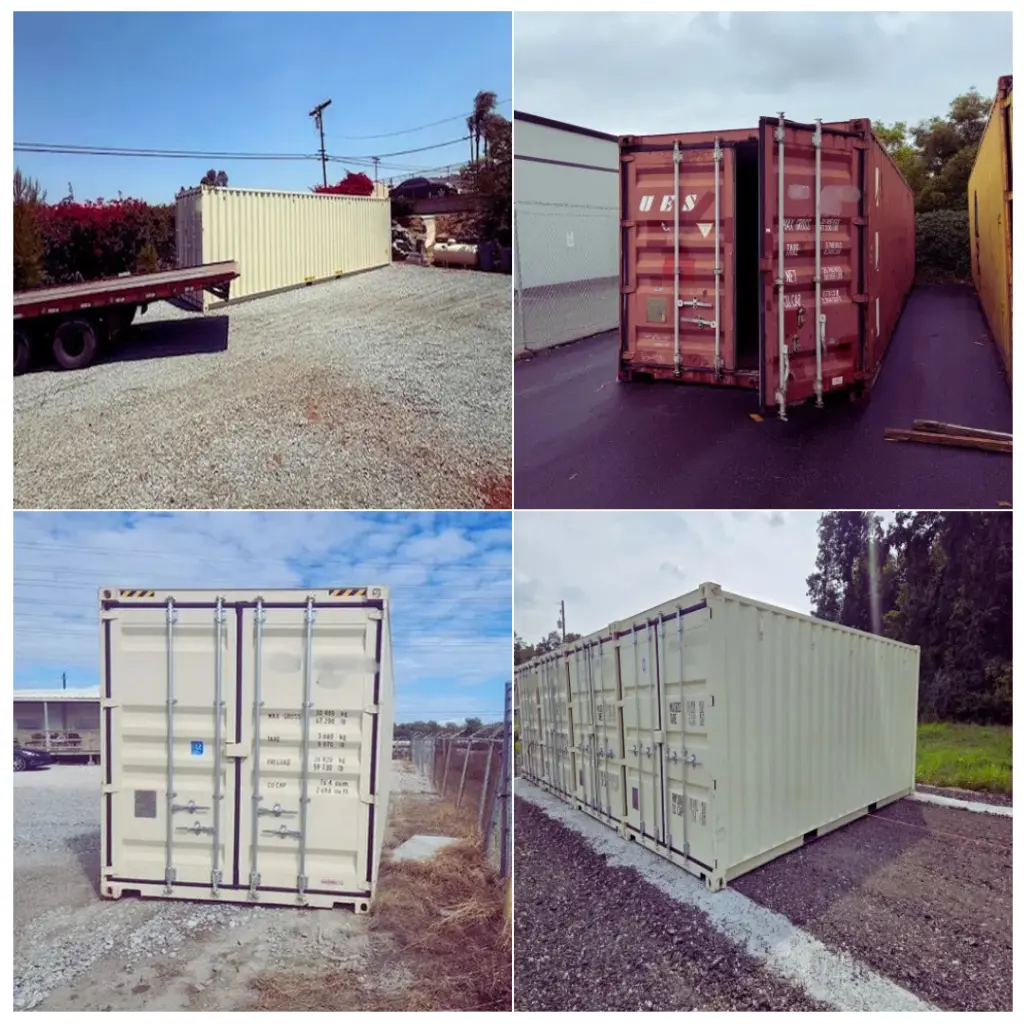
All images are original Four Sons Logistics delivery photos.