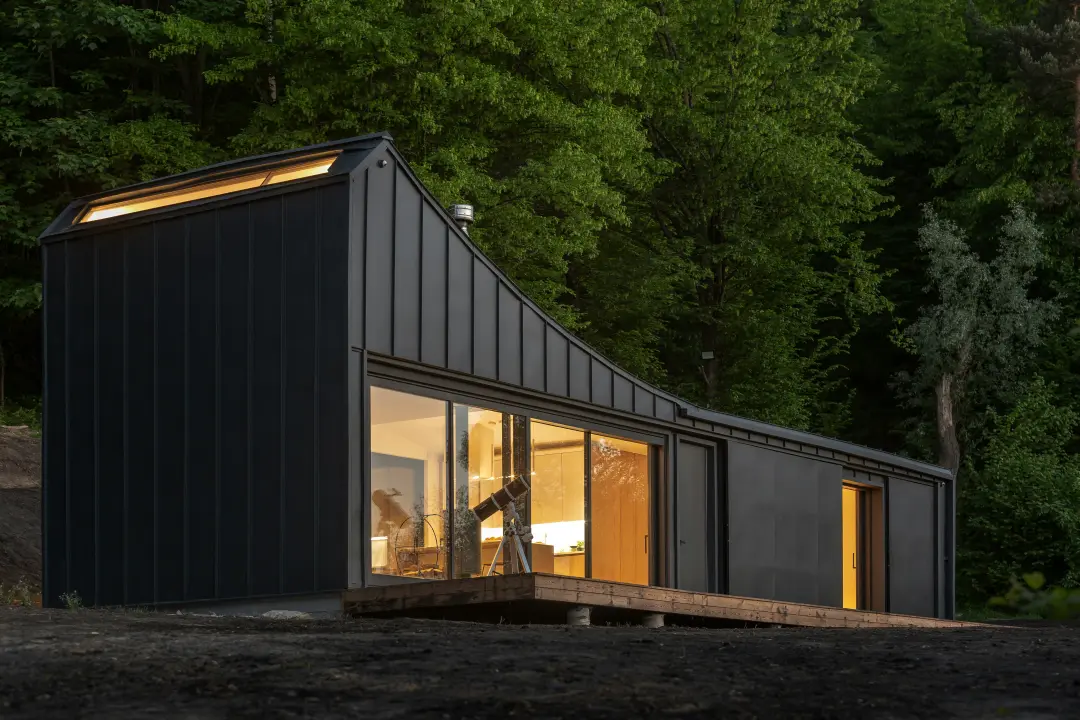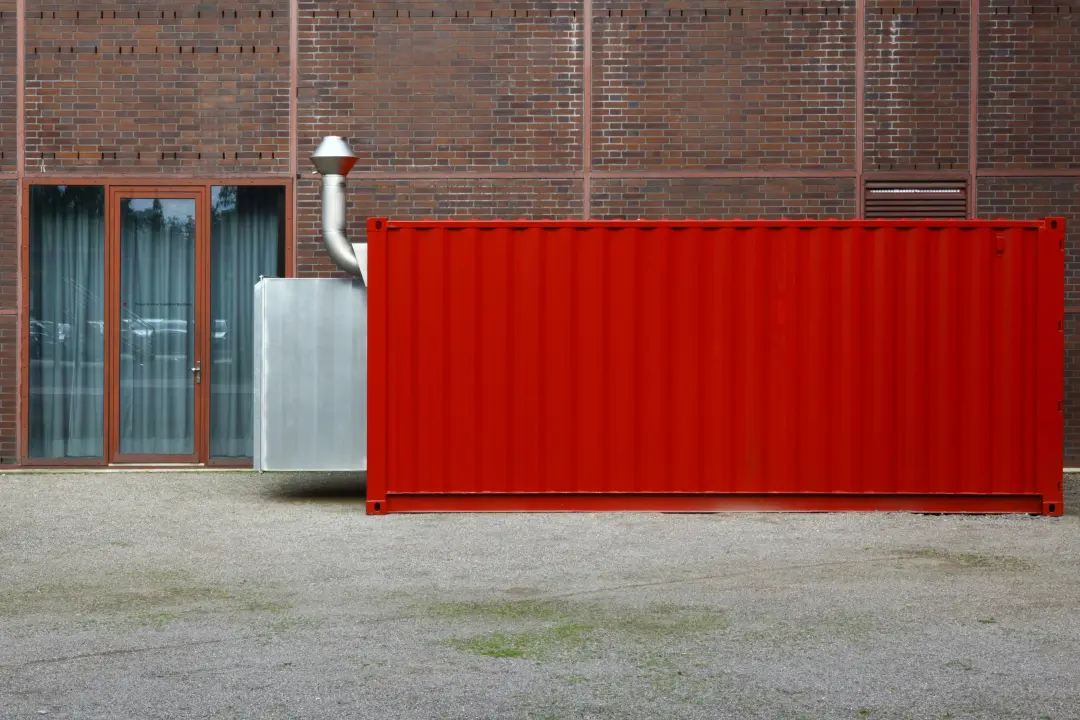
Looking to buy a used shipping container or explore shipping containers for sale and need clear, step-by-step guidance on permits? This guide covers permit application basics, local zoning and building department processes, and International Building Code (IBC) and International Residential Code (IRC) considerations so you can confidently place a container or build a shipping container home in compliance with local regulations.
Whether you plan to use a storage container for on-site storage, convert a cargo container into a container house, or build a shipping container home as a tiny home or full residence, this guide explains permit requirements, local building codes, and zoning laws in practical, actionable steps.
Do You Need a Permit for a Shipping Container?
Short Answer:
Yes — in most jurisdictions, a permit is required if the container is placed long-term, modified, connected to utilities, or used as a residence.
You may need:
- • A zoning review
- • A temporary use permit (for short-term storage)
- • A building permit (for permanent placement or modifications)
- • Engineered plans (for structural changes)
Always confirm with your local building department before delivery.
How to Get a Shipping Container Permit (Step-by-Step)
Step 1: Contact Your Local Zoning Office
Ask:
- • Are shipping containers allowed in my zoning district?
- • Are they considered accessory structures?
- • Are there size or quantity limits?
- • What are the setback requirements?
Request written confirmation if possible.
Step 2: Prepare Required Documents
Most building departments require:
- • Site plan showing container placement
- • Foundation or anchoring details
- • Elevation drawings (if modified)
- • Structural engineering plans (if cutting openings)
- • Utility plans (if electrical/plumbing is added)
If converting to a container home, plans must comply with the International Residential Code (IRC).
Commercial projects must follow the International Building Code (IBC).
Step 3: Submit Application and Pay Fees
Submit your application with required fees. Plan review may take several weeks depending on your jurisdiction.
Step 4: Schedule Inspections
If approved, you may need inspections for:
- • Foundation
- • Structural framing
- • Electrical
- • Plumbing
- • Final inspection
You’ll receive final approval or a certificate of occupancy if required.
Shipping Container Zoning Laws Explained
Shipping container regulations vary widely.
Some cities:
- • Allow temporary storage containers without a full permit
- • Restrict permanent residential container homes
- • Limit containers to industrial or commercial zones
Others treat containers as:
- • Accessory structures
- • Temporary storage units
- • Permanent buildings requiring full compliance
Always verify:
- • Zoning designation
- • Setbacks
- • Height restrictions
- • HOA rules (if applicable)
Failure to comply can result in fines or forced removal.
Building Code Requirements for Container Structures
Structural Modifications
Cutting doors, windows, or removing walls affects structural integrity.
Most jurisdictions require:
- • Engineered reinforcement plans
- • Welding documentation
- • Load path verification
Fire and Safety Requirements
Container homes must meet:
- • Egress window requirements
- • Fire separation standards
- • Insulation and energy code standards
- • Ventilation requirements
Foundations and Anchoring
Containers typically require:
- • Concrete slab
- • Pier foundation
- • Anchored footings
Simply placing a container on blocks may not meet code in many areas.
Temporary vs. Permanent Shipping Container Permits
| Use Type | Permit Typically Required? |
|---|---|
| Short-term construction storage | Often temporary permit |
| Backyard storage (long-term) | Usually yes |
| Modified container office | Yes |
| Shipping container home | Yes + engineered plans |
Best Practices to Avoid Permit Problems
- • Contact zoning before purchasing
- • Buy from reputable container suppliers
- • Inspect used containers for structural damage
- • Hire a structural engineer for modifications
- • Keep all documentation and inspection records
Proactive planning prevents delays, fines, and costly removals.
Four Sons Logistics – Products, Service Areas, and Permit Support
Ready to move forward with your container project? Four Sons Logistics offers a wide selection of shipping containers for sale, including 20-foot and 40-foot units, insulated options, and modified container solutions. We support customers across our delivery service areas with reliable logistics for both local and regional projects.
Whether you’re purchasing a used shipping container for storage or planning a fully permitted container home, we provide condition reports, transport coordination, and expert guidance to ensure compliance with local zoning and building codes.
Contact Four Sons Logistics today to request a quote and learn how our inventory, delivery network, and permit-ready support can make your container project seamless and hassle-free.
FAQ: Do I Need a Permit for a Shipping Container?
Do I need a permit to put a shipping container on my property?
In most cities, yes — especially if the container is permanent, modified, or connected to utilities. Temporary storage may require a short-term permit depending on local zoning laws.
Are shipping container homes legal?
Yes, but they must comply with local zoning regulations and meet International Residential Code (IRC) requirements. Engineered plans and inspections are typically required.
How much does a shipping container permit cost?
Permit costs vary by location but typically range from a few hundred to several thousand dollars depending on project complexity, structural modifications, and local fees.
Can I place a shipping container in my backyard without a permit?
Some areas allow short-term placement without a permit, but long-term storage or residential use almost always requires zoning approval and possibly a building permit.
What inspections are required for a container home?
Container homes usually require foundation, structural, electrical, plumbing, and final inspections before receiving approval or a certificate of occupancy.
___
Featured image credit: Wilhelm Gunkel on Unsplash