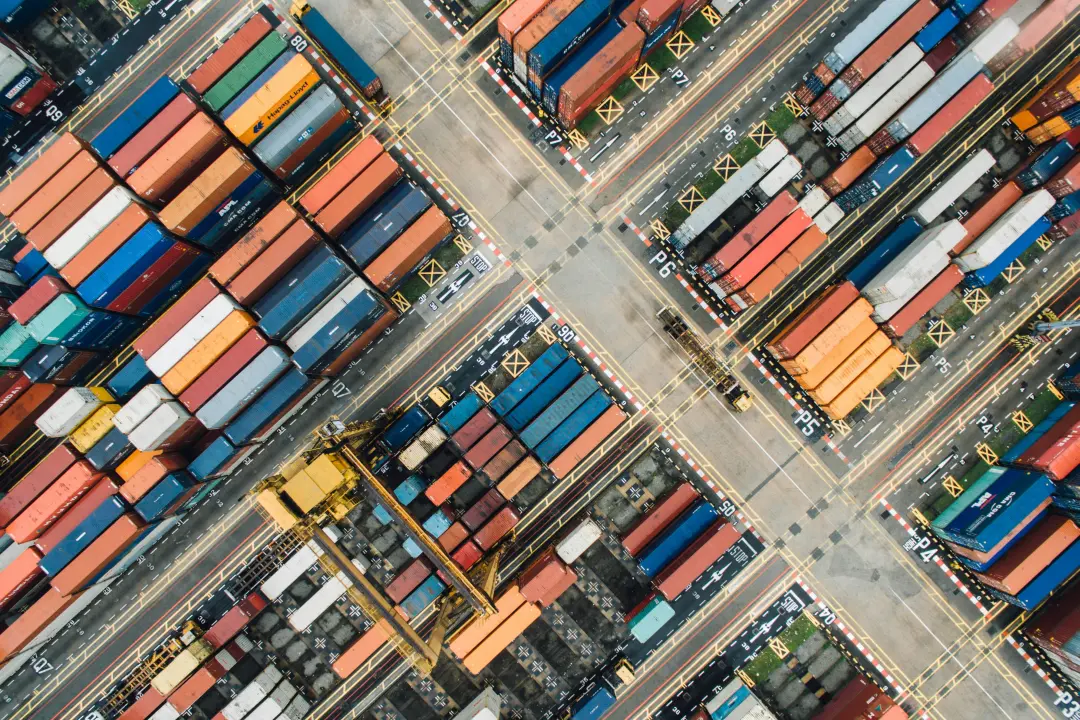
The 2026 outlook for U.S. shipping container prices and supply reflects three forces: global trade recovery, carrier capacity expansion, and evolving trade policy. After volatility in 2024–2025 driven by blank sailings, Red Sea disruptions, and port congestion, freight networks are stabilizing. Shippers are closely monitoring container availability, pricing trends, and freight rates for signals of sustained demand or renewed oversupply.
Market data indicates downward pressure on freight rates due to expanding vessel capacity. However, persistent schedule reliability challenges and congestion may continue to support premium spot rates on select trade lanes. Companies sourcing new or used shipping containers should track TEU capacity growth, tariff changes, and routing shifts such as Suez Canal versus Cape of Good Hope diversions.
Container Ship Capacity Growth in 2026
Newbuild vessel deliveries and returning capacity are increasing global supply and pressuring rates in several trade lanes. Carriers continue using blank sailings and network adjustments to manage utilization. Excess TEU capacity may further suppress spot rates through 2026, making capacity monitoring essential for procurement and contract strategy.
Container Supply and Demand Conditions
Availability of empty, new, and used containers is improving after prior shortages. This easing supply environment is moderating price pressure and improving export logistics. Demand remains uneven across regions, with congestion at some ports and oversupply in others. Planning must account for seasonality, repositioning costs, and terminal performance.
Global Shipping Outlook for 2026
Global trade volumes are expected to recover moderately, though geopolitical risk and tariff uncertainty will continue shaping routing and carrier deployment decisions. Monitoring schedule reliability and blank sailings remains critical for anticipating rate changes.
Port Congestion and Supply Chain Disruption
Port congestion continues to influence transit times and logistics costs across U.S. trade lanes. Terminal bottlenecks increase dwell times and complicate cargo flow planning. Capacity adjustments by carriers can temporarily tighten container availability and create rate volatility.
Logistics Strategies to Reduce Risk
Shippers are adopting diversified routing, buffer inventory, and multimodal transport to reduce disruption exposure. Air freight remains a premium option for time-sensitive cargo. Flexible contracts and strong carrier partnerships improve resilience in unstable market conditions.
Trade Policy and Tariff Impact
Changes in tariffs and trade policy can quickly alter cargo flows and container demand across regions. Businesses must remain agile in sourcing strategies, carrier selection, and procurement planning.
New and Used Shipping Container Market
Production levels directly influence container availability and pricing. Increased manufacturing is stabilizing supply, though lead times and material costs remain factors. Buyers should evaluate condition, certification, and total landed cost when sourcing containers.
Container Price Trends
After pandemic-era price spikes, container markets are stabilizing. However, disruptions such as congestion or rerouting can temporarily increase rental costs and spot rates. Monitoring TEU capacity metrics and carrier announcements remains essential.
Freight Rate Trends and Carrier Strategy
Freight rates remain volatile despite oversupply pressure. Carriers continue using blank sailings and network optimization to stabilize yields. Shippers should balance contract and spot exposure to manage risk and capture favorable pricing.
Trade Lane Shifts and Routing Decisions
Routing changes linked to Red Sea security risks and Suez Canal access are affecting transit times, fuel costs, and lane-level capacity balance. Diversified routing strategies can reduce delay risk and improve delivery reliability.
Preparing for 2027: Strategic Planning Priorities
Long-term planning should include capacity forecasts, production trends, and policy developments. Investment in digital visibility tools and data-driven procurement improves resilience and decision-making.
Action Steps for Shippers
- • Monitor capacity and spot rate trends
- • Maintain flexible freight contracts
- • Diversify routing and carriers
- • Track port congestion indicators
- • Use market intelligence for procurement timing
2026 Container Shipping: Key Takeaways and Strategic Outlook
The 2026 container shipping market is entering a stabilization phase shaped by expanding vessel capacity, improving container availability, and persistent geopolitical and routing risks. While structural overcapacity is likely to maintain downward pressure on freight rates, localized congestion, tariff shifts, and schedule reliability challenges will continue to create volatility across trade lanes. Shippers that prioritize flexible procurement, diversified routing, and data-driven market monitoring will be best positioned to manage costs and protect supply chain performance through 2026 and into 2027.
Organizations seeking dependable container supply, competitive pricing, and adaptable freight solutions can strengthen resilience by partnering with experienced logistics providers such as Four Sons Logistics, which supports container sourcing, carrier coordination, and end-to-end supply chain planning across U.S. trade lanes. Request a quote today to secure reliable capacity and tailored shipping solutions for 2026 and beyond.
FAQ: 2026 Container Shipping Market Outlook
Will container shipping rates go down in 2026?
Freight rates are expected to face downward pressure due to increased vessel capacity and improving container availability. However, congestion, blank sailings, and geopolitical disruptions may still cause temporary rate spikes on specific trade lanes.
Why is container availability improving after recent shortages?
Higher container production, returning vessel capacity, and easing supply chain bottlenecks are increasing the availability of empty, new, and used containers globally. This shift is helping stabilize container prices compared with peak pandemic-era levels.
How do geopolitical events affect container shipping costs?
Geopolitical disruptions can alter trade routes, increase transit times, and shift supply-demand balances across lanes. For example, rerouting around the Suez Canal via the Cape of Good Hope increases fuel costs and vessel utilization, which can raise freight rates and reduce schedule reliability.
Is 2026 a good time to buy new or used shipping containers?
Improving supply conditions and moderating prices suggest more favorable purchasing conditions compared with prior years. Buyers should still evaluate total landed cost, including delivery, certification, and modification expenses.
What strategies help shippers manage volatility in 2026?
Best practices include diversifying carriers and routes, maintaining flexible freight contracts, monitoring port congestion and capacity trends, and using market intelligence tools to time procurement and manage risk.
___
Featured image credit: CHUTTERSNAP on Unsplash