Buying a shipping container can be a smart investment for businesses, homeowners, and contractors who need reliable storage or transport solutions. Shipping containers come in different sizes, and not every buyer requires a brand-new container. Many people choose as-is shipping containers because they offer lower prices while still providing strong structural durability.
An as-is container is typically a used shipping container sold in its current condition, without repairs or refurbishment. While these containers may show signs of wear from previous cargo use, they remain a popular option for storage, construction projects, farms, and workshops. Choosing the different container that best fits your space, cargo, or storage needs is essential for long-term utility and cost-effectiveness.
This comprehensive guide explains everything you need to know before purchasing a shipping container, including container grades, inspection tips, delivery considerations, and the differences between 20-foot and 40-foot containers.
What Does “As-Is” Mean When Buying a Shipping Container?
An as-is shipping container is sold exactly in its current condition. This means the seller does not guarantee cosmetic appearance or perform repairs before the sale.
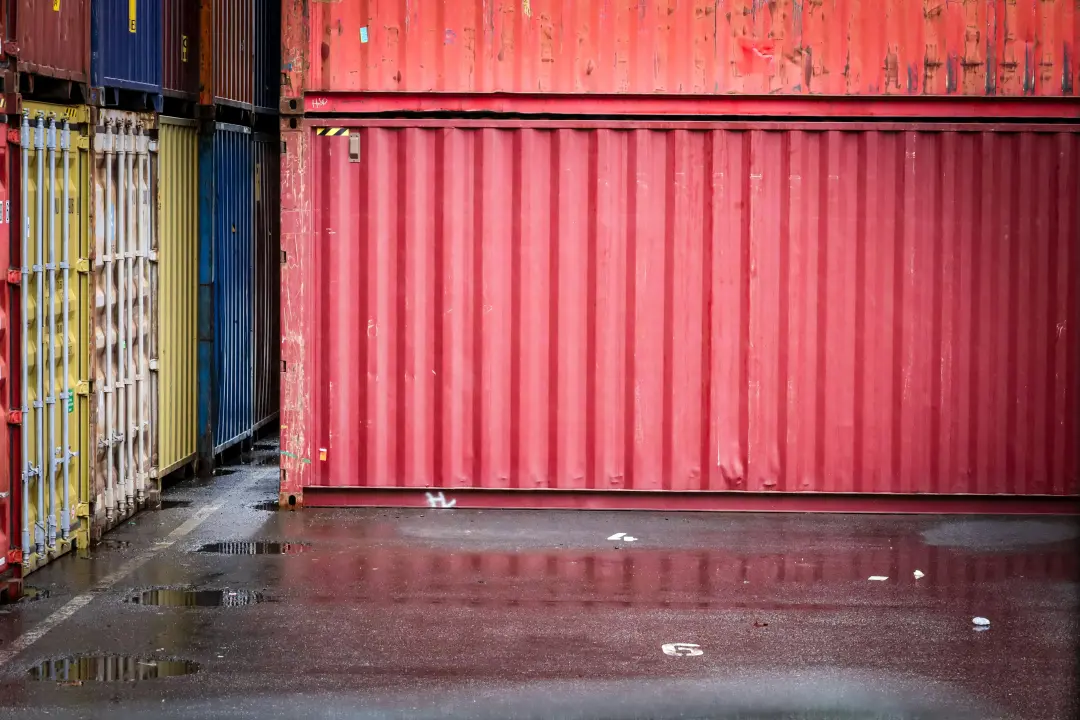
Because these containers have already been used for cargo transport, they may show signs of:
- • Surface rust
- • Dents or scratches
- • Faded paint
- • Minor floor wear
- • Residue from previous cargo
Despite these imperfections, many as-is containers remain structurally sound and suitable for storage or modification projects.
Why As-Is Containers Are Cheaper
As-is units are typically cheaper than refurbished or new containers because they are sold without repairs or upgrades. Buyers take responsibility for inspecting the container and deciding whether it meets their needs.
The lower price makes these containers attractive for:
- • Farms and agricultural storage
- • Construction site storage
- • Workshops
- • Equipment storage
- • DIY container conversion projects
If the container is still wind and watertight, it can often perform just as well as a refurbished unit for basic storage purposes.
Common Problems Found in Used Shipping Containers
Before purchasing any used container, it’s important to understand the types of wear that may occur during its shipping life.
1. Rust and Corrosion
Surface rust is common on used containers, especially around:
- • Door frames
- • Hinges
- • Roof panels
- • Bottom rails
Light rust is usually cosmetic, but heavy corrosion may weaken the structure over time.
2. Dents and Structural Damage
Shipping containers are stacked and transported across oceans, which can lead to dents or small structural bends. While minor dents rarely affect usability, major structural damage should be avoided.
3. Floor Damage
Most container floors are made from marine-grade plywood supported by steel cross members. Check for:
- • Soft spots
- • Deep cracks
- • Chemical stains
- • Water damage
Damaged floors can usually be repaired but should be factored into the purchase price.
4. Door Seal Problems
Door seals are essential for keeping the container wind and watertight. Damaged seals may allow moisture, pests, or dust to enter the container.
How to Inspect an As-Is Shipping Container Before Buying
A careful inspection helps you avoid unexpected repairs and ensures the container is suitable for your intended use.
Check the Exterior Structure
Walk around the container and examine the walls and roof for dents, rust patches, or structural warping.
Pay special attention to:
- • Corner posts
- • Roof panels
- • Bottom rails
- • Door frames
These components provide the container’s structural strength.
Inspect the Interior
Step inside the container and look for signs of water intrusion or floor damage.
Things to check include:
- • Rust spots on interior walls
- • Water stains or puddles
- • Floor condition
- • Odors from previous cargo
If possible, close the doors and look for sunlight entering through holes or gaps.
Test the Container Doors
Container doors should open and close smoothly. Rusted hinges or bent frames may cause doors to stick or misalign.
Make sure:
- • Locking rods function correctly
- • Door seals remain intact
- • Doors fully close without gaps
Verify Wind and Watertight Condition
Most buyers purchasing used containers want at least wind and watertight condition. This means the container should prevent water leaks and protect stored goods from the elements.
Choosing the Right Container Size
Shipping containers are available in several sizes, but the most common options are 20ft and 40ft containers.
Choosing the right size depends on your storage needs, available space, and budget.
20-Foot Container: Best for Compact Storage
A 20ft shipping container is the most popular size for residential and small-business storage.
Typical 20Ft Container Specifications
- • Length: 20 feet
- • Width: 8 feet
- • Height: 8.5 feet
- • Storage capacity: about 1,170 cubic feet
Benefits of a 20Ft Container
A 20-foot container offers several advantages:
- • Easier placement on smaller properties
- • Lower purchase and delivery costs
- • Ideal for tools, equipment, and small inventory
- • Easier transport and relocation
These containers are commonly used for construction sites, residential storage, and farm equipment protection.
40-Foot Container: Best for Large Storage Needs
A 40-foot shipping container provides twice the length of a 20-foot container and significantly more storage capacity.
Typical 40Ft Container Specifications
- • Length: 40 feet
- • Width: 8 feet
- • Height: 8.5 feet
- • Storage capacity: about 2,350 cubic feet
Advantages of a 40Ft Container
This size is commonly used by businesses and contractors because it offers:
- • Large storage capacity
- • Lower cost per cubic foot
- • Better value for bulk storage
- • Space for container conversions or workshops
However, buyers must ensure they have enough property space and delivery access for a container of this size.
High-Cube Containers and Specialty Container Types
In addition to standard containers, buyers may encounter specialized options.
High-Cube Containers
High-cube containers are one foot taller than standard containers.
Benefits include:
- • Extra vertical storage
- • More headroom for conversions
- • Better space for bulky cargo
High-cube containers are especially popular for container offices, workshops, and modular buildings.
Refrigerated Containers
Refrigerated containers (reefers) maintain controlled temperatures and are used for:
- • Food storage
- • Pharmaceutical transport
- • Temperature-sensitive cargo container
Open-Top Containers
Open-top containers allow oversized cargo to be loaded from above using cranes.
New vs Used Shipping Containers: Which Should You Buy?
When comparing container options, buyers usually choose between new containers and used containers.
New Containers (One-Trip Containers)
A new container is often called a one-trip container, meaning it has only been used once to transport cargo from the manufacturer.
Advantages include:
- • Excellent structural condition
- • Minimal rust or damage
- • Clean interior
- • Longer service life
However, new containers are significantly more expensive.
Used Containers
Used containers have completed multiple shipping trips and may show wear. However, they remain durable because they were originally designed to withstand extreme ocean transport conditions.
Advantages include:
- • Lower purchase price
- • Wide availability
- • Suitable for storage and projects
For many buyers, used containers offer the best balance of cost and functionality.
Where to Buy Shipping Containers
Shipping containers are available through several sources.
Container Dealers
Professional container dealers specialize in buying and selling containers. They typically offer:
- • Condition grading
- • Delivery services
- • Inspection reports
- • Modification options
Online Marketplaces
Online platforms allow buyers to compare container listings from multiple sellers.
When using marketplaces, always verify:
- • Seller reputation
- • Container photos
- • Delivery terms
Logistics Companies
Some logistics and transportation companies also sell containers that are no longer needed in their shipping fleets.
Shipping Container Delivery and Placement
Once you purchase a container, delivery logistics become an important consideration.
Preparing Your Property
Before delivery, ensure that your property has:
- • Level ground
- • Adequate truck access
- • Enough clearance for unloading
Delivery trucks often require at least 60–100 feet of straight clearance to safely place a container.
Container Foundations
Containers can be placed on several types of foundations:
- • Concrete pads
- • Gravel bases
- • Railroad ties
- • Concrete blocks
A stable base prevents shifting and helps maintain proper door alignment.
Shipping Container Price Factors
Shipping container prices vary depending on several factors.
Container Size
Larger containers naturally cost more, although the price per cubic foot is usually lower for 40-foot containers.
Container Condition
Condition plays a major role in pricing.
Typical condition categories include:
- • New (one-trip)
- • Cargo-worthy
- • Wind and watertight
- • As-is
Delivery Distance
Delivery costs can significantly affect the final price, especially in rural areas or locations far from container depots.
Popular Shipping Container Modifications
Many buyers purchase containers with plans to modify them for other uses.
Common modifications include:
- • Roll-up doors
- • Windows
- • Electrical wiring
- • Insulation
- • HVAC systems
- • Ventilation
Containers are often converted into:
- • Workshops
- • Offices
- • Retail kiosks
- • Mobile storage units
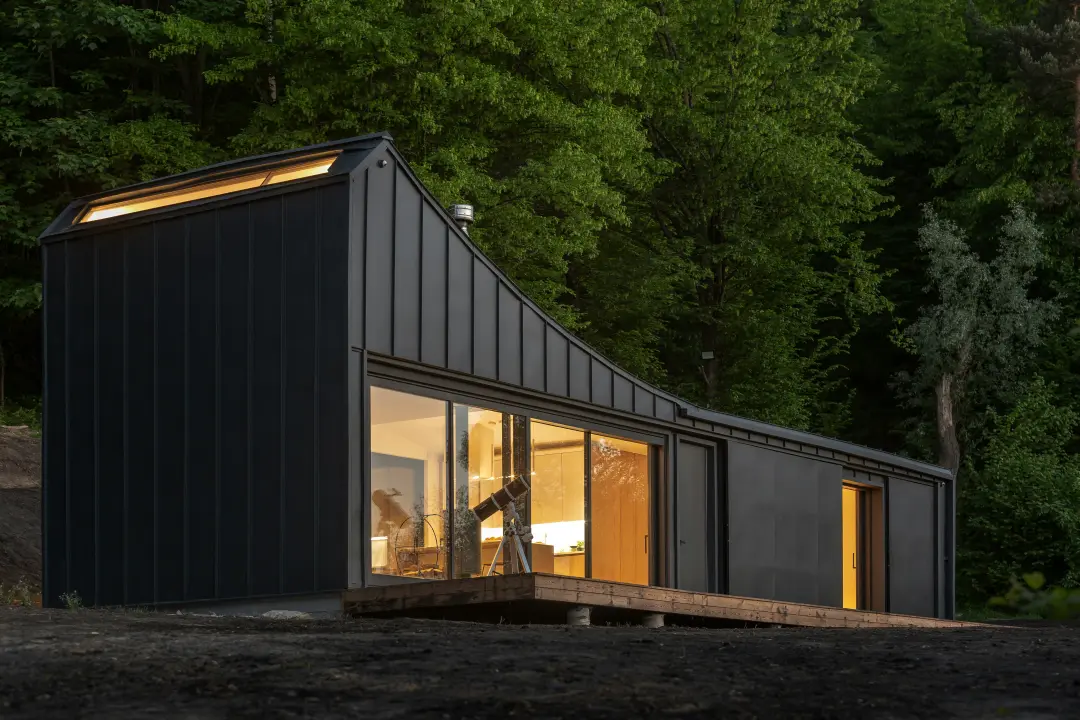
- • Tiny homes
If you plan to modify a container, choose one with minimal structural damage.
Tips for Getting the Best Value When Buying a Container
To make a smart purchase, follow these tips:
- • Inspect Before Buying: Whenever possible, inspect the container personally or request detailed photos and inspection reports.
- • Compare Multiple Sellers: Prices vary widely between sellers. Comparing quotes helps ensure you receive a fair deal.
- • Consider Delivery Costs: Low container prices may not include delivery fees.
- • Choose the Right Size: Buying a container that is too small may require upgrading later, increasing overall costs.
Is an As-Is Shipping Container Right for You?
As-is shipping containers can provide excellent value for buyers who prioritize affordability over cosmetic condition. While these containers may show signs of wear, many remain structurally strong and suitable for storage or conversion projects.
By understanding container grades, inspecting the structure carefully, and choosing the right size, you can find a container that meets your needs while staying within budget.
Working with a reputable supplier also ensures you receive clear condition information, reliable delivery services, and professional guidance throughout the purchasing process.
Find Reliable Shipping Containers for Sale Near You with Four Sons Logistics
Buying an as-is shipping container can be a smart and cost-effective solution for storage, shipping, or container conversion projects. By understanding container grades, inspecting the container carefully, and choosing the right size—whether a 20-foot container or a 40-foot container—you can confidently select a container that fits your needs and budget.
If you’re searching online for “shipping containers for sale near me”, working with a trusted container supplier is essential to ensure you receive a durable container, transparent pricing, and reliable delivery services.
At Four Sons Logistics, we offer a wide inventory of new and used shipping containers, including one-trip containers, cargo worthy, wind and watertight, and affordable as-is storage containers. Our team helps customers across our service areas find the right container solution for residential storage, construction sites, commercial operations, and container conversion projects.
Whether you need a compact 20ft storage container, a large 40ft container for business storage, or guidance on choosing the best container type for your project, our experienced team is ready to help.
Ready to Get Started?
If you’re looking for affordable shipping containers for sale near your location, the team at Four Sons Logistics can help you compare container sizes, understand container conditions, and schedule fast delivery.
Get a quote today to check current container availability and pricing. Our team will help you find the right shipping container delivered to your property quickly and safely.
FAQ: Buying Shipping Containers
What does “as-is” mean for shipping containers?
An as-is container is sold in its current condition without repairs or guarantees. Buyers are responsible for inspecting the container and determining whether it meets their needs.
Are used shipping containers waterproof?
Most used containers labeled wind and watertight prevent water leaks and protect stored goods from rain and moisture.
How much does a used container cost?
Prices vary depending on size, condition, and location. Used containers typically cost significantly less than new one-trip containers.
What size shipping container should I buy?
A 20ft container is ideal for smaller storage needs, while a 40-foot container provides larger capacity and better cost efficiency for bulk storage.
How long do shipping containers last?
A well-maintained shipping container can last 20 to 30 years or longer, especially when protected from excessive moisture and corrosion.
___
Featured image credit: mirukser on Unsplash