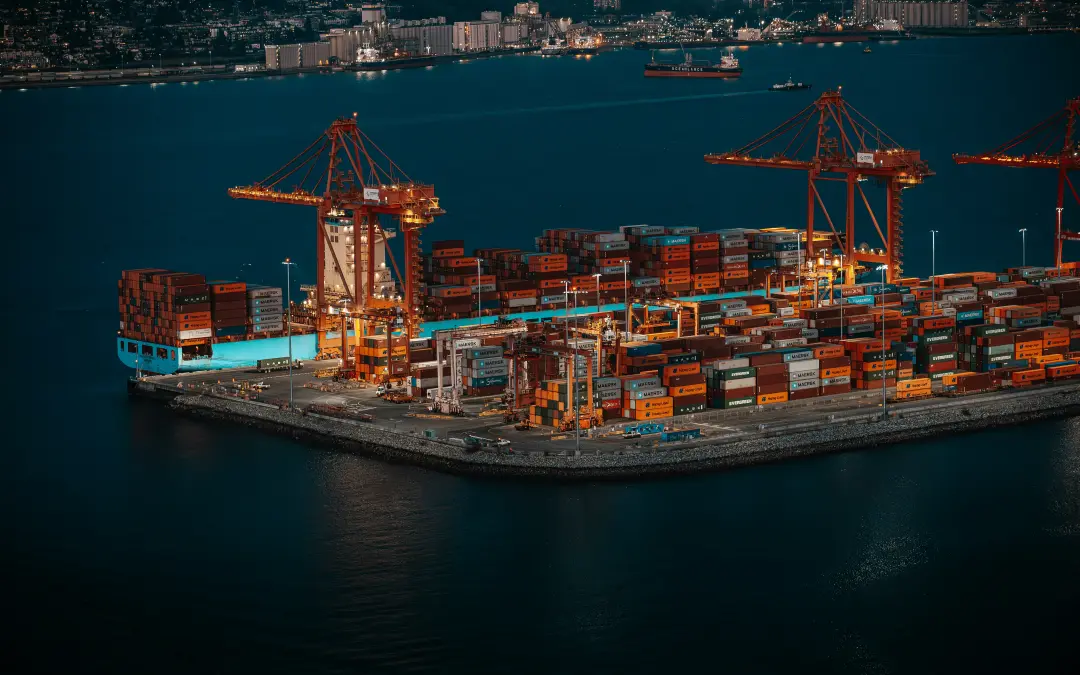
As we enter 2026, shipping container prices are climbing due to a mix of supply-demand imbalances, geopolitical pressures, and lingering disruptions from the Red Sea crisis and rerouted trade routes. Carriers are raising base freight rates and adding surcharges as blank sailings, port congestion, and security risks push ocean freight spot rates and contract rates higher.
This volatility affects anyone buying, selling, or transporting containers. Whether you’re looking for new or used shipping containers, planning a conversion project, or managing import costs, understanding freight forecasts, trade policy impacts, and alternative routing strategies is critical to avoid surprise charges and delivery delays in 2026.
2026 Freight Forecast: How Freight Rates Are Shaped
Key Freight Rate Drivers
Freight rates in 2026 are influenced by multiple factors:
- • Capacity utilization – how full carriers operate
- • Carrier network decisions – lane prioritization and fleet reallocation
- • Blank sailings – temporary removal of capacity on certain routes
- • Lane-specific congestion and demand surges – affecting ocean and truck drayage
- • Surcharges and schedule reliability issues – when carriers shift operations to profitable lanes
Market intelligence helps predict whether rate increases are temporary or structural.
Carrier Capacity and Fleet Management
Carriers manage fleets to control overcapacity and maintain higher freight levels:
- • Delay new vessel introductions or reactivate idled ships
- • Reroute ships around Suez Canal or adjust services to avoid high-risk corridors
- • Impact transit times, TEU availability, and the supply of new and used containers
Shippers should monitor carrier announcements to anticipate delivery and routing changes.
Lane-Specific Rate Volatility
Rate volatility is highest on busy shipping lanes where congestion inflates rates and surcharges. Key points:
- • Red Sea disruptions and Cape of Good Hope reroutes lengthen transit times
- • Real-time data on port congestion, blank sailings, and schedule reliability is essential
- • Diversifying lanes or using multimodal solutions can reduce risk
Supply Chain Disruption: Red Sea Crisis, Reroutes, and Geopolitics
Red Sea Crisis and Security Risks
Impacts include:
- • Avoidance of Suez Canal to reduce insurance and security risks
- • Rerouting via the Cape of Good Hope, adding days or weeks to transit
- • Increased fuel and operating costs, passed onto shippers
- • Convoy practices reduce schedule reliability
- • Higher landed costs and global supply chain pressure
Geopolitical Tariffs and Trade Policy
- • Tariff changes, corridor restrictions, and targeted trade measures create unpredictability
- • Forces cargo rerouting and contract adjustments
- • Can create short-term congestion and opportunities for surcharges
Port Congestion and Bottlenecks
Effects of port congestion:
- • Longer dwell times for containers
- • Higher detention costs
- • TEUs tied up on water or terminals
- • Increased likelihood of blank sailings
- • Congestion surcharges imposed by carriers
Mitigation strategies:
- • Diversify ports used for shipments
- • Build buffer lead times into planning
Container Market Dynamics: Supply, Demand, and Overcapacity
Supply and Demand Trends
- • Uneven supply across trades
- • Oversupply in some corridors depresses rates
- • Security-driven rerouting creates shortages in high-demand lanes
- • Fleet expansion, idle tonnage, and TEU circulation affect container availability
- • Monitor lane-specific capacity trends for the best pricing
Oversupply vs Effective Capacity
- • Global oversupply may mask effective capacity constraints
- • Containers stranded at ports or in rerouted networks reduce usable capacity
- • Market intelligence is critical to track TEU flows and understand true supply constraints
Container Costs and Secondhand Market
- • New and used container costs affected by TEU demand, chassis shortages, and repositioning costs
- • Longer delivery times and variable pricing impact buyers
- • Strategies to manage cost: leasing, buy-back agreements, near-shore procurement
Operational Responses: Reroute, Diversify, and Manage Landed Cost
Reroute Strategies
- • Avoid Suez Canal, use Cape of Good Hope or coastal transshipment
- • Rerouting increases transit times, fuel consumption, and surcharges
- • Helps maintain schedule reliability under security risks
- • Evaluate total landed cost, including insurance and delay risk
Diversify Carriers and Modes
- • Reduce reliance on a single lane/operator
- • Combine ocean freight with rail or air for critical cargo
- • Plan for multimodal logistics, including TEU transloading and customs
- • Build redundant corridors for reliability
- • Use market intelligence to reduce exposure to spot rate spikes
Maintaining Schedule Reliability
- • Increase inventory buffers
- • Accept premium freight options if necessary
- • Use demand forecasting and flexible inventory strategies
- • Model total landed cost, including delays and customer impact
Market Intelligence and Forecast Tools for 2026
Real-Time Data and Forecasting
Effective shipping requires up-to-date insights on carrier capacity and port conditions. Teams can:
- • Track port congestion, blank sailings, and spot rates in real time
- • Monitor lane-level TEU flows and carrier capacity updates
- • Combine historical cycles with scenario analysis to anticipate disruptions like the Red Sea crisis
- • Reduce the risk of unexpected rate spikes or route closures
Using Search Phrases to Optimize Procurement
Procurement teams can use specific search phrases to identify suppliers, plan shipments, and anticipate lane-specific issues. For example:
“2026 container shipping costs forecast Cape of Good Hope reroute”
“Buy used shipping containers delivery timeline 2026”
Benefits of using these queries:
- • Locate specialized suppliers and niche solutions
- • Identify lane-specific challenges before they impact delivery
- • Make smarter procurement decisions and optimize timing
By combining real-time forecasting with targeted search queries, companies can plan shipments more effectively, avoid costly reroutes, and stay ahead of market fluctuations in 2026.
Conclusion: Secure Your Shipping Containers and Manage Rising Costs
Container costs in 2026 are rising due to Red Sea rerouting, port congestion, carrier capacity management, and geopolitical pressures. For businesses relying on timely shipments, these challenges can impact budgets, schedules, and supply chain reliability.
Four Sons Logistics helps shippers navigate this complex market with real-time market intelligence, lane-level forecasting, and procurement expertise. Whether you need new or used shipping containers, ocean freight booking, or guidance on alternative corridors, we provide actionable insights to reduce landed costs and avoid costly delays.
Act now to secure your shipping containers:
- • Get a quote for new or used shipping containers tailored to your lanes
- • Access total landed cost estimates, including surcharges and port delays
- • Leverage market intelligence to make informed shipping decisions
Get a Quote from Four Sons Logistics Today and lock in reliable delivery for 2026. Don’t wait—container costs are rising, and early planning ensures your shipments stay on schedule and on budget.
FAQ: Container Shipping Costs, Delays & Buying Tips for 2026
Why are shipping container costs rising in 2026?
Driven by port congestion, blank sailings, global reroutes like the Cape of Good Hope, and geopolitical tensions.
How long do container shipping delays last in the U.S. in 2026?
Delays can range from several days to weeks, depending on congestion and carrier schedules on high-traffic lanes.
Is it a good time to buy a used shipping container for conversion in 2026?
Timing depends on lane-specific capacity, port conditions, and market demand. Monitoring market intelligence can help secure lower landed costs.
What are the best alternative shipping routes during the Red Sea crisis?
Options include rerouting via the Cape of Good Hope or using coastal transshipment. Each route affects transit time, fuel cost, and total landed cost.
How can shippers reduce total landed cost despite rising container shipping prices?
Strategies include diversifying carriers and modes, forecasting freight volatility, planning buffer inventory, and leveraging real-time data on TEU flows and port congestion.
___
Featured image credit: Albert Stoynov on Unsplash