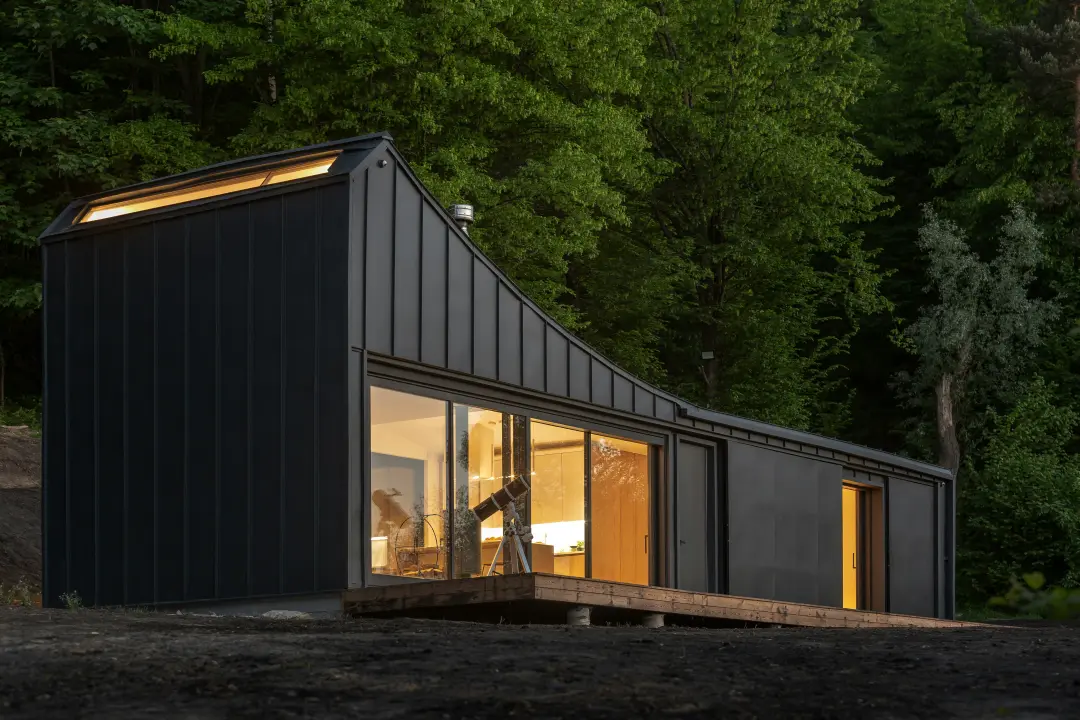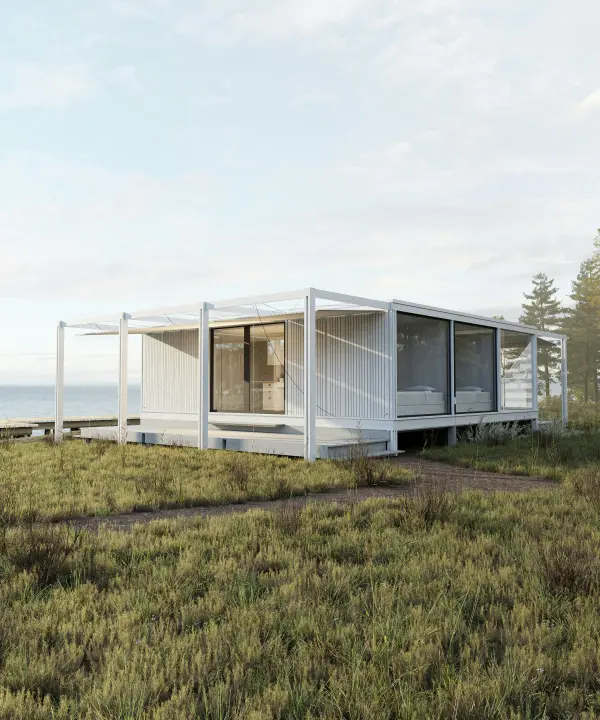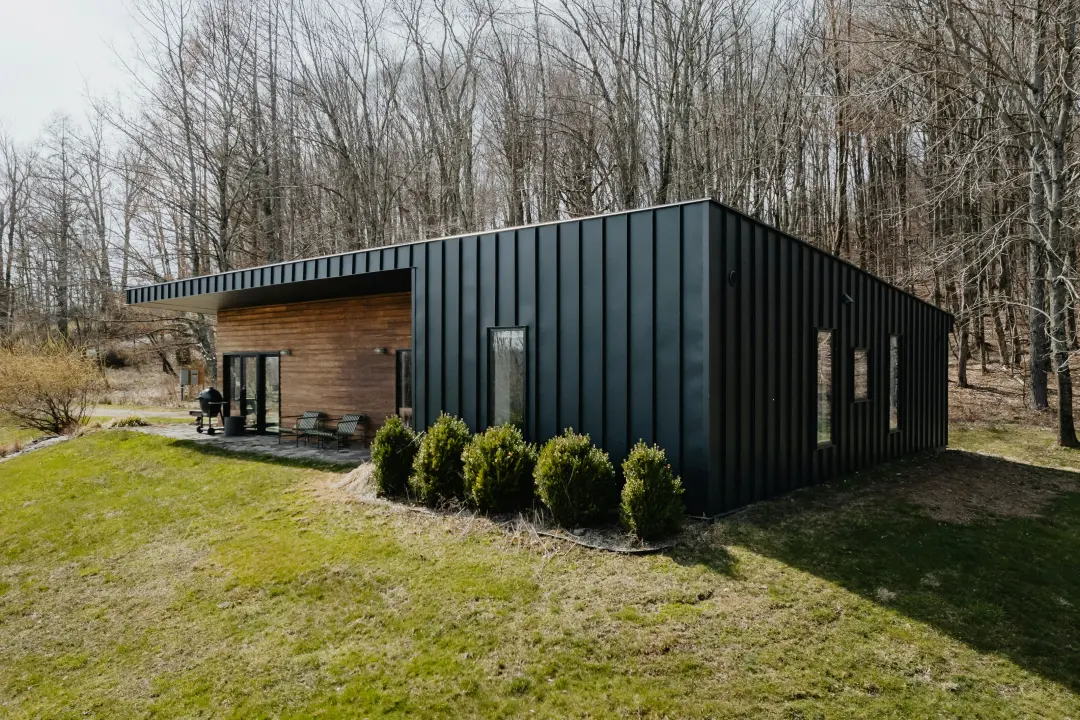
Off-grid container homes in Colorado are becoming increasingly popular for sustainable living and remote retreats. An off-grid container home in Colorado is a residence built from repurposed shipping containers that operates independently from public utilities using systems like solar power and water storage. Many ask:
“How do I build a shipping container home in Denver?”
“What permits and codes are required for off-grid container cabins in Colorado?”
Building a container home requires careful planning for snow loads, insulation, energy efficiency, and solar panel installation. Whether you’re buying a used shipping container or sourcing new containers, understanding local and state building codes, zoning rules, and 2026 energy regulations ensures your project is safe, code-compliant, and permit-ready.
This guide answers common questions about off-grid container cabin construction, including Denver building permits, zoning requirements, energy-efficient design, and solar integration, so you can confidently plan, purchase, and build your container home.
Colorado Container Home Building Permits and Code Compliance
What Building Permits Do I Need for a Container Home in Denver?
- • Check requirements with the Denver building department and your county.
- • Most zones require stamped structural plans showing compliance with the International Residential Code (IRC) and Colorado state codes for snow load, wind resistance, and insulation.
- • Include energy efficiency details and off-grid systems like solar panels in your application.
- • Early submission can speed approval and prevent costly redesigns.
How Do State and Local Codes Affect My Container Home?
- • Colorado codes vary widely by municipality.
- • The IRC provides a baseline, but Denver and nearby areas may require additional energy codes, snow load standards, and zoning regulations.
- • Ensure your home meets insulation, structural, and energy efficiency standards to avoid delays.
- • Account for site-specific factors like elevation, snow loads, and wind exposure.
Why Proper Documentation Matters
- • Prepare construction documents detailing structural reinforcement, insulation systems, and off-grid energy setups.
- • Include manufacturer specs for both new and used containers.
- • Good documentation helps speed permit approval and shows code compliance.
Zoning Laws for Container Homes in Denver and Colorado
Can I Build a Container Home Anywhere in Colorado?
- • Not all zones allow container homes.
- • Some areas require a variance or conditional use permit for nontraditional structures.
- • Consult local planning staff to confirm if your property allows off-grid living, tiny homes, or modular cabins.
How Do County Rules Affect Container Home Permits?
- • Rural counties often offer more flexibility, while Denver and urban areas have stricter codes.
- • Check county-specific snow loads, setbacks, and utility access rules before purchasing containers.
- • Even rural properties must meet state codes and provide safe water, septic, and energy systems.
Does Zoning Impact My Building Permit Timeline?
- • Zoning affects permit approval, living space, and utility connections.
- • Some zones require engineered plans to show compliance with structural, insulation, and energy codes.
- • Confirming compliance helps speed up the permit process.
Insulation and Energy Efficiency for Off-Grid Container Homes
What Insulation Do I Need for a Colorado Container Home?
- • High-R-value insulation, thermal breaks, and vapor barriers are essential for Colorado’s cold, high-elevation climate.
- • Retrofit options include spray foam, insulated panels, or interior framing.
- • Good insulation also improves solar panel efficiency during winter.
How Can I Integrate Solar Panels in an Off-Grid Container Home?
- • Solar panels should be sized to meet heating, hot water, and electricity needs.
- • Pair with battery storage and backup generators for reliability.
- • Plan for roof snow drift, shading, and slope.
- • Submit electrical plans to demonstrate compliance with energy codes.
Why Energy Efficiency and IRC Compliance Matter
- • Following codes reduces long-term costs and improves comfort.
- • Use passive solar design, airtight construction, and high-performance windows.
- • Energy modeling supports permit approval and increases resale value.
Snow Load and Structural Design for Container Homes
How Do I Calculate Snow Loads for My Container Home?
- • Use site-specific snow load calculations for your container roof and structure.
- • Reinforce roofs, add pitched roofs, or design overhangs.
- • Submit engineered calculations with your permit.
Do Container Homes Need Structural Reinforcement?
- • Modifying containers for windows, doors, or rooftop solar may require extra framing, corner reinforcement, and welding.
- • Hybrid roofing and proper engineering ensure structural integrity under snow and wind loads.
- • Always consult a structural engineer experienced with container homes in Colorado.
What Roofing Options Help Manage Snow?
- • Pitched roofs, standing seam metal roofs, and heated gutters help shed snow and prevent ice dams.
- • Roof design should allow snow to slide safely and reduce shading on solar panels.
- • Include roofing plans in your permit for safety and aesthetics.
Buying Shipping Containers and Delivery in Colorado
Where Can I Buy Shipping Containers for an Off-Grid Cabin?
- • Purchase new or used containers from reputable suppliers.
- • New containers offer uniform dimensions and warranties.
- • Used containers save money but require inspection for rust, structural damage, or modifications.
- • Request condition reports to ensure suitability for Denver or rural builds.
How Does Delivery Work for Container Homes?
- • Delivery needs site access, foundation prep, and crane/forklift availability.
- • Companies like Four Sons Logistics deliver across Denver, mountain counties, and rural areas safely and on schedule.
- • Proper site preparation reduces costs, speeds construction, and aligns with building codes.
Do I Need to Inspect Used Shipping Containers?
- • Yes. Have a qualified inspector check structural integrity, floor condition, and prior use.
- • Inspection ensures your home meets insulation, energy, and safety codes and supports permit approval.
Getting Started with Your Off-Grid Container Home Project
How Can Four Sons Logistics Help with My Container Home?
Four Sons Logistics supplies new and used shipping containers and delivers them across Denver, mountain counties, and rural Colorado.
We help clients:
- • Buy containers suitable for off-grid builds
- • Coordinate delivery to your prepared site
- • Ensure compliance with snow load, energy efficiency, and zoning codes
Start Your Off-Grid Container Home Build Today
Contact Four Sons Logistics to get a quote and begin your off-grid container cabin project in Denver or anywhere in Colorado. If you’re looking for shipping containers for sale in Denver, Colorado, our team can help you source the right container and coordinate delivery to your site.
We handle container delivery, equipment scheduling, and logistics, ensuring everything aligns with local building department requirements so your off-grid container home project can move forward smoothly.
Frequently Asked Questions About Off-Grid Container Homes in Colorado
Are shipping container homes legal in Denver, Colorado?
Yes, shipping container homes can be built in Denver and other parts of Colorado, but they must comply with local zoning laws, building permits, and structural codes. Most projects require engineered plans that meet the International Residential Code (IRC), snow load standards, and local energy efficiency requirements.
What permits are required to build a container home in Colorado?
To build a container home in Colorado, you typically need a building permit from your local building department. Permit applications often require structural engineering plans, insulation details, and documentation showing compliance with state building codes, energy codes, and snow load requirements.
Can shipping container homes handle heavy snow in Colorado?
Yes, container homes can handle Colorado’s heavy snow loads when properly designed. Builders often reinforce the container structure, add pitched roofs or hybrid roofing systems, and follow engineering guidelines to meet local snow load requirements and building codes.
What insulation works best for shipping container homes in cold climates?
High-R-value insulation systems such as spray foam insulation, insulated wall panels, or interior framing with rigid insulation work well for container homes in cold climates like Colorado. Proper insulation helps maintain indoor comfort, reduce heating costs, and comply with state energy efficiency codes.
Where can I buy shipping containers for building a container home in Colorado?
You can purchase new or used shipping containers from local suppliers that offer delivery across Colorado. Companies like Four Sons Logistics provide containers suitable for off-grid cabins and container homes, along with delivery coordination to Denver, mountain counties, and rural properties.
___
Featured image credit: Clay Banks on Unsplash