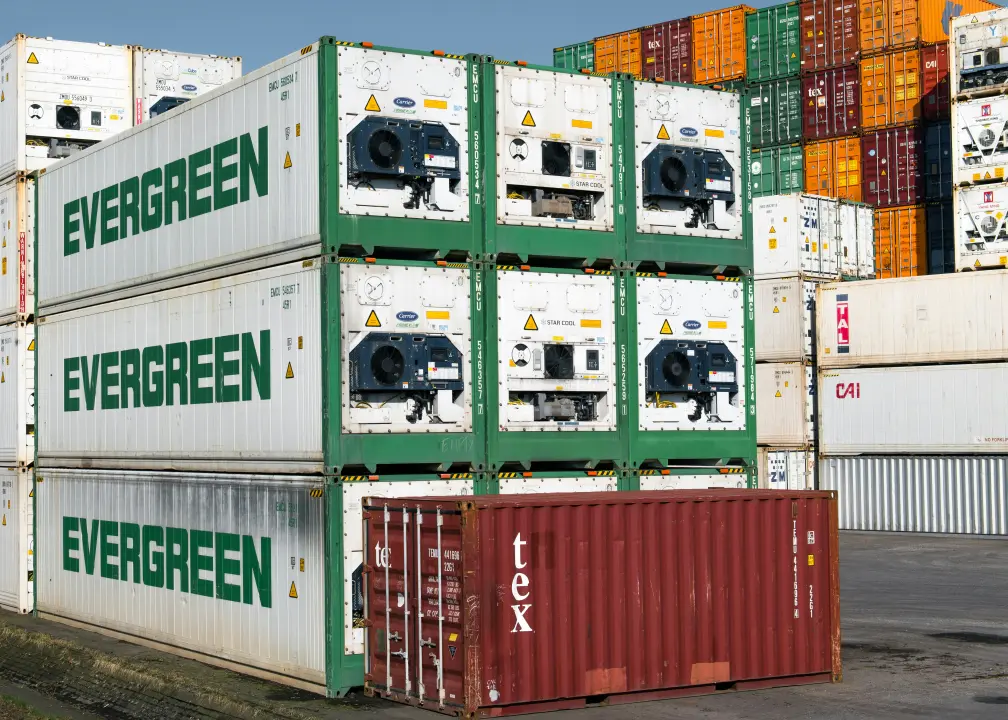
In today’s fast-paced U.S. food logistics market, refrigerated shipping containers (also called reefer containers) have become crucial for transporting perishable goods safely. From fresh produce and seafood to pharmaceuticals, businesses rely on these containers to maintain precise temperatures and prevent spoilage. With rising demand for reliable cold chain solutions, companies are increasingly investing in new and used shipping containers for refrigerated transport to protect product quality, extend shelf life, and ensure compliance with safety regulations.
In this article, you’ll learn:
- • What makes reefer containers vital for cold chain logistics
- • How modern refrigeration and monitoring technology improves efficiency
- • The types of refrigerated containers available and their specific uses
- • Operational and sustainability benefits of reefer containers
What Are Reefer Containers and Why Are They Important?
Reefer containers are specially designed shipping containers with built-in refrigeration units. They maintain precise temperatures during transport and storage, making them essential for temperature-sensitive cargo.
Key benefits include:
- • Stable temperature control to prevent spoilage
- • Humidity and atmosphere management for sensitive products
- • Real-time monitoring for compliance and cargo protection
Businesses using refrigerated containers for sale or rentals can extend product shelf life, reduce food waste, and improve customer satisfaction.
How Reefer Containers Improve Cold Chain Logistics
1. Precise Temperature Control
Maintaining exact temperatures is critical for perishable goods such as frozen foods, fresh seafood, and pharmaceuticals. Advanced reefer units ensure cargo stays within the ideal range, even during long sea voyages or multi-mode transport. Real-time temperature monitoring alerts operators to deviations, preventing costly spoilage.
2. Humidity and Atmosphere Management
Modern reefers control humidity and atmosphere composition, which is crucial for fruits, vegetables, and pharmaceuticals. Proper humidity prevents dehydration, microbial growth, and product quality loss. Some reefers even include modified atmosphere options, extending shelf life for high-value items like fresh-cut produce and seafood.
3. Reduced Spoilage and Extended Shelf Life
By maintaining optimal conditions, reefer containers reduce spoilage, allowing businesses to transport goods longer distances without compromising quality. Lower waste leads to better inventory management and increased profit margins for distributors and retailers.
Types of Refrigerated Containers and Their Applications
Standard Reefers
Ideal for chilled and frozen goods, these containers support ocean freight, rail, and road transport. They are available in new and used shipping containers with advanced refrigeration and monitoring features. Standard reefers are widely used for seafood, dairy, meat, and frozen foods.
Mobile and Portable Reefers
Mobile cold storage containers provide flexible, on-demand refrigeration for peak seasons, temporary facilities, or remote farms. These portable units help prevent postharvest loss and support last-mile deliveries, bridging gaps in fixed infrastructure.
Super Freezer and Controlled Atmosphere Reefers
These specialized units maintain ultra-low temperatures and controlled oxygen/CO2 levels, making them ideal for pharmaceuticals and frozen seafood. Businesses investing in these containers ensure longer shelf life and compliance with strict cold chain regulations.
Operational Benefits of Reefer Containers
Intermodal Flexibility
Reefer containers are compatible with sea, rail, and road transport, enabling smooth intermodal transitions. Standardized container sizes reduce handling risks, minimize delays, and protect product integrity during transfers.
Real-Time Monitoring with IoT
IoT-enabled reefers provide data on temperature, humidity, and location throughout transport. Real-time alerts allow logistics teams to prevent spoilage and meet regulatory standards for pharmaceutical and perishable cargo.
Energy Efficiency and Sustainability
Modern reefer containers use energy-efficient refrigeration systems and optimized routes to reduce emissions and operational costs. Retrofitting new and used containers supports circular economy practices while lowering the carbon footprint of cold supply chains.
Common Use Cases for Reefer Containers
Fresh Produce
Reefers preserve fruits and vegetables by controlling temperature, humidity, and ethylene levels, extending shelf life and reducing waste.
Seafood and Perishable Proteins
Seafood supply chains depend on rapid refrigerated transport. Reefers protect freshness, flavor, and texture from catch to consumer, even during long exports.
Pharmaceuticals and Medical Cargo
Validated reefers with tamper-evident monitoring maintain strict temperature ranges for vaccines, biologics, and other medical products, ensuring efficacy and regulatory compliance.
The Future of Refrigerated Shipping
IoT and Automation
Integration of IoT, cloud platforms, and automated alerts improves predictive maintenance, reduces downtime, and prevents temperature excursions before they affect cargo.
Sustainable Innovations
The industry is adopting energy-efficient, hybrid, and solar-assisted reefers. Alternative refrigerants, improved insulation, and container retrofitting support environmental sustainability and reduce operational costs.
Growing Demand
E-commerce growth, global trade, and expanding fresh food markets drive continued demand for both new and used refrigerated shipping containers. Flexible inventory of reefers and mobile storage solutions helps businesses scale efficiently.
Conclusion: Secure Your Cold Chain with Four Sons Logistics
Four Sons Logistics offers a complete range of refrigerated containers and cold chain solutions, including:
- • New and used shipping containers for refrigerated transport
- • Mobile cold storage solutions
- • Integrated reefers with real-time monitoring
Whether you’re shipping fresh produce, seafood, or pharmaceuticals, our containers help extend shelf life, reduce spoilage, and maintain compliance. Contact Four Sons Logistics today to explore refrigerated container options, request a quote, and strengthen your cold chain logistics.
FAQ: Refrigerated (Reefer) Containers in Cold Chain Logistics
What is a reefer container and how does it work?
A reefer container is a refrigerated shipping container designed to maintain precise temperature ranges for perishable goods such as fresh produce, seafood, and pharmaceuticals. It uses advanced refrigeration units, humidity control, and sometimes modified atmosphere technology to ensure cargo remains safe throughout transport and storage.
Why are refrigerated containers important for cold chain logistics?
Reefer containers are vital for protecting temperature-sensitive goods from spoilage, extending shelf life, and maintaining product quality. They help businesses comply with food safety and pharmaceutical regulations, reduce food waste, and enable global distribution of perishable goods.
What types of reefer containers are available?
There are several types of refrigerated containers:
- Standard reefers for chilled and frozen foods
- Mobile/portable reefers for temporary or peak-season storage
- Super freezer and controlled atmosphere reefers for ultra-low temperature cargo such as pharmaceuticals or frozen seafood
Each type supports different cold chain needs depending on the product and transport route.
How can I monitor cargo in a reefer container?
Modern reefer containers often include IoT-enabled real-time monitoring systems that track temperature, humidity, and location throughout the shipment. Alerts notify logistics teams of deviations, allowing immediate corrective action to protect cargo and maintain compliance with cold chain regulations.
Can businesses buy or rent refrigerated containers for cold storage?
Yes. Companies can purchase new or used shipping containers for refrigerated transport or choose rental solutions for temporary or seasonal needs. Both options provide flexibility to scale cold chain operations efficiently while ensuring product integrity and regulatory compliance.
___
Featured image credit: Wolfgang Weiser on Unsplash