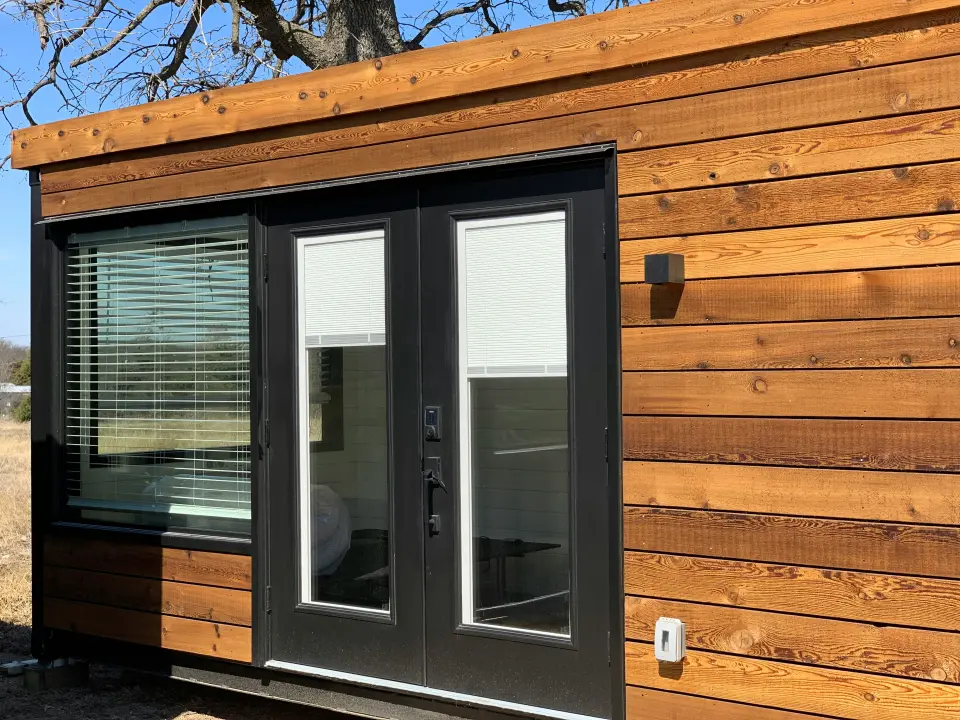
Phoenix’s desert climate brings intense summer heat, making insulation one of the most important parts of building a comfortable shipping container home. Without proper insulation, metal container walls can absorb and transfer heat quickly, causing indoor temperatures to rise and increasing cooling costs.
This guide explains the best ways to insulate a shipping container home in Phoenix, including the pros and cons of spray foam insulation, rigid foam, foam board, and fiberglass insulation. You’ll also learn how to reduce thermal gain, improve thermal insulation performance, prevent condensation, and choose the right insulation system for long-term durability.
Whether you are buying a new or used shipping container for a container home conversion or upgrading an existing unit, the right insulation strategy can make your space more comfortable, energy-efficient, and livable year-round.
What Is the Best Insulation for a Shipping Container Home in Phoenix?
The best insulation for a shipping container home in Phoenix is typically closed-cell spray foam because it provides excellent thermal resistance, creates an air seal, and helps prevent condensation inside metal walls.
However, rigid foam boards and foam board insulation are also highly effective options, especially for homeowners looking for a balance between performance and affordability.
The right insulation system depends on several factors, including:
- • Your budget
- • Desired R-value
- • Interior space limitations
- • Moisture resistance needs
- • DIY vs. professional installation
- • Long-term energy savings
Because Phoenix experiences extreme heat for much of the year, insulation options with high thermal insulation performance and moisture resistance generally perform best.
Why Do Shipping Container Homes Get So Hot?
Shipping containers are built from steel, which absorbs and transfers heat rapidly. In hot climates like Phoenix, the sun can heat exterior container walls and roofing surfaces to extremely high temperatures.
Without proper insulation, the heat transfers directly into the interior living space. This can make container homes uncomfortable and force HVAC systems to work harder, leading to higher energy bills.
Several factors contribute to heat buildup in container homes:
- • Direct solar exposure
- • Metal thermal conductivity
- • Poor ventilation
- • Lack of shading
- • Inadequate insulation
- • Thermal bridging through steel framing
Proper insulation and ventilation help reduce these issues and create a more stable indoor environment.
Best Types of Insulation for Shipping Container Homes
Closed-Cell Spray Foam Insulation
Closed-cell spray foam is widely considered the best insulation for shipping container homes in hot climates because it combines insulation, air sealing, and moisture protection in one application.
Benefits of Closed-Cell Spray Foam
- • High R-value per inch
- • Excellent moisture resistance
- • Creates an air and vapor barrier
- • Reduces thermal bridging
- • Adheres directly to metal surfaces
- • Helps prevent condensation
Spray foam insulation expands into gaps and cracks, creating a continuous thermal barrier throughout the container interior.
Drawbacks
- • Higher upfront cost
- • Requires professional installation
- • Reduces some interior space thickness
Despite the cost, many homeowners choose spray foam because of its long-term energy efficiency and superior performance in desert climates.
Rigid Foam Board Insulation
Rigid foam and foam board insulation are popular alternatives to spray foam, especially for DIY container home projects.
Common rigid foam options include:
- • Extruded polystyrene (XPS)
- • Expanded polystyrene (EPS)
- • Polyisocyanurate (Polyiso)
Benefits of Rigid Foam
- • Strong thermal performance
- • Lower cost than spray foam
- • Easier DIY installation
- • Lightweight and durable
- • Suitable for walls, floors, and ceilings
Rigid foam panels are often installed with furring strips to create space for wiring and interior finishes.
Drawbacks
- • Requires careful seam sealing
- • Can allow air leaks if improperly installed
- • Needs protection from UV exposure and physical damage
When installed correctly, rigid foam provides excellent insulation performance for container homes in Phoenix.
Fiberglass Insulation
Fiberglass insulation is one of the most affordable insulation materials available, but it requires careful moisture management inside shipping containers.
Benefits of Fiberglass
- • Budget-friendly
- • Widely available
- • Easy to source locally
- • Works well in framed wall systems
Drawbacks
- • Performs poorly when wet
- • Does not create an air seal
- • Requires vapor barriers
- • Can allow thermal bridging
Fiberglass insulation is best used when combined with proper ventilation, vapor barriers, and thermal break systems.
How Do You Insulate a Shipping Container Properly?
Proper installation is just as important as choosing the right insulation material.
Step 1: Prepare the Container Walls
Before installing insulation:
- • Remove rust and corrosion
- • Seal seams and gaps
- • Apply protective coatings or primer
- • Repair damaged surfaces
Preparing the steel surface helps improve insulation adhesion and long-term durability.
Step 2: Install the Insulation System
Depending on the insulation type, installation methods may vary.
Spray Foam Installation
Closed-cell spray foam is sprayed directly onto metal walls and ceilings, creating a continuous insulation and air barrier.
Foam Board Installation
Rigid foam panels are attached using adhesive, mechanical fasteners, or framing systems. Seams should be sealed carefully to reduce air leakage.
Fiberglass Installation
Fiberglass batts are typically installed inside framed wall cavities with vapor barriers and interior cladding.
Step 3: Add Ventilation and Thermal Protection
Ventilation is critical in container homes because condensation can damage insulation and corrode metal surfaces.
Effective ventilation strategies include:
- • Roof vents
- • Mini-split HVAC systems
- • Exhaust fans
- • Dehumidifiers
- • Air circulation systems
Thermal breaks and shading systems can also improve insulation performance.
How Can You Reduce Heat Gain in a Container Home?
Reducing heat gain involves more than just insulating the walls.
Exterior Shading
Shade structures, awnings, pergolas, and extended roof overhangs help block direct sunlight before it reaches the container.
Reflective Roof Coatings
Reflective coatings reduce solar heat absorption and help keep roof temperatures lower during summer.
Exterior Insulation Systems
Installing insulation on the outside of the container helps stop heat before it reaches the steel walls.
Passive Cooling Design
Proper orientation, window placement, airflow planning, and landscaping can reduce indoor temperatures naturally.
Combining these strategies with quality insulation creates a more energy-efficient and comfortable container home.
How Much Does Shipping Container Insulation Cost?
Insulation costs vary depending on material type, labor, and project size.
General Cost Considerations
- • Spray foam insulation usually costs the most upfront
- • Rigid foam offers a balance between cost and performance
- • Fiberglass is the most affordable option initially
Additional expenses may include:
- • Interior framing
- • Vapor barriers
- • Drywall or interior finishes
- • Professional installation labor
- • Ventilation systems
Although high-performance insulation systems cost more initially, they often reduce long-term cooling expenses significantly in Phoenix’s hot climate.
Finding Shipping Container Insulation Contractors in Phoenix
If you are planning a container home project in Arizona, working with experienced shipping container insulation contractors can improve both thermal insulation performance and long-term durability.
Many homeowners search for:
- • spray foam insulation for container homes
- • rigid foam insulation systems
- • energy-efficient insulation options for desert climates
- • shipping container modification services
When choosing suppliers, look for companies specializing in shipping containers, insulation options, and container conversions in hot climates.
Build a More Comfortable and Energy-Efficient Container Home
Proper insulation is one of the most important investments you can make when building a shipping container home in Phoenix. The right insulation system improves comfort, lowers cooling costs, reduces condensation risks, and helps protect the container structure over time.
Closed-cell spray foam, rigid foam boards, and properly installed fiberglass insulation can all work effectively when paired with good ventilation and heat-reduction strategies.
Whether you are starting a new container home project or upgrading an existing unit, choosing the right insulation system will help create a more durable, efficient, and comfortable living space.
Shipping Containers for Sale in Phoenix and Across Arizona
Four Sons Logistics supplies new and used shipping containers for sale, including 20ft and 40ft containers ideal for container homes, storage, and commercial projects. We provide container delivery throughout Phoenix, Scottsdale, Mesa, Chandler, Tempe, and surrounding Arizona areas, as well as nationwide shipping options.
We can help you find the right shipping container for your project, whether you need a 20ft or 40ft unit for a container home, storage, or commercial use. We offer shipping containers for sale across Phoenix and surrounding Arizona areas, along with delivery options and support for container conversion projects. Contact Four Sons Logistics today to get a quote on shipping containers, delivery, and container home solutions tailored to your needs.
Frequently Asked Questions About Shipping Container Home Insulation
Do Shipping Container Homes Need Insulation?
Yes. Shipping container homes absolutely need insulation, especially in hot climates like Phoenix. Steel walls transfer heat rapidly, making insulation essential for comfort, energy efficiency, and condensation control.
What Is the Cheapest Way to Insulate a Shipping Container?
Fiberglass insulation is usually the cheapest option upfront. However, rigid foam insulation often provides better long-term performance and moisture resistance for container homes.
Is Spray Foam Worth It for Container Homes?
Yes. Closed-cell spray foam is often worth the investment because it combines insulation, air sealing, and moisture protection in one application while delivering excellent energy efficiency.
Can You Insulate the Outside of a Shipping Container?
Yes. Exterior insulation systems can help reduce solar heat gain before it reaches the steel container walls. Many homeowners combine exterior insulation with interior insulation for maximum performance.
What R-Value Is Best for a Shipping Container Home in Phoenix?
Higher R-values generally perform better in Phoenix’s desert climate. Many container home builders aim for insulation systems with sufficient R-values to reduce heat transfer and improve cooling efficiency year-round.
___
Featured image credit: Howard R Wheeler on Unsplash