Shipping containers are large steel units originally designed for transporting goods across sea, rail, and road. Today, they are widely repurposed as affordable and durable structures for homes, offices, retail spaces, storage, and modular buildings.
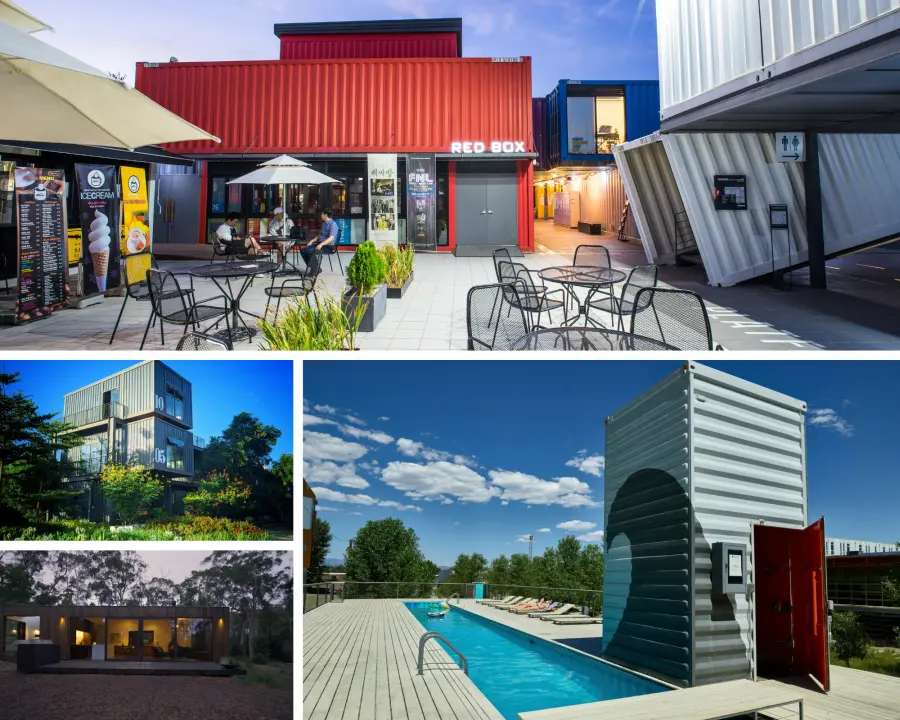
So, what can shipping containers be used for? They can be transformed into container homes, offices, restaurants, cafes, swimming pools, art galleries, and more—making them one of the most flexible building solutions available today.
Whether you’re searching for shipping containers for sale, new and used containers, or planning a custom container conversion, these steel structures offer a cost-effective, eco-friendly, and highly customizable option for both residential and commercial projects.
In this guide, we’ll explore the top 10 innovative uses of shipping containers and how Four Sons Logistics can help you get the right container solution delivered to your location.
1. Shipping Container Homes
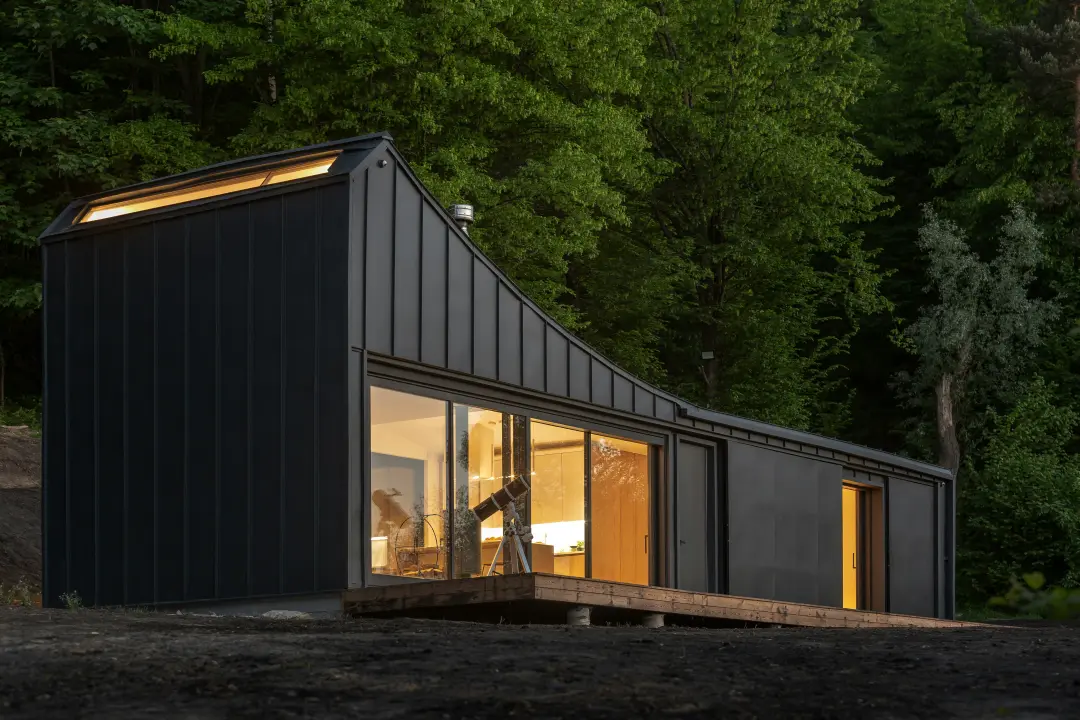
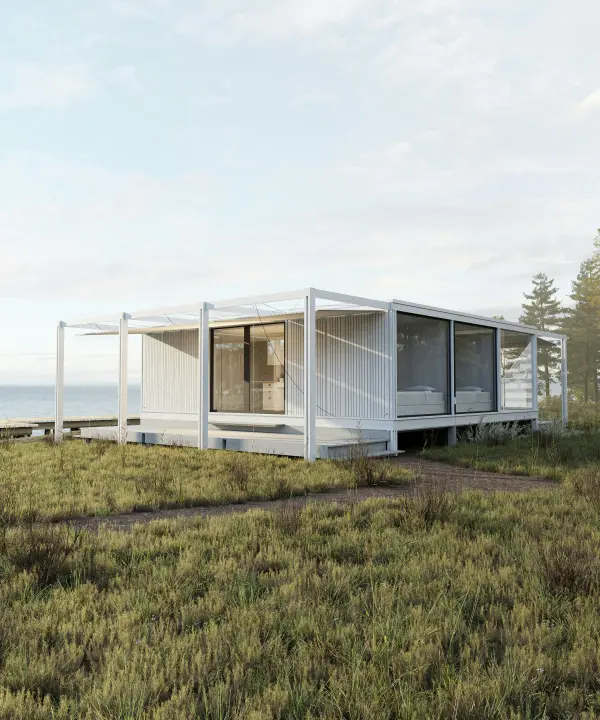
Shipping container homes are residential structures built using modified steel shipping containers. They are designed to create durable, modular, and customizable living spaces that can be assembled faster and often more affordably than traditional homes.
Benefits of Shipping Container Homes
- • Faster construction timelines
- • Modular and expandable designs
- • Eco-friendly reuse of existing materials
- • Strong steel structures built for durability
- • Customizable layouts and finishes
2. Container Offices and Workspaces
Shipping container offices provide practical and cost-effective workspace solutions for construction sites, Container offices are portable workspaces created by converting shipping containers into functional office environments. They are commonly used for construction sites, startups, and businesses needing flexible, scalable, and relocatable office space.
Container offices can be customized with:
- • Electrical systems
- • Lighting
- • Climate control
- • Insulation
- • Networking and internet infrastructure
- • Meeting rooms and break areas
Businesses appreciate container offices because they can be installed quickly and relocated when needed. This makes them ideal for temporary job sites, pop-up offices, and rapidly growing companies.
Why Businesses Use Container Offices
- • Lower construction costs
- • Fast installation
- • Portable and relocatable
- • Scalable modular layouts
- • Durable weather-resistant structures
3. Container Restaurants and Cafes
Container restaurants and cafes are food service establishments built from modified shipping containers. They provide cost-effective, modular dining spaces that are quick to install and ideal for pop-ups, urban areas, and mobile food businesses.
Advantages of Container Restaurants
- • Lower startup costs
- • Fast construction and setup
- • Unique visual appeal
- • Portable and modular design
- • Ideal for pop-up businesses
4. Container Retail Stores and Pop-Up Shops
Container retail stores are compact commercial spaces created by converting shipping containers into shops or pop-up retail units. They are used by businesses that need flexible, portable, and low-cost retail environments.
Retailers can modify shipping containers with:
- • Large glass storefronts
- • Roll-up doors
- • Shelving and display systems
- • Lighting and signage
- • Climate control systems
Because containers are durable and easy to transport, businesses can relocate them between events, cities, or commercial developments with minimal effort.
Benefits of Container Retail Spaces
- • Reduced leasing and construction costs
- • Quick setup and deployment
- • Flexible branding opportunities
- • Portable business operations
- • Strong security and durability
5. Shipping Container Swimming Pools
Shipping container swimming pools are modified steel containers transformed into above-ground or in-ground pool systems. They offer a durable, modern, and often more affordable alternative to traditional concrete swimming pools.
Containers can be modified with:
- • Waterproof liners
- • Filtration systems
- • Heating systems
- • Glass viewing panels
- • Decking and landscaping features
Many homeowners and resorts choose container pools because installation is typically faster and less invasive than traditional pool construction.
Advantages of Container Pools
- • Faster installation
- • Modern aesthetic appeal
- • Durable steel construction
- • Portable and modular design
- • Lower excavation requirements
6. Container Saunas and Wellness Spaces
Container saunas are wellness structures built by converting shipping containers into insulated heat rooms. They are commonly used in homes, resorts, and spas as portable and customizable wellness facilities.
These wellness units can also include:
- • Cold plunge tubs
- • Relaxation lounges
- • Shower areas
- • Changing rooms
- • Outdoor deck spaces
Proper insulation and ventilation are essential to safely manage humidity and heat levels inside the container.
Why Container Saunas Are Popular
- • Portable wellness solutions
- • Unique and modern design
- • Faster installation compared to traditional builds
- • Durable all-weather construction
- • Fully customizable interiors
7. Mobile Art Galleries and Exhibition Spaces
Mobile art galleries are shipping containers converted into portable exhibition spaces for displaying artwork. They are used for traveling exhibits, festivals, and temporary cultural installations due to their mobility and adaptability.
Container galleries can be customized with:
- • Climate-controlled interiors
- • Professional lighting systems
- • Security upgrades
- • Display walls and partitions
- • Audio-visual installations
Artists and curators often use container galleries to create immersive and flexible exhibition experiences in urban environments or remote locations.
Benefits of Container Art Galleries
- • Portable exhibition spaces
- • Flexible layouts
- • Strong security for valuable artwork
- • Modern industrial aesthetics
- • Cost-effective event installations
8. Secure Storage Solutions
Shipping container storage refers to the use of steel containers as secure, weather-resistant storage units for personal, commercial, and industrial goods. They are widely used for equipment, inventory, and long-term storage needs.
Shipping containers are frequently used for:
- • Construction site storage
- • Equipment storage
- • Retail inventory
- • Agricultural storage
- • Personal household storage
Containers can also be modified with shelving, lighting, insulation, and ventilation systems to support specialized storage needs.
Benefits of Shipping Container Storage
- • Secure and weather-resistant
- • Available in multiple sizes
- • Portable and relocatable
- • Low-maintenance storage option
- • Cost-effective compared to permanent structures
9. Cargo Transport and Global Logistics
Shipping containers are standardized steel units designed for transporting goods across sea, rail, and road networks. They are a core component of global logistics and supply chains due to their durability and stackable design.
Common container types include:
- • Standard dry containers
- • High cube containers
- • Refrigerated containers
- • Open-side containers
- • Double-door containers
Even after retirement from cargo service, many used containers are repurposed into homes, offices, and commercial structures.
Benefits of Intermodal Shipping Containers
- • Durable steel construction
- • Efficient cargo transport
- • Standardized sizing
- • Easy stacking and handling
- • Long service lifespan
10. Modular Commercial and Industrial Buildings
Modular container buildings are large structures created by combining multiple shipping containers into scalable facilities. They are used for warehouses, schools, clinics, offices, and other commercial or industrial applications.
- • Warehouses
- • Schools and classrooms
- • Medical clinics
- • Emergency response centers
- • Workforce housing
- • Multi-unit office complexes
Their modular nature allows businesses and organizations to scale projects efficiently while reducing construction timelines and material waste.
Container-based modular construction is especially useful for temporary installations, remote job sites, and rapidly deployable facilities.
Advantages of Modular Container Buildings
- • Scalable construction
- • Faster project completion
- • Lower material waste
- • Flexible building configurations
- • Durable and relocatable structures
Why Shipping Containers Are So Popular
Shipping containers continue to grow in popularity because they offer:
- • Durability
- • Flexibility
- • Mobility
- • Sustainability
- • Cost-effective construction options
From homes and offices to restaurants and storage facilities, containers provide adaptable solutions for both temporary and permanent projects.
Their ability to be stacked, modified, transported, and repurposed makes them one of the most versatile building materials available today.
Why Shipping Containers Are the Future of Modular Construction
Shipping containers have evolved far beyond cargo transport and are now used in innovative residential, commercial, recreational, and industrial applications. From container homes and offices to swimming pools, cafes, retail shops, and modular buildings, these versatile steel structures continue to reshape modern construction and design.
Whether you’re planning a custom container home, expanding your business with modular office space, or investing in secure storage solutions, shipping containers offer durable, scalable, and cost-effective options for nearly any project.
Four Sons Logistics supplies new and used shipping containers along with custom modifications, delivery services, and turnkey container solutions to help bring your vision to life. Contact our team today to request a quote and explore the best shipping container options for your next project.
Frequently Asked Questions About Shipping Containers
What are shipping containers commonly used for?
Shipping containers are commonly used for homes, offices, storage units, restaurants, retail shops, swimming pools, workshops, and modular commercial buildings. Their durability, portability, and customizable design make them ideal for both residential and commercial applications.
Are shipping container homes cheaper than traditional houses?
Shipping container homes can be more affordable than traditional homes depending on the design, land costs, insulation, utilities, and customization involved. Smaller container homes often reduce construction time and material expenses compared to conventional building methods.
How long do shipping containers last?
A well-maintained shipping container can last 25 years or more. Containers used for building projects often last even longer when properly insulated, coated against rust, and protected from excessive moisture and environmental damage.
Can shipping containers be customized?
Yes, shipping containers can be extensively customized for residential, commercial, and industrial use. Common modifications include doors, windows, insulation, electrical systems, plumbing, HVAC, shelving, and multi-container layouts.
Where can I buy new or used shipping containers?
You can purchase new and used shipping containers from reputable suppliers like Four Sons Logistics. Many buyers look for local container suppliers that offer delivery, customization services, and multiple container sizes for different project needs.
___
Featured images credit: SingSing Wade Kim, Carol Highsmith’s America, Hithesh Shivakumar, and Enes on Unsplash