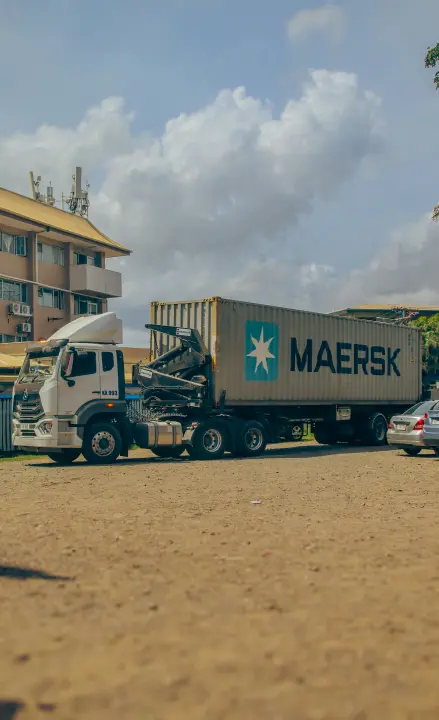
Buying a shipping container is only part of the process. Getting it delivered and placed properly is what usually determines whether the project goes smoothly or turns into a frustrating experience.
In the Bay Area, access can be one of the biggest challenges. Narrow streets, parked vehicles, hills, soft ground, overhead lines, and limited turning space can all affect where and how a container can be placed. Even properties with plenty of room can run into problems if the approach path isn’t suitable for a delivery truck.
Before scheduling transport, it helps to understand how containers are typically unloaded, how much space is required, and what conditions drivers look for when evaluating a site.
This guide covers the basics of container delivery in the Bay Area, including transport methods, site preparation, common placement challenges, and what to expect when the truck arrives.
Before Scheduling Delivery
A shipping container may seem straightforward to place, but access conditions matter more than many buyers expect.
Drivers usually evaluate:
-
- • Road width and turning space
- • Overhead clearance from trees or utility lines
- • Ground stability
- • Slope or uneven terrain
- • Gate openings and fence access
- • Nearby parked vehicles or structures
In dense Bay Area neighborhoods, the biggest issue is often maneuvering space rather than the size of the property itself. A location may have enough room for the container once it’s on the ground, but not enough room for the truck and trailer to position safely.
If possible, it’s helpful to provide photos of the site ahead of time, especially for residential deliveries.
Common Ways Containers Are Unloaded
Different properties require different unloading approaches. The method used usually depends on accessibility, available equipment, and where the container needs to be placed.
Tilt-Bed Trucks
Tilt-bed delivery is one of the most common methods for ground placement.
The trailer tilts upward while the container slowly slides onto the property. This approach works well when there’s enough straight clearance in front of the placement area.
Tilt-bed unloading is often used for:
-
- • Residential storage
- • Construction sites
- • Farms and open lots
- • Ground-level placement
One thing many first-time buyers underestimate is how much straight-line space the truck needs during unloading, especially for 40-foot containers.
Flatbed Trailers
Flatbed trailers are typically used when the customer has equipment available onsite to unload the container.
In these situations, a forklift, crane, or reach stacker may be needed to lift the container off the trailer.
Flatbeds are commonly used for:
-
- • Commercial sites
- • Ports and industrial yards
- • Locations with loading equipment already available
This method can work well when access is tight but lifting equipment is available nearby.
When a Crane May Be Needed
Not every delivery can be completed directly from the truck.
In some Bay Area neighborhoods, fences, retaining walls, elevation changes, or limited access make direct placement difficult. In those situations, a crane may be used to lift the container into position.
Crane placement is more common for:
-
- • Backyard installations
- • Hillside properties
- • Urban lots with restricted access
- • Sites requiring precise positioning
Because crane work adds coordination and equipment costs, it’s usually considered only when standard unloading methods are not practical.
Preparing the Site
The most successful deliveries usually happen when the site is prepared before the truck arrives.
A few things that help:
-
- • Removing vehicles from the access path
- • Trimming low tree branches
- • Marking the preferred container orientation
- • Checking for soft or muddy ground
- • Confirming overhead clearance
Ground conditions are especially important. Containers are extremely heavy, and delivery trucks can sink or lose traction on soft soil, particularly after rain.
Gravel, compacted soil, or concrete surfaces generally provide the best support.
Space Requirements for Container Placement
The amount of space required depends on both the container size and the unloading method.
20-Foot Containers
A 20-foot container is easier to maneuver and is usually the better option for tighter residential spaces.
Typical requirements include:
-
- • Straight truck access
- • Sufficient turning room
- • Clearance for trailer tilt during unloading
These containers are commonly used for:
-
- • Residential storage
- • Small business inventory
- • Jobsite equipment
- • Temporary project storage
40-Foot Containers
A 40-foot container requires considerably more room for placement.
In many urban Bay Area locations, the challenge is not the final placement area but the truck’s ability to align properly during unloading.
Longer containers typically require:
-
- • More straight clearance
- • Wider turning access
- • Stable and level ground
- • Fewer overhead obstructions
Properties on hills or narrow streets sometimes require additional planning before transport can be scheduled.
High Cube Containers
High cube containers are one foot taller than standard containers, which can create additional clearance concerns.
Tree branches, utility lines, awnings, and carports can all become issues during transport and unloading.
For high cube deliveries, vertical clearance is often just as important as ground space.
Common Delivery Issues
Most container delivery problems are preventable.
Some of the most common issues include:
-
- • Vehicles blocking access
- • Wet or unstable ground
- • Low tree branches
- • Incorrect container orientation
- • Limited turnaround space
- • Underestimating trailer length
Bay Area deliveries can also be affected by narrow residential streets and heavy street parking, particularly in older neighborhoods.
Discussing access conditions beforehand usually helps avoid delays or rescheduling fees.
What to Expect on Delivery Day
On arrival, the driver will usually inspect the placement area before unloading begins.
Depending on the site conditions, the truck may need to reposition several times before the container can be placed safely.
Customers are often asked to confirm:
-
- • Final placement location
- • Door orientation
- • Ground conditions
- • Clearance areas
Once unloading starts, the process itself is usually fairly quick. Most of the time is spent positioning the truck properly beforehand.
Transport Pricing Factors
Container transport pricing varies depending on several factors.
These may include:
-
- • Distance from the depot
- • Container size
- • Accessibility of the property
- • Terrain and site conditions
- • Whether special equipment is required
In the Bay Area, difficult access can sometimes affect pricing more than mileage alone.
A short delivery into a dense urban neighborhood may require more time and maneuvering than a longer delivery to an open suburban property.
Preparing for a Successful Container Placement
Container delivery is usually straightforward when the site is properly prepared and access conditions are discussed ahead of time.
Whether the container is being used for storage, construction, retail, or a conversion project, planning for transport and placement early can help avoid unnecessary delays and added costs.
For Bay Area properties with limited access, hills, or tight placement conditions, sharing photos and site details in advance often makes the process much easier for both the customer and the driver.
At Four Sons Logistics, we work with customers across the Bay Area on container supply and delivery coordination for a range of residential and commercial projects.
If you’re exploring container options, you can request a quote to check availability and pricing based on your project needs.
Common Questions About Container Delivery in the Bay Area
How much space is needed to deliver a shipping container?
The amount of space required depends on the size of the container and the type of truck being used. In most cases, the driver needs enough room to safely maneuver, align the trailer, and unload the container without obstructions. Longer containers usually require more straight-line clearance during placement.
What ground surface is best for a shipping container?
Shipping containers are typically placed on stable, level surfaces such as gravel, concrete, asphalt, or compacted soil. Soft or muddy ground can create problems during unloading and may cause the container to settle unevenly over time.
Can a container be delivered on a narrow residential street?
It depends on the width of the street, parked vehicles, overhead clearance, and available turning space. In some Bay Area neighborhoods, access can be more challenging than the actual placement area. Sharing site photos in advance often helps determine whether delivery is possible.
How long does container unloading usually take?
The unloading process itself is often fairly quick once the truck is in position. Most delays happen during positioning and maneuvering, especially on properties with limited access or tight clearance.
What can delay a container delivery?
Common causes of delays include blocked access, parked vehicles, low tree branches, soft ground conditions, incorrect site measurements, and limited turning space for the truck and trailer.
___
Featured image credit: Nem Malosi on Unsplash