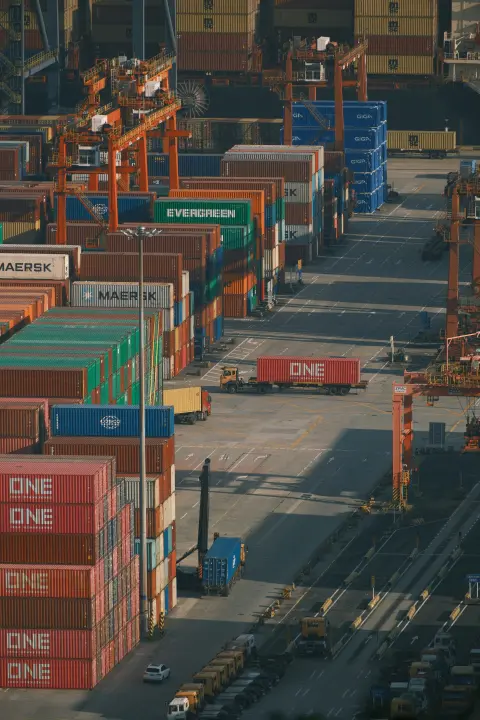
Shipping container delivery costs in 2026 typically range from $300 to $3,000 or more, depending on container size, delivery distance, site accessibility, transportation requirements, and regional demand. Rural shipping container delivery often costs more than urban delivery because of longer travel distances, limited carrier availability, and additional equipment requirements.
Understanding the total cost of delivering a shipping container to a rural U.S. location requires evaluating several factors, including the purchase price, transportation expenses, delivery charges, permit fees, site preparation costs, and any modifications you may need.
Whether you’re purchasing a new or used shipping container, variables such as container size, container type, transportation routes, and delivery conditions can significantly affect the final price.
This guide explores shipping container pricing, delivery cost estimates, transportation expenses, and practical ways to reduce overall costs. You’ll also find expert tips on comparing quotes, negotiating rates, and preparing your site for delivery.
Average Shipping Container Delivery Costs
The following estimates provide a general overview of shipping container delivery fees in 2026:
| Container Size | Typical U.S. Delivery Cost (2026 Estimate) |
|---|---|
| 20ft Shipping Container | $300–$1,500 |
| 40ft Shipping Container | $500–$2,500 |
| 40ft High Cube Container | $600–$3,000+ |
| Rural or Remote Deliveries | Add $200–$1,000+ |
Note:These delivery cost estimates are for general reference only. Actual shipping container delivery costs vary based on mileage, fuel surcharges, site accessibility, permits, unloading requirements, and local market conditions. Rural locations and specialized equipment such as cranes or side loaders may significantly increase transportation expenses.
Shipping Container Prices Vary by Size and Type
How Container Size Affects Shipping Container Pricing
Container size is one of the most significant factors affecting both purchase price and transportation costs. A used 20ft shipping container typically costs less than a 40ft container or a 40ft high cube container. Larger containers generally require heavier equipment and may involve additional permitting requirements during transport.
When comparing new and used containers, consider not only the purchase price but also long-term ownership expenses such as maintenance, repairs, and modifications. Buyers should request detailed photos, inspection reports, and certifications to verify the container’s condition before purchasing.
Standard vs. High Cube vs. Refrigerated Containers
The type of shipping container you choose directly affects pricing and transportation requirements. Standard containers, high cube containers, and refrigerated containers each serve different purposes and come with different costs.
For example, a 40ft high cube container provides additional interior height, making it a popular choice for storage and conversion projects. However, it may cost more to transport due to height restrictions on certain roads and highways.
Understanding your intended use can help you choose the most cost-effective container while avoiding unnecessary transportation expenses.
Total Cost of a Shipping Container
The total shipping container cost extends beyond the purchase price. Buyers should account for:
- • Container purchase price
- • Transportation expenses
- • Delivery fees
- • Site preparation costs
- • Permit fees
- • Placement and unloading charges
- • Modification expenses
Container availability, fuel costs, regional demand, and transportation routes all influence final pricing. Obtaining itemized quotes helps ensure there are no unexpected expenses.
Shipping Container Delivery Costs for Rural Areas
Average Shipping Container Delivery Costs in Rural Areas
Delivering a shipping container to a rural property generally costs more than delivering to an urban location. Longer travel distances, fewer available carriers, and specialized unloading equipment often increase transportation expenses.
Shipping container delivery fees typically depend on:
- • Delivery distance
- • Road accessibility
- • Site conditions
- • Unloading requirements
- • Permit requirements
- • Equipment needs
Some providers charge a flat delivery fee, while others calculate pricing based on mileage and service requirements.
Before scheduling delivery, confirm whether your quote includes unloading, placement, permits, and equipment fees.
Shipping Container Transport Costs
Shipping container transport costs depend on container size, weight, fuel surcharges, driver labor, local regulations, and transportation distance.
Rural deliveries frequently involve additional travel time and deadhead mileage, which can increase costs. Comparing multiple transportation quotes from local and national carriers can help identify the most affordable option.
Request a detailed breakdown of all charges, including transportation, handling, storage, and fuel-related fees.
Cost to Move a Shipping Container
The cost to move a shipping container from a depot to its final destination varies based on distance, container size, and site accessibility.
Moving a shipping container within a rural property may require local heavy-equipment operators, cranes, forklifts, or specialized hauling equipment. If the container must travel on public roads, permits may also be necessary.
Setting aside a contingency budget can help prevent unexpected delays and expenses.
Used vs. New Shipping Containers
Used Shipping Containers
Used shipping containers are often a cost-effective solution for storage projects and basic applications. Pricing varies based on age, condition, inspection history, and prior use.
Before purchasing a used container, inspect critical structural components such as:
- • Flooring
- • Doors
- • Corner castings
- • Roof panels
- • Seals and locking mechanisms
Although used containers offer lower upfront costs, potential repairs should be included in your overall budget calculations.
New Shipping Containers
New containers provide superior condition, longer service life, and greater consistency. They are frequently chosen for container modifications, conversions, and long-term storage applications.
While the upfront investment is higher, reduced maintenance expenses often provide better long-term value.
Understanding Used Container Pricing
Used container pricing fluctuates based on regional inventory levels, market demand, and global shipping activity.
Local inventory availability can significantly impact pricing, especially when transportation costs are minimal. When evaluating quotes, factor in inspection reports and estimated repair expenses to determine the true value of the container.
Hidden Costs That Affect Shipping Container Delivery Pricing
Transportation Routes and Shipping Schedules
Transportation routes and scheduling can significantly influence shipping container delivery costs. Longer transport distances increase freight expenses and may extend delivery timelines.
Seasonal demand, fuel price fluctuations, and port congestion can also affect both container pricing and transportation rates.
Purchasing during slower periods may help reduce costs.
Delivery Access and Site Conditions
Site accessibility directly affects container delivery pricing.
Potential challenges include:
- • Narrow roads
- • Soft ground
- • Limited turning space
- • Steep driveways
- • Low-hanging utility lines
Some rural properties may require grading, compacted surfaces, or reinforced foundations before delivery can occur.
Discuss site conditions with your provider in advance to avoid surprise fees.
Permits and Regulations
Permit requirements vary by state and municipality. Oversized loads, particularly 40ft containers and high cube containers, may require transportation permits and approved travel routes.
Failure to secure required permits can lead to delays, fines, and additional charges.
Always confirm permit responsibilities before scheduling delivery.
How to Estimate Shipping Container Delivery Costs
To obtain an accurate shipping container delivery quote, request itemized pricing that includes:
- • Container purchase price
- • Transportation charges
- • Delivery fees
- • Placement costs
- • Equipment fees
- • Permit costs
- • Site preparation expenses
- • Modification costs
Comparing multiple quotes from local suppliers and national providers can help identify the best overall value.
Ways to Save on Shipping Container Delivery Costs
Several strategies can help reduce shipping container moving costs:
- • Purchase inventory located closer to your property.
- • Schedule delivery during non-peak periods.
- • Prepare a level and accessible drop zone.
- • Bundle transportation and placement services.
- • Purchase multiple containers to qualify for volume discounts.
- • Compare multiple shipping container delivery quotes.
Requesting a detailed cost breakdown can also help identify unnecessary charges and opportunities for negotiation.
Ready to Get a Shipping Container Delivery Quote?
Shipping container delivery costs in 2026 can vary based on container size, transportation distance, site accessibility, permits, and equipment requirements. Understanding these factors can help you budget accurately, compare quotes effectively, and avoid unexpected expenses.
Whether you need a new 40ft container, a used 20ft container, or a complete transportation solution, Four Sons Logistics can help simplify the process with transparent pricing, delivery coordination, and professional placement services.
Contact Four Sons Logistics today to compare your options, receive an accurate shipping container delivery quote, and secure reliable delivery for your property.
Shipping Container Delivery Cost FAQs for 2026
How Much Does It Cost to Deliver a Shipping Container in 2026?
The cost to deliver a shipping container in 2026 typically ranges from $300 to $3,000 or more, depending on container size, delivery distance, site accessibility, and unloading requirements. Rural and remote locations may incur additional transportation charges due to longer travel distances and specialized equipment needs.
Is It More Expensive to Deliver a 40ft Shipping Container Than a 20ft Container?
Yes. A 40ft shipping container generally costs more to transport than a 20ft container because it requires larger equipment, additional handling, and may be subject to route restrictions or permit requirements. Delivery costs for 40-foot containers can range from $500 to $2,500 or more, depending on location and accessibility.
What Factors Affect Shipping Container Delivery Costs?
Several factors influence shipping container delivery costs, including:
- • Container size and weight
- • Delivery distance
- • Fuel prices and transportation rates
- • Rural versus urban location
- • Site accessibility
- • Permits and local regulations
- • Equipment requirements such as cranes or side loaders
These variables can significantly impact the total cost of delivery.
How Can I Reduce the Cost of Shipping Container Delivery?
You can lower shipping container delivery costs by choosing a nearby container depot, preparing your site before delivery, scheduling transportation during non-peak periods, and bundling delivery with container placement services. Comparing multiple quotes can also help you find the best pricing.
Do I Need a Permit to Deliver a Shipping Container to My Property?
Permit requirements vary by state, county, and municipality. In some areas, permits may be required for oversized loads, road access, container placement, or long-term storage. Before purchasing a container, check local regulations and ask your delivery provider whether permit assistance is included in the transportation quote.
___
Featured image credit: 雙 film on Unsplash