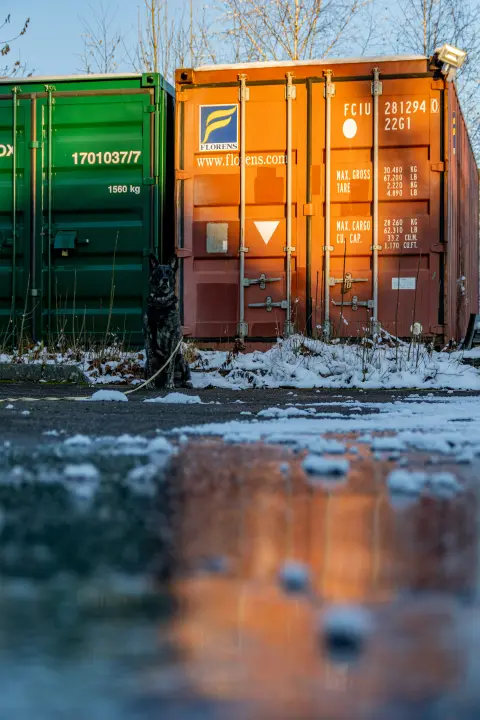
Shipping containers are designed to withstand harsh conditions while transporting cargo across oceans and land. However, their lifespan can vary significantly based on several factors, including material durability, usage, and maintenance practices. Generally, a shipping container can last anywhere from 10 to 25 years, depending on whether it’s new or used. Understanding the average lifespan of a shipping container is crucial for anyone considering buying one for storage or building a container home.
In this article, we’ll explore how long shipping containers last and the factors that influence their longevity. From rust and corrosion to regular maintenance and everyday wear and tear, many elements can impact a container’s life expectancy. Whether you’re looking to purchase new or used shipping containers or seeking tips to extend their lifespan, this guide provides essential insights.
Factors Affecting the Lifespan of a Shipping Container
Several factors can affect how long a shipping container lasts, including:
- • Material durability – The quality and type of steel used.
- • Environmental conditions – Exposure to moisture, salt air, or temperature extremes.
- • Maintenance practices – Regular cleaning, repainting, and inspections.
Material Durability
The material used to construct a shipping container plays a significant role in determining its lifespan. Most containers are made from corten steel, known for its strength and corrosion resistance. However, even the best materials can succumb to rust over time, especially if not properly maintained. Regular inspections and timely repairs can help ensure your container lasts as long as possible.
Environmental Conditions
Shipping containers are often exposed to harsh environmental conditions that can affect their longevity. Environmental factors that can reduce a container’s lifespan include:
- • High humidity – Encourages rust and corrosion.
- • Saltwater exposure – Common near coastal areas, accelerates metal decay.
- • Extreme temperatures – Can weaken structural integrity over time.
- • Poor drainage or ground contact – Causes water pooling and rust underneath.
Containers used in coastal areas tend to experience more rust, while those stored in dry climates generally last longer. Understanding these environmental impacts helps you decide the best placement for your container.
Maintenance Practices
Regular maintenance is key to extending a container’s lifespan. Important tasks include:
- • Painting or recoating to prevent rust and corrosion.
- • Inspecting for dents or leaks that could let in moisture.
- • Lubricating door hinges and locks for smooth operation.
- • Cleaning the roof and gutters to prevent water buildup.
Neglecting maintenance can lead to rapid deterioration and reduce your container’s usable life. By investing time in proper upkeep, you can ensure it serves you well for many years.
How Long Do Shipping Containers Last?
Average Shipping Container Lifespan
The average lifespan of a shipping container depends on its usage and level of maintenance. On average, containers last 10 to 25 years. Used containers may have shorter lifespans due to previous wear, while new containers can provide longer service. Considering these factors helps you get the best value for your investment.
Longevity of Shipping Containers
A container’s longevity largely depends on its initial quality and ongoing care. Containers that are regularly inspected and repaired tend to remain durable longer. Additionally, using containers for stationary storage rather than shipping reduces wear from transit, extending their lifespan. Choosing a high-quality unit and maintaining it properly will help you maximize its longevity.
Impact of Usage on Lifespan
How you use your container also affects how long it lasts. Containers used for transporting heavy cargo endure more stress than those used for storage. Proper loading and unloading practices can minimize structural strain.
By being mindful of how you use your shipping container, you can extend its lifespan and maintain its integrity over time.
Maintaining Your Shipping Container
Regular Inspections
Regular inspections are a proactive way to identify potential issues before they worsen. During inspections, check for:
- • Rust spots or corrosion on the walls and corners
- • Dents or holes in the structure
- • Leaking seals or warped doors
- • Soft spots on the floor that indicate rot or water damage
Addressing these issues promptly helps prevent further damage and prolongs your container’s life.
Repairing Damage
If you notice any damage during an inspection, address it immediately. Common problems include:
- • Rust spots or peeling paint
- • Leaks or holes that allow moisture inside
- • Damaged doors or seals that affect security or insulation
Prompt repairs prevent minor issues from turning into major structural problems. Whether it’s surface rust or significant wear, timely maintenance ensures your container stays in top shape.
Protecting Against Rust and Corrosion
Rust and corrosion are the most common threats to a container’s longevity. To protect against them:
- • Apply a protective coating or marine-grade paint.
- • Keep the container elevated on blocks or beams to prevent standing water.
- • Clean regularly to remove salt, dust, or debris buildup.
- • Repair scratches or chips before they develop into rust patches.
Taking these preventive steps can significantly extend your container’s lifespan.
Conclusion
Understanding a shipping container’s lifespan is essential for anyone investing in storage solutions or container homes. To maximize its longevity:
- • Choose high-quality materials (like corten steel).
- • Store it in a dry, well-drained location.
- • Perform regular maintenance and inspections.
By considering these key factors—material durability, environmental conditions, and maintenance practices—you can make informed choices and protect your investment.
Four Sons Logistics offers a variety of new and used shipping containers for sale, along with fast delivery services. Request a quote today and start your journey toward finding the perfect shipping container for your needs.
___
Featured image credit: Noel Wangler on Unsplash