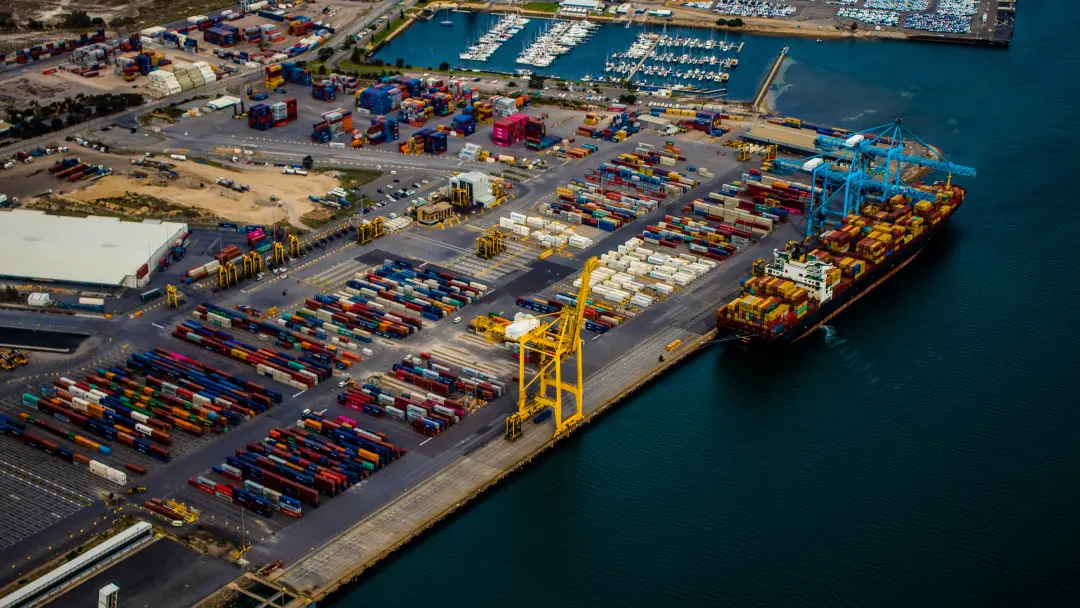
Intermodal transport plays a major role in keeping goods moving efficiently across the United States. By combining rail, trucking, and shipping containers into a single, integrated system, businesses can transport cargo more cost-effectively, securely, and reliably over long distances.
As global trade and domestic shipping demands continue to grow, understanding how intermodal transportation works has become increasingly important for businesses looking to improve supply chain performance. From ports and rail terminals to trucking routes and container delivery, every part of the network works together to keep products moving smoothly from origin to destination.
In this guide, we’ll break down the fundamentals of U.S. intermodal transport, explain the role of shipping containers, and highlight the key logistics terms businesses should know before buying or transporting containers.
The Role of Shipping Containers in Intermodal Transport
What Is Containerization?
Containerization transformed the freight industry by standardizing cargo transport. Instead of loading individual items onto ships, trains, or trucks, goods are packed into steel shipping containers that can easily transfer between transportation modes.
This standardized system significantly improves efficiency, reduces handling time, and helps protect cargo during transit. Because intermodal containers are built to universal sizing standards, the same container can move seamlessly from a cargo ship to a railcar and then onto a truck chassis without unloading the cargo inside.
For businesses exploring shipping containers for sale, understanding containerization is important when deciding between new and used shipping containers.
Types of Shipping Containers
Shipping containers are available in several configurations depending on the cargo being transported. The most common option is the standard dry container, which is widely used for general freight and storage.
Other container types include:
- • Refrigerated containers (reefers) for temperature-sensitive cargo
- • Open-top containers for oversized equipment
- • Flat rack containers for heavy machinery
- • Tank containers for liquid transport
Both new and used shipping containers are available in a range of sizes and conditions. Choosing the right type depends on your cargo requirements, budget, and intended use.
Container Security and Tracking
Modern intermodal logistics relies heavily on technology to improve container security and shipment visibility. GPS tracking systems provide real-time location updates, while electronic seals help prevent unauthorized access during transit.
For businesses transporting valuable or sensitive goods, these systems offer greater transparency and peace of mind throughout the shipping process. Security and tracking capabilities are also important considerations when buying a shipping container for transportation or storage purposes.
Rail Transportation in the Intermodal System
Rail Networks and Intermodal Terminals
Rail transportation serves as the backbone of long-distance freight movement in the United States. Major rail networks connect ports, distribution centers, and inland cities, allowing large volumes of cargo to move efficiently across the country.
Intermodal terminals act as transfer hubs where shipping containers are loaded onto or removed from trains. Efficient terminal operations help reduce delays and improve delivery timelines for both domestic and international shipments.
Rail transport is especially beneficial for long-haul freight because it offers lower fuel consumption, reduced emissions, and competitive transportation costs.
Double-Stack Rail Transport
One of the biggest innovations in intermodal rail transport is double-stacking, which allows two shipping containers to be stacked vertically on a single railcar.
Specialized railcars, such as well cars and spine cars, are designed specifically for this purpose. Double-stacking increases cargo capacity while helping lower transportation costs for shippers.
This method has become a standard practice across many U.S. freight rail networks because it maximizes efficiency without requiring additional railcars.
Advantages of Rail Freight
Rail shipping offers several advantages for businesses transporting containers across long distances, including:
- • Improved fuel efficiency
- • Lower greenhouse gas emissions
- • Reduced highway congestion
- • Reliable transit schedules
- • High-volume freight capacity
For companies moving large quantities of goods, rail remains one of the most cost-effective transportation methods within the intermodal system.
Trucking’s Role in Intermodal Transportation
Drayage Services
While rail handles long-distance transportation, trucking provides the critical short-distance connections that keep intermodal logistics moving efficiently.
This short-haul movement of containers between ports, rail terminals, warehouses, and customer locations is known as drayage.
Drayage providers play an essential role in minimizing delays and ensuring smooth transitions between transportation modes. Reliable drayage services are especially important when coordinating time-sensitive shipments.
Container Chassis and Equipment
Shipping containers are transported on roads using specialized trailers known as container chassis. These chassis are specifically designed to support container dimensions and secure cargo during transit.
Businesses purchasing shipping containers should also consider transportation equipment availability, especially when planning container delivery or relocation.
Routine chassis inspections and maintenance help reduce breakdowns, improve safety, and prevent costly shipping delays.
Last-Mile Delivery
Last-mile delivery refers to the final stage of the transportation process, when containers arrive at their final destination.
Whether the container is being delivered to a business site, construction project, storage yard, or residential property, trucking companies are responsible for ensuring timely and accurate delivery.
Reliable last-mile logistics can significantly improve customer satisfaction and overall supply chain efficiency.
Ports and Intermodal Terminals
Major U.S. Ports
Some of the busiest ports in the United States include:
- • Port of Los Angeles
- • Port of Long Beach
- • Port of New York and New Jersey
- • Port of Savannah
- • Port of Houston
These ports serve as major gateways for international trade and handle millions of shipping containers every year.
For businesses importing or exporting cargo, proximity to major ports can impact shipping costs, transit times, and equipment availability.
Technology in Terminal Operations
Modern intermodal terminals use advanced technologies to improve cargo handling efficiency and reduce congestion.
Common technologies include:
- • Automated container cranes
- • RFID tracking systems
- • Digital inventory management
- • Yard management software
- • Real-time shipment monitoring
These systems help improve turnaround times while reducing operational costs across the supply chain.
Customs and Regulatory Compliance
International shipping requires compliance with customs regulations, documentation requirements, and import/export laws.
Businesses transporting shipping containers internationally should work with experienced logistics providers to help manage customs clearance and avoid unnecessary delays.
Proper documentation and regulatory compliance are essential for maintaining efficient intermodal operations.
Buying Shipping Containers: What Businesses Should Know
Choosing the Right Container
The right shipping container depends on several factors, including:
- • Cargo type
- • Budget
- • Storage requirements
- • Transportation needs
- • Container condition
Buyers can choose between new and used shipping containers depending on their intended application. New containers typically offer longer service life and cleaner interiors, while used containers provide a more affordable solution for storage or modified projects.
Inspecting and Maintaining Containers
Before purchasing a container, it’s important to inspect for:
- • Structural damage
- • Rust or corrosion
- • Water leaks
- • Door seal condition
- • Flooring integrity
Routine maintenance helps extend the lifespan of shipping containers and preserve their long-term value.
Many suppliers also offer professional inspection services to help buyers make informed purchasing decisions.
Finding a Reliable Supplier
Choosing a trusted supplier is one of the most important steps when purchasing shipping containers.
Look for companies that provide:
- • Transparent pricing
- • Detailed container descriptions
- • Multiple container options
- • Delivery services
- • Responsive customer support
Four Sons Logistics offers a wide selection of new and used shipping containers for sale, helping customers across the United States find reliable storage and transportation solutions.
Why Intermodal Transport Matters
Intermodal transportation keeps the U.S. supply chain moving by combining the strengths of rail, trucking, and shipping containers into one highly efficient system. From ports and rail terminals to drayage operations and final delivery, every part of the network plays a critical role in modern freight logistics and nationwide commerce.
Whether you’re buying a shipping container for storage, transportation, or a custom project, understanding how intermodal transport works can help you make smarter logistics decisions, improve efficiency, and better manage long-term operational costs.
Four Sons Logistics provides high-quality new and used shipping containers with dependable nationwide delivery and knowledgeable customer support. Whether you need a single container or a long-term logistics solution, our team is here to help you find the right fit for your business.
Ready to get started? Contact Four Sons Logistics today to request a quote and explore available shipping container options.
___
Featured image credit: Alex Duffy on Unsplash