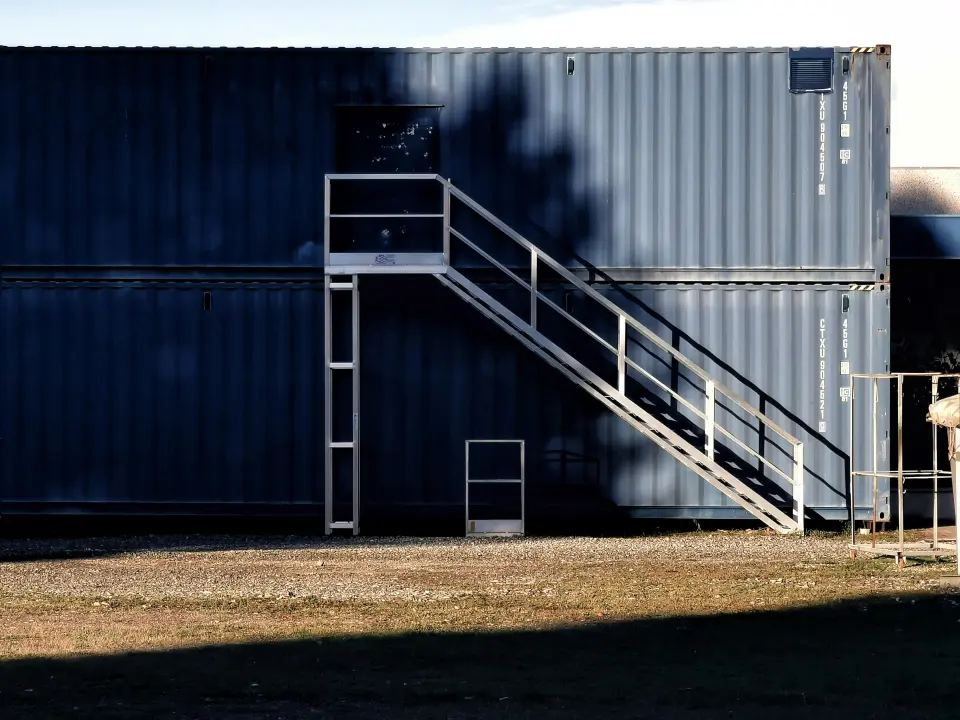
Can a Shipping Container Be Used as a Storage Unit?
Yes. Shipping containers can be converted into highly secure, weather-resistant storage units for residential, commercial, agricultural, and construction-site use. By choosing the right container size, preparing a stable foundation, improving ventilation, adding security upgrades, and organizing the interior effectively, you can create a durable storage solution that protects tools, equipment, inventory, furniture, and other valuable items.
Whether you’re considering new or used shipping containers for sale, this guide explains how to convert a shipping container into a secure storage unit, including container selection, site preparation, ventilation, insulation, security improvements, organization strategies, and long-term maintenance tips.
How Do You Convert a Shipping Container into a Storage Unit?
Converting a shipping container into a storage unit is a straightforward process:
- Choose the right container size and condition.
- Prepare a level foundation and delivery site.
- Improve ventilation to reduce condensation.
- Add insulation if storing temperature-sensitive items.
- Install secure locks and security upgrades.
- Organize the interior with shelving and storage systems.
- Perform routine maintenance and inspections.
With proper planning and upgrades, a standard cargo container can become a secure, long-lasting storage solution for nearly any application.
Shipping Container Storage Options at a Glance
| Container Type | Best For | Key Benefit |
| 20ft Standard Container | Household storage, tools, small businesses | Affordable and compact |
| 40ft Standard Container | Large inventory and equipment | Greater storage capacity |
| 20ft High Cube Container | Tall equipment and shelving | Extra interior height |
| 40ft High Cube Container | Bulk storage and commercial use | Maximum storage volume |
| Modified Shipping Container | Frequent access applications | Custom doors and layouts |
| Refrigerated Container | Temperature-sensitive items | Climate-controlled storage |
How to Choose the Right Shipping Container for Storage
Assess Your Storage Needs and Container Size
Start by determining what you plan to store and how much space you’ll need.
- • 20ft shipping containers are ideal for household items, tools, equipment, and smaller inventory.
- • 40ft shipping containers provide additional room for commercial storage and larger projects.
- • High cube containers offer an extra foot of interior height for tall shelving and oversized items.
When selecting a container, consider:
- • Long-term vs. temporary storage
- • Available property space
- • Delivery truck access
- • Loading equipment requirements
- • Door clearance and walkways
- • Future storage expansion
Choosing the correct size from the beginning helps avoid wasted space and unnecessary costs.
New vs. Used Shipping Containers for Sale
When deciding between new and used shipping containers, consider your budget and intended use.
New Shipping Containers
Benefits include:
- • Cleaner interior condition
- • Better cosmetic appearance
- • Longer service life
- • Fewer maintenance concerns
Used Shipping Containers
Benefits include:
- • Lower upfront cost
- • Excellent value for general storage
- • Wide availability
Before purchasing a used container, inspect:
- • Roof condition
- • Floor integrity
- • Rust and corrosion
- • Door alignment
- • Weather seals
- • Structural damage
Purchasing from a reputable container supplier helps ensure long-term reliability.
Standard, High Cube, and Specialty Containers
Different storage applications may require different container types.
Common options include:
- • Standard containers
- • High cube containers
- • Ventilated containers
- • Refrigerated containers
- • Side-opening containers
- • Roll-up door containers
- • Portable storage containers
Selecting the right container from the start can reduce modification costs and improve functionality.
How to Prepare a Shipping Container for Secure Storage
Site Preparation and Foundation Options
A stable, level foundation helps maximize the lifespan and performance of your storage container.
Common foundation options include:
- • Gravel pads
- • Concrete slabs
- • Concrete piers
- • Railroad ties
- • Heavy-duty blocks
Before Delivery Checklist
Before your shipping container arrives, ensure you have:
- • A level installation area
- • Proper drainage
- • Adequate truck access
- • Door opening clearance
- • Safe loading space
- • Required permits if applicable
Good site preparation reduces corrosion risks and helps doors operate properly over time.
Improve Ventilation and Prevent Condensation
Condensation is one of the most common issues affecting shipping container storage.
Without proper airflow, moisture can lead to:
- • Mold growth
- • Mildew
- • Rust
- • Corrosion
- • Damage to stored goods
Condensation Prevention Checklist
To minimize moisture buildup:
- • Install wall vents
- • Add roof vents
- • Use turbine vents
- • Improve cross ventilation
- • Install insulation
- • Add vapor barriers
- • Use desiccant packs
- • Run a dehumidifier when necessary
- • Perform regular inspections
These upgrades help protect furniture, tools, documents, electronics, and inventory.
Insulation, Flooring, and Interior Preparation
Insulation can improve interior conditions and reduce condensation risks in areas with significant temperature fluctuations.
Consider:
- • Spray foam insulation
- • Rigid foam board insulation
- • Vapor barriers
- • Reflective insulation systems
Inspect flooring before use and repair any damage if necessary.
Interior upgrades may include:
- • Shelving systems
- • Storage racks
- • Wall-mounted hooks
- • Tool organizers
- • Storage bins
A well-organized interior improves efficiency and storage capacity.
Essential Security Upgrades for Shipping Container Storage
Locks, Hasps, and Reinforced Doors
Security is one of the biggest advantages of shipping container storage.
Recommended Security Upgrades
- • Heavy-duty container padlocks
- • Lock boxes
- • Bolt-on hasps
- • Reinforced door hardware
- • Tamper-evident seals
- • Smart locking systems
- • Alarmed locks
These upgrades help protect valuable tools, inventory, equipment, and personal belongings.
Lighting, Cameras, and Remote Monitoring
Additional security features may include:
- • Motion-activated lighting
- • Solar-powered security lights
- • Surveillance cameras
- • Smart sensors
- • Remote monitoring systems
- • Door-open alerts
These systems provide extra protection and improve visibility around the storage unit.
Anchoring, Grounding, and Weatherproofing
Long-term storage installations should include:
- • Proper anchoring systems
- • Grounding for electrical installations
- • Weather-resistant door seals
- • Roof coatings
- • Rust-resistant paint
- • Vent covers
These upgrades improve safety, security, and durability.
How to Organize a Shipping Container Storage Unit Efficiently
Racking, Shelving, and Vertical Storage
Maximize storage capacity by utilizing vertical space.
Best practices include:
- • Adjustable shelving
- • Pallet racking
- • Wall-mounted hooks
- • Labeled storage bins
- • Dedicated inventory zones
High cube containers are especially useful for vertical storage systems.
Doors, Ramps, and Loading Considerations
Evaluate access requirements before organizing the space.
You may benefit from:
- • Loading ramps
- • Forklift access
- • Pallet jacks
- • Roll-up doors
- • Side-opening doors
- • Reinforced flooring
Planning for loading and unloading improves daily efficiency.
Labeling, Inventory, and Maintenance Routines
Storage Organization Tips
- • Label all shelves and containers
- • Store frequently used items near the entrance
- • Leave center aisles clear
- • Keep heavy items low
- • Use inventory tracking systems
- • Group similar items together
Routine inspections help maintain long-term performance and security.
Shipping Container Storage Costs, Permits, and Long-Term Considerations
Budgeting for New and Used Shipping Containers
When calculating costs, consider:
- • Container purchase price
- • Delivery charges
- • Foundation installation
- • Permits
- • Ventilation upgrades
- • Insulation
- • Security systems
- • Shelving and organization systems
Understanding total ownership costs helps you budget effectively.
Permits, Zoning, and Storage Regulations
Permit requirements vary by location.
Before installation, verify:
- • Local zoning regulations
- • Property setbacks
- • Building codes
- • Fire safety requirements
- • Commercial site regulations
Compliance helps avoid costly issues later.
Scaling, Resale Value, and Sustainability
Shipping containers offer several long-term advantages:
- • Easy expansion with additional units
- • Strong resale value
- • Modular storage flexibility
- • Sustainable reuse of steel containers
- • Low-maintenance operation
These benefits make container storage an attractive alternative to traditional storage buildings.
DIY vs. Professional Shipping Container Conversions
Basic projects suitable for DIY installation may include:
- • Shelving
- • Vent installation
- • Lock upgrades
- • Organization systems
Professional assistance is recommended for:
- • Electrical work
- • Structural modifications
- • Major door installations
- • Spray foam insulation
- • Complex customizations
Balancing cost, safety, and long-term performance will help determine the best approach.
Maintenance and Safety Tips for Shipping Container Storage
Regular inspections help extend container life and protect stored belongings.
Inspect regularly:
- • Roof panels
- • Side walls
- • Flooring
- • Door seals
- • Locks
- • Vents
- • Foundations
- • Anchoring systems
Additional maintenance practices include:
- • Maintaining proper drainage
- • Controlling pests
- • Removing debris
- • Monitoring humidity levels
- • Repainting exposed metal when needed
Consistent maintenance helps prevent costly repairs.
Ready to Convert a Shipping Container into Secure Storage?
Whether you need residential storage, commercial inventory space, construction-site storage, or agricultural equipment protection, shipping containers provide a durable and cost-effective solution.
Four Sons Logistics offers new and used shipping containers for sale, reliable delivery services, and expert assistance in selecting the right container size and condition for your storage needs.
Contact Four Sons Logistics today to request a quote and find the right shipping container for your storage project.
Conclusion
Shipping container storage is one of the most flexible, durable, and cost-effective ways to create secure storage space. By selecting the right container, preparing the site properly, improving ventilation, upgrading security, and maintaining the unit over time, you can transform a standard cargo container into a reliable long-term storage solution.
Whether you’re looking for a 20ft container, a 40ft high cube container, or a customized storage unit, investing in the right setup can provide years of dependable storage and protection.
Frequently Asked Questions About Shipping Container Storage
Can a shipping container be used as a storage unit?
Yes. Shipping containers are widely used as secure storage units for tools, equipment, furniture, inventory, records, and household belongings.
What size shipping container is best for storage?
A 20ft shipping container is ideal for most residential and small business storage needs, while a 40ft container offers greater capacity for commercial applications and larger equipment.
How do I stop condensation inside a shipping container?
Installing ventilation, insulation, vapor barriers, and dehumidifiers can help reduce condensation and protect stored items from moisture damage.
Are shipping containers secure for long-term storage?
Yes. Shipping containers are highly secure when equipped with quality locks, lock boxes, reinforced doors, lighting, and security cameras.
Do I need a permit for a shipping container storage unit?
Permit requirements vary by city and county. Always check local zoning regulations and building requirements before installation.
How long do shipping containers last?
With proper maintenance, a shipping container used for storage can last 25 years or more.
___
Featured image credit: Mauro Favaron on Unsplash