Shipping containers have become increasingly popular for storage and housing because they are durable, secure, cost-effective, and highly versatile. Originally designed to transport cargo across long distances, shipping containers are now used by homeowners, businesses, contractors, and developers for everything from on-site storage and mobile offices to container homes and commercial spaces.
Many people considering container storage ask questions such as: Are shipping containers better than traditional storage units? Are used shipping containers reliable? Can shipping containers be converted into homes? The answer often depends on the intended use, budget, and customization requirements. However, for many buyers, shipping containers offer greater flexibility, long-term value, and convenience than traditional storage options.
As demand continues to grow across the United States, understanding the benefits, storage capabilities, costs, and housing potential of shipping containers can help you determine whether they are the right solution for your project.
Why More Americans Are Turning to Shipping Containers
Several factors have contributed to the growing popularity of shipping containers in recent years. Rising storage costs, increasing demand for flexible workspaces, growth in e-commerce businesses, and interest in alternative housing solutions have all fueled demand.
Homeowners are using containers to create additional storage space without building permanent structures. Contractors rely on them to secure tools and equipment at job sites. Businesses use containers to store inventory, seasonal products, and operational supplies. At the same time, developers and individuals seeking affordable housing alternatives are exploring container homes as a practical solution.
Because shipping containers can serve multiple purposes while offering long-term value, they have become a versatile investment for both residential and commercial applications.
Why Shipping Containers Have Become a Popular Storage Solution
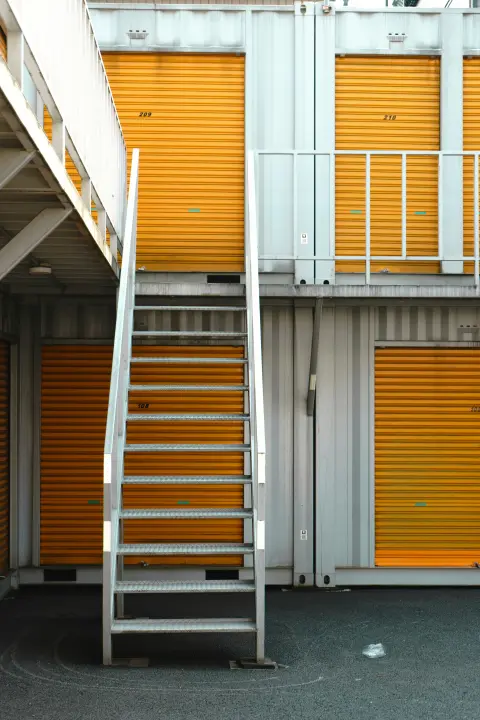
One of the biggest reasons for the growing popularity of shipping containers is convenience. Unlike traditional storage units located off-site, containers can be delivered directly to your property, giving you immediate access to your belongings whenever you need them.
This flexibility is especially valuable for contractors, small business owners, and homeowners who require frequent access to tools, equipment, inventory, or personal items. Instead of making repeated trips to a storage facility, everything remains accessible on-site.
Shipping containers also provide exceptional durability. Built from heavy-duty steel to withstand harsh ocean conditions, they offer superior protection against weather, pests, and unauthorized access.
More Storage Space and Greater Flexibility
Shipping containers are available in multiple sizes, allowing users to choose the right amount of storage for their needs.
Popular options include:
- • 20-foot shipping containers
- • 40-foot shipping containers
- • 40-foot high-cube containers
- • Specialty container configurations
Unlike traditional self-storage units, shipping containers can be customized with shelving, lighting, ventilation, and organizational systems. This allows businesses and homeowners to maximize usable space while maintaining easy access to stored items.
For growing businesses, containers provide scalable storage without the long-term costs associated with expanding warehouse space or renting larger storage facilities.
Shipping Containers vs. Traditional Storage Units
When comparing shipping containers to traditional self-storage facilities, several key differences stand out.
Accessibility
Traditional storage facilities often have limited operating hours and require travel to access stored items. Shipping containers can be placed directly on your property, providing convenient access whenever needed.
Cost Savings
For long-term storage, purchasing a container can be more economical than paying monthly storage fees. Businesses and homeowners who require ongoing storage often find that container ownership delivers better value over time.
Customization
Storage containers can be modified to fit specific requirements, including shelving systems, insulation, climate control, workspaces, and security upgrades.
Portability
Unlike permanent storage structures, shipping containers can be relocated when necessary. This makes them ideal for construction projects, temporary work sites, events, and expanding businesses.
New vs. Used Shipping Containers
One of the most common questions buyers ask is whether they should purchase a new or used shipping container.
New containers typically offer:
- • Minimal wear and tear
- • Longer service life
- • Better appearance
- • Enhanced weather resistance
Used containers often provide:
- • Lower purchase costs
- • Immediate availability
- • Reliable storage performance
- • Excellent value for budget-conscious buyers
The right choice depends on your budget, intended use, and desired appearance. For basic storage needs, many used containers provide years of dependable service, while one-trip containers are often preferred for projects where appearance and longevity are priorities.
Security and Durability Advantages
Security remains one of the strongest selling points of shipping container storage.
Constructed from industrial-grade steel, shipping containers are designed to protect valuable cargo during international transport. These same features make them highly effective for securing tools, equipment, inventory, and personal belongings.
Additional security upgrades may include:
- • Lockboxes
- • Reinforced doors
- • Security cameras
- • Alarm systems
- • Smart access controls
Many containers can also be insulated or climate-controlled to protect temperature-sensitive items from extreme weather conditions.
Why Shipping Container Homes Continue to Gain Popularity
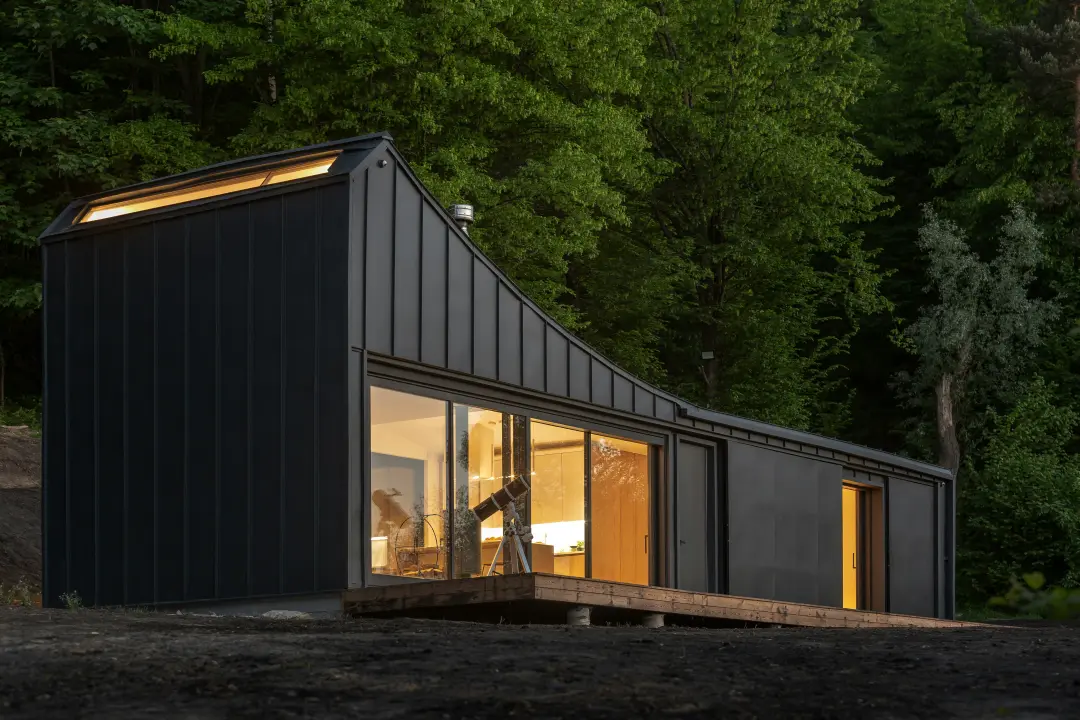
Beyond storage applications, shipping containers are increasingly being converted into residential spaces.
Container homes appeal to buyers because they offer:
- • Affordable housing alternatives
- • Faster construction timelines
- • Sustainable building materials
- • Modern architectural designs
- • Flexible layouts
Many container home projects can be completed more quickly than traditional construction because the primary structure already exists. Their modular design also allows homeowners to combine multiple containers to create larger living spaces as their needs evolve.
In addition to primary residences, shipping containers are frequently used for vacation rentals, guest houses, accessory dwelling units (ADUs), backyard offices, and off-grid living projects.
With proper insulation, ventilation, plumbing, and electrical systems, shipping containers can be transformed into comfortable living spaces that combine functionality with modern design.
How to Choose the Right Shipping Container
Before purchasing a container, consider the following:
- • Available space on your property
- • Required storage capacity
- • Delivery access
- • Local zoning regulations
- • Budget
- • Future expansion plans
Working with an experienced supplier can help ensure you select the correct size and condition for your project. Professional guidance can also help you understand delivery requirements, site preparation, and available customization options.
The Future of Shipping Containers for Storage and Housing
The growing popularity of shipping containers reflects a broader shift toward practical, secure, and flexible space solutions. Whether you’re a homeowner looking for extra storage, a contractor managing equipment, a business expanding inventory capacity, or an individual exploring alternative housing options, shipping containers offer advantages that traditional structures often cannot match.
From secure on-site storage and mobile workspaces to innovative container homes and commercial applications, these versatile structures continue to meet a wide range of residential and business needs. As demand for flexible, cost-effective solutions grows, shipping containers are likely to remain a popular choice for years to come.
Four Sons Logistics offers new and used shipping containers, delivery services, and customized storage solutions designed to fit your project requirements. Contact our team today to discuss available inventory and receive a personalized quote.
Common Questions About Shipping Containers for Storage and Homes
Are shipping containers better than traditional storage units?
For many homeowners and businesses, shipping containers provide greater convenience, security, and long-term value than traditional self-storage facilities. Having storage located directly on your property can eliminate travel time and provide easier access to your belongings.
What size shipping container should I buy?
A 20-foot container is often suitable for residential storage, while a 40-foot container offers significantly more capacity for commercial applications. The right size depends on the volume of items you plan to store and the available space on your property.
Can shipping containers be climate controlled?
Yes. Containers can be modified with insulation, ventilation systems, and climate-control equipment to protect temperature-sensitive items from extreme temperatures and humidity.
Are used shipping containers reliable?
Absolutely. Many used containers remain structurally sound and provide years of dependable storage when purchased from a reputable supplier.
How long do shipping containers last?
A properly maintained shipping container can last 25 years or more. New one-trip containers often provide decades of reliable service when used for storage, commercial projects, or housing applications.
Do I need a permit for a shipping container?
Permit requirements vary by city, county, and state. Before purchasing a container, it’s important to check local zoning regulations, building codes, and placement requirements.
Can shipping containers be placed on residential property?
In many areas, yes. However, homeowners should verify local zoning ordinances, neighborhood restrictions, and permit requirements before installation.
___
Featured image credit: Daiki Sato on Unsplash