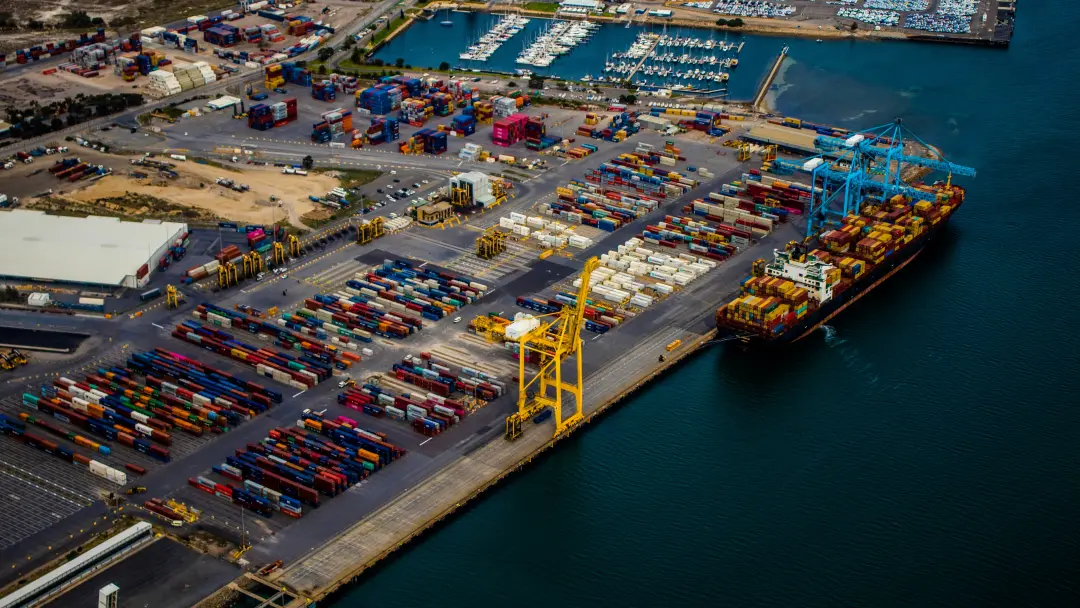
The global supply chain continues to face significant challenges, leading to major fluctuations in shipping container prices in 2025. From pandemic-related slowdowns in 2022 to global shipping disruptions through 2023 and 2024, the demand for reliable equipment has surged—pushing freight rates and container shipping rates to record highs. As ports deal with recurring port congestion and shifting shipping lanes, shippers are feeling the strain of increased demand. Understanding these dynamics is essential for anyone navigating the complexities of container shipping in today’s market.
In recent years, factors such as inflation, global conflicts, and rerouting in major shipping lanes have heavily influenced container cost and availability. Even temporary disruptions in the Red Sea and Suez Canal corridor have caused carriers to reroute vessels, adding distance and fuel consumption. These challenges illustrate how shifting trade routes affect shipping container prices worldwide. This article explores how ongoing supply chain issues continue to drive market trends—offering insights for businesses and individuals seeking new and used shipping containers for sale.
The Impact of Supply Chain Disruptions on Container Prices
Understanding Global Supply Chain Issues
Supply chain disruptions have been reshaping international trade since 2022, with ripple effects still visible today. The COVID-19 pandemic, geopolitical tensions, and global shipping disruptions have caused severe delays and port congestion across major container hubs. These conditions increase operational expenses, directly influencing container cost and availability. The unpredictability of shipping lanes further complicates logistics, making it crucial for businesses to stay updated on factors that shape shipping container prices.
Freight Rate Volatility and Market Pressures
Freight rates remain volatile as carriers respond to fluctuating demand and operational challenges. In 2023 and 2024, the imbalance between available TEU (twenty-foot equivalent unit) capacity and surging demand drove container shipping rates to their highest levels in years.
This trend is especially evident for 40-foot containers, which are heavily used for imports and exports. For companies seeking affordable container shipping solutions, understanding rate movements and global patterns is essential to maintaining cost efficiency.
The Role of Container Ports and Trade Routes
Container ports are critical to global commerce and are often the first points of congestion during major supply chain disruptions.
Key ports affected by recurring congestion include:
- Port of Long Beach (U.S.)
- Port of Shanghai (China)
- Port of Singapore
As shipping lanes shift due to regional instability or trade restrictions, costs rise and affect pricing throughout the logistics chain. Efficient port operations and adaptable routing are key to mitigating these challenges and controlling container cost.
Current Trends in Shipping Container Prices
Rising Demand for Shipping Containers
Demand for new and used shipping containers has continued to grow since 2022, driven by e-commerce expansion and global trade recovery. Businesses across industries rely on containers for transport, storage, and even modular infrastructure projects.
This sustained demand, combined with limited manufacturing capacity, has pushed shipping container prices upward worldwide. Many buyers now seek local options by searching for shipping containers for sale near me to reduce import-related expenses and delivery times.
Factors Influencing Container Supply
Several factors affect container supply, including trade policies, fuel prices, and production capacity in major manufacturing regions.
Key influences on container supply include:
- Trade policies that impact import/export flow and equipment circulation
- Fuel prices, which directly affect container shipping rates and delivery costs
- Manufacturing capacity in major regions like China and India
- Global shipping disruptions slowing container turnaround
- TEU availability, still below pre-2020 levels
These conditions contribute to higher freight rates and supply chain container shortages, as businesses compete for limited resources. Understanding these pressures and how they influence container shipping rates is crucial for long-term logistics planning.
Long-Term Projections for Shipping Rates
Looking ahead, shipping container prices in 2025 are expected to remain volatile as the global supply chain continues to recover. Rising energy costs, inflation, and fluctuating import volumes will continue to influence container cost across regions.
Businesses that track container shipping rates and maintain flexible strategies can better manage volatility. Strong relationships with logistics providers and ongoing awareness of port congestion trends will help companies maintain cost control.
Strategies for Managing Shipping Costs
Optimizing Shipping Routes
As shipping costs remain unpredictable, companies are reassessing their strategies to improve efficiency. By studying shipping lanes and anticipating delays from port congestion, shippers can make proactive decisions to minimize cost impacts.
Rerouting through alternative corridors may add distance but can avoid bottlenecks and lower overall container shipping rates. Adaptability and route optimization remain essential in managing expenses amid global shipping disruptions.
Utilizing New and Used Shipping Containers
Investing in new and used shipping containers gives businesses more control over logistics and reduces reliance on fluctuating lease markets.
Selecting the right size—whether a standard 20-foot or 40-foot container—helps optimize space and shipment value per TEU.
Many logistics providers, including Four Sons Logistics, offer shipping containers for sale and import options across the U.S. and Canada.
This flexibility helps reduce exposure to rising container costs and supports scalable logistics growth.
Staying Informed on Market and Supply Trends
In a market influenced by shifting trade conditions and global shipping disruptions, staying informed is more important than ever.
Businesses can stay informed by regularly tracking:
- Freight and container shipping rates
- Port performance and congestion indexes
- Import/export trends and trade reports
- Industry forecasts and logistics analyses
Monitoring these data sources allows businesses to forecast costs more accurately and adapt to changing market realities.
Explore Four Sons Logistics for Your Shipping Needs
In conclusion, the combination of supply chain challenges, fluctuating container shipping rates, and evolving global trade patterns continues to shape shipping container prices in 2025. From 2022 through 2024, industries have adapted to rising container costs, shifting shipping lanes, and ongoing port congestion—factors that remain crucial in logistics today.
Four Sons Logistics provides a wide range of new and used shipping containers designed for transport, storage, or modification. With nationwide service areas and flexible delivery options, we help you overcome global shipping disruptions with reliable, cost-effective solutions.
Request a quote today to see how we can support your logistics strategy with dependable and affordable container shipping options.
___
Featured image credit: Alex Duffy on Unsplash