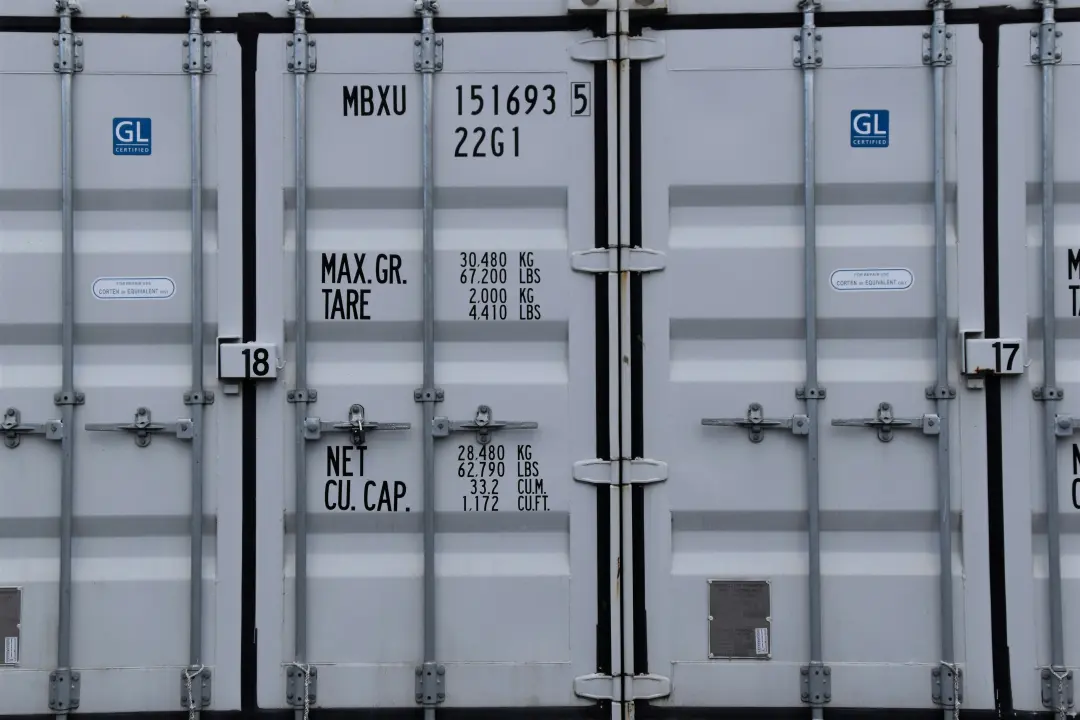
Understanding what can fit inside a 20ft or 40ft shipping container is important whether you are using it for storage, moving furniture, retail inventory, or commercial cargo. Choosing the right container size helps maximize space, improve loading efficiency, and reduce the risk of damage during transit.
This guide explains standard container dimensions, cubic capacity, pallet space, furniture storage, and high cube options so you can better estimate how much cargo a container can safely hold. We also cover loading strategies, weight limits, and practical tips for getting the most out of your container space.
Whether you are comparing new or used shipping containers for sale, planning a household move, or organizing freight shipments, understanding container capacity can help you select the right solution for your needs.
20ft Container Dimensions and Capacity
Internal Dimensions
A standard 20ft shipping container typically provides approximately 1,169 cubic feet of internal volume. Most standard units measure close to:
- • 19’4″ long
- • 7’8″ wide
- • 7’10” high
A 20-foot high cube container offers roughly one additional foot of interior height, increasing vertical storage space and making it easier to load taller furniture, stacked boxes, or oversized cargo.
Understanding a container’s internal dimensions and usable floor space helps estimate how many pallets, boxes, or furniture pieces can fit inside. It is also important to account for door clearance and proper weight distribution when planning a shipment to avoid overloading or shifting during transport.
Container Sizes
Shipping containers are commonly available in 20ft and 40ft sizes, with both standard and high cube configurations. The best option depends on your total cargo volume, the size of individual items, and your loading requirements.
A 20ft container is often ideal for:
- • Household moves
- • Small business inventory
- • Construction materials
- • Moderate pallet loads
A 40ft shipping container provides significantly more floor space and total cubic volume, making it better suited for larger moves, bulk inventory, or oversized furniture.
High cube containers add extra vertical clearance, which can improve stacking efficiency and maximize usable storage space.
Pallet Capacity
Standard pallets play a major role in determining how much cargo can fit inside a shipping container. A standard 20ft shipping container can typically hold around 10 to 11 standard 48″ x 40″ pallets when loaded efficiently.
Palletized cargo offers several advantages:
- • Faster loading and unloading
- • Improved cargo stability
- • Better space utilization
- • Safer transport conditions
If pallets need to be stacked, a high cube container may provide the additional vertical space necessary for safe loading without damaging cargo underneath.
To maximize efficiency, ensure pallets are evenly distributed and properly secured to reduce movement during transit.
Loading a Shipping Container Efficiently
Loading Strategies
The way a container is loaded directly affects safety, cargo protection, and overall space efficiency.
Start by measuring all items and mapping out the container’s internal dimensions before loading begins. Place heavier cargo near the center of the container floor to maintain balance and reduce stress on axle points during transport.
Additional loading best practices include:
- • Distributing weight evenly
- • Securing cargo with straps or load bars
- • Using dunnage or protective padding
- • Avoiding empty gaps between items
Efficient loading helps reduce unloading time, minimizes cargo movement, and improves the overall use of the container’s cubic capacity.
Container Modifications
Container modifications can improve storage efficiency and support specialized cargo requirements. Common modifications include:
- • Shelving systems
- • Added ventilation
- • Floor reinforcement
- • Additional doors
- • Interior lighting
These modifications are often useful for storage applications, retail conversions, workshops, or transporting delicate furniture and equipment.
When considering modifications, ensure they do not compromise structural integrity or significantly reduce usable interior space. It is also important to maintain compliance with roadworthiness and transportation regulations if the container will remain in active transport use.
Unloading Considerations
Proper unloading preparation can save time and reduce the risk of damage.
Place heavier or less frequently accessed items toward the back of the container while keeping essential or fragile items closer to the doors for easier access.
For palletized shipments, make sure there is enough exterior space for forklifts or pallet jacks to operate safely. Labeling boxes and following a loading plan can also simplify unloading and reduce unnecessary handling.
For larger shipments, professional loading and unloading assistance may help improve safety and efficiency.
What Furniture and Cargo Can Fit Inside a 20ft Container?
Furniture Storage
A 20ft shipping container can typically hold the contents of a one- to two-bedroom apartment when packed efficiently.
Common furniture items that may fit include:
- • Sofas
- • Chairs
- • Mattresses
- • Dining tables
- • Wardrobes
- • Appliances
- • Boxed household goods
Disassembling furniture and using protective wrapping can significantly improve available space and help prevent scratches or damage during loading.
Sofas and large furniture pieces may fit upright depending on the container’s internal dimensions and door clearance. A high cube container can provide additional headroom for taller items or stacked storage.
Before loading, measure large furniture carefully to ensure it can pass through the container doors safely.
How Much Furniture Can Fit in a 20ft Container?
The amount of furniture that fits inside a 20ft container depends on several factors, including:
- • Item dimensions
- • Packing method
- • Stackability
- • Use of pallets
- • Total cargo weight
When packed strategically, a 20-foot shipping container can often accommodate:
- • Multiple bedrooms of furniture
- • Appliances
- • Household storage boxes
- • Business inventory
- • Retail stock
For larger moves or bulky cargo, a 40ft container or 20ft high cube container may provide a more practical solution while reducing the risk of overcrowding or damage.
Calculating total cubic footage before loading helps avoid exceeding safe cargo capacity.
Common Cargo That Fits in a 20ft Container
A standard 20ft shipping container is frequently used for:
- • Palletized goods
- • Household furniture
- • Small vehicles
- • Construction materials
- • Retail inventory
- • Machinery parts
- • Seasonal storage
For businesses, 20ft containers offer a balance between storage capacity, transportation efficiency, and handling convenience.
If additional vertical space is required, high cube containers can improve stacking potential and maximize interior volume.
Always confirm your cargo dimensions and total weight before finalizing a loading plan.
40ft Container & High Cube Options
40ft Shipping Container Capacity
A 40ft shipping container provides nearly double the floor space of a standard 20ft container, making it ideal for larger commercial shipments or household moves.
Typical capacity includes:
- • Approximately 2,390 cubic feet of interior volume
- • Increased pallet capacity
- • More room for oversized furniture or equipment
A 40ft high cube container adds approximately one additional foot of height, increasing total cubic capacity and allowing for more efficient stacking.
These containers are commonly used for:
- • Bulk cargo
- • Large furniture shipments
- • Industrial equipment
- • Commercial storage
- • High-volume inventory transport
When choosing between 20ft and 40ft containers, consider both total cargo volume and transportation weight limits.
Benefits of High Cube Containers
High cube containers provide additional vertical clearance that can improve loading flexibility and storage efficiency.
Benefits include:
- • More stacking height
- • Better space utilization
- • Easier loading of tall cargo
- • Reduced need to disassemble furniture
- • Increased cubic capacity
For businesses shipping palletized goods, high cube containers may help reduce the number of containers required, lowering handling and transportation costs.
Proper weight distribution remains essential to maintain safe transport conditions.
Different Container Types
Shipping containers are available in several specialized configurations, including:
- • Standard dry containers
- • High cube containers
- • Refrigerated (reefer) containers
- • Open-top containers
- • Flat-rack containers
- • Modified containers
The best container type depends on your cargo dimensions, transportation needs, and storage requirements.
When comparing shipping containers for sale, consider factors such as:
- • Interior dimensions
- • Condition
- • Ventilation
- • Security features
- • Ease of access
- • Intended use
Understanding different container types helps ensure your cargo remains protected while maximizing available space.
Practical Tips for Maximizing Container Space
Understanding Weight Limits
Every shipping container has maximum payload and gross weight limits that must be followed for safe transportation.
Exceeding these limits can result in:
- • Transportation fines
- • Unsafe road conditions
- • Structural stress
- • Cargo damage
- • Delayed shipments
To maintain safe loading conditions:
- • Spread weight evenly
- • Avoid concentrated heavy loads
- • Use accurate scales
- • Follow transport regulations
- • Document cargo weights properly
Weight planning is especially important for international shipping and commercial freight transport.
Using Container Dimensions Effectively
Carefully measuring cargo before loading can prevent costly mistakes and improve overall efficiency.
Be sure to compare item dimensions against:
- • Interior length
- • Interior width
- • Interior height
- • Door opening width
- • Door opening height
Creating a loading diagram beforehand can help maximize floor space and improve cargo organization.
Blocking and bracing techniques may also help protect fragile items and stabilize stacked cargo during transport.
Improving Container Capacity Efficiency
Maximizing container efficiency involves combining smart packing methods with the right container size.
Helpful strategies include:
- • Using uniform box sizes
- • Optimizing pallet placement
- • Stacking safely
- • Choosing high cube containers when needed
- • Consolidating shipments when possible
For some shipments, using one 40ft container instead of multiple 20ft containers may reduce handling costs and improve transportation efficiency.
Careful planning and balanced loading can help maximize usable space while reducing the risk of cargo damage.
Find the Right Shipping Container for Your Storage or Shipping Needs
Whether you need a container for storage, moving, commercial cargo, or business operations, choosing the right size and configuration can make a major difference in efficiency, safety, and overall cost. Understanding container dimensions, pallet capacity, loading strategies, and weight limits helps ensure your cargo fits properly while reducing the risk of damage during transit.
Four Sons Logistics offers a wide range of new and used shipping containers for sale, including 20ft shipping containers, 40ft shipping containers, high cube containers, and specialty containers.
Whether you are storing furniture, shipping palletized cargo, organizing a construction site, or expanding business storage capacity, our team can help you choose the right container solution for your project.
Ready to get started? Contact Four Sons Logistics today to request a custom quote, compare available container sizes, and schedule delivery to your area.
Frequently Asked Questions About 20ft & 40ft Shipping Containers
How much can fit inside a 20ft shipping container?
A standard 20ft shipping container can typically hold the contents of a one- to two-bedroom apartment, around 10 to 11 standard pallets, or approximately 1,169 cubic feet of cargo. The exact capacity depends on the size, weight, and arrangement of the items being loaded.
What are the internal dimensions of a 20ft shipping container?
Most standard 20ft shipping containers have internal dimensions close to:
- 19’4″ long
- 7’8″ wide
- 7’10” high
A 20ft high cube container provides about one additional foot of interior height for extra vertical storage space.
What is the difference between a standard container and a high cube container?
A high cube shipping container is similar to a standard container but includes approximately one extra foot of height. This added clearance makes high cube containers ideal for stacking pallets, storing tall furniture, or maximizing cubic storage capacity.
How many pallets fit in a 40ft shipping container?
A standard 40ft shipping container can typically fit around 20 to 24 standard pallets depending on pallet size, loading configuration, and cargo dimensions. High cube containers may allow for additional stacked storage when cargo can be safely stacked.
Are shipping containers good for storage and moving?
Yes, shipping containers are commonly used for residential storage, moving, construction equipment storage, retail inventory, and commercial cargo transport. Their durable steel construction, secure locking systems, and multiple size options make them a practical solution for both short-term and long-term storage needs.
___
Featured image credit: Waldemar Brandt on Unsplash