Supply chain delays, cargo damage, and limited shipment visibility can create major challenges for logistics providers and businesses moving goods across the country or around the world. For industries handling food, pharmaceuticals, electronics, and other sensitive products, even minor temperature fluctuations or delivery disruptions can result in costly losses.
To address these challenges, many companies are adopting IoT-enabled smart containers that provide real-time tracking, environmental monitoring, and automated alerts throughout transit. By combining GPS technology, cloud-based platforms, and connected sensors, smart shipping containers help logistics teams improve supply chain management, monitor cargo conditions, increase operational efficiency, and make faster, data-driven decisions across the supply chain.
From refrigerated containers used in cold chain logistics to standard cargo containers equipped with location tracking and condition monitoring, the Internet of Things (IoT) technology is changing how businesses manage shipping operations in today’s fast-moving logistics environment.
How Smart Container Monitoring Works
IoT Sensors and Connected Devices
Smart containers use IoT sensors to continuously monitor environmental conditions such as temperature, humidity, vibration, shock, and door activity during transport. These connected devices transmit live data through cellular, satellite, or LPWAN networks, allowing logistics teams to track cargo conditions from virtually anywhere.
This level of monitoring is especially valuable for cold chain operations involving seafood, produce, pharmaceuticals, and other temperature-sensitive shipments. If conditions move outside acceptable ranges, automated alerts can notify operators immediately so corrective action can be taken before products are damaged.
The collected data can also be stored in cloud platforms for reporting, analytics, and long-term performance tracking, helping businesses identify recurring issues and improve overall logistics efficiency.
GPS Tracking and Real-Time Visibility
GPS-enabled smart containers provide accurate location tracking across ocean, rail, and road transport routes. When GPS tracking is combined with sensor telemetry, logistics providers gain complete visibility into both cargo location and shipment conditions throughout transit.
Real-time shipment data helps operators:
- • coordinate intermodal transfers
- • reduce delays at ports and terminals
- • improve delivery planning
- • provide accurate estimated arrival times
- • respond quickly to disruptions or route changes
For companies shipping high-value or regulated cargo, live tracking also improves security and accountability across the transportation process.
Environmental Condition Monitoring
Monitoring environmental conditions is essential for protecting sensitive cargo during transportation. IoT-enabled systems can track:
- • temperature
- • humidity
- • air quality
- • shock events
- • container tilt
- • door openings
This information helps businesses maintain product quality, comply with safety regulations, and preserve cold chain integrity throughout long-distance shipments.
For example, pharmaceutical distributors often rely on continuous environmental monitoring to verify that medications remain within strict temperature ranges during international transport. Food suppliers also use smart container technology to reduce spoilage and protect perishable inventory.
Benefits of the Internet of Things (IoT) Smart Containers
Improved Supply Chain Visibility
One of the biggest advantages of IoT-enabled containers is improved operational visibility. Logistics teams can monitor shipments in real time instead of relying on delayed status updates or manual inspections.
Greater visibility allows businesses to:
- • identify shipment delays earlier
- • improve communication with customers
- • reduce operational blind spots
- • strengthen inventory planning
- • improve coordination between carriers and warehouses
This level of transparency helps organizations make faster decisions and maintain better control over complex shipping operations.
Predictive Maintenance and Equipment Reliability
Smart containers also support predictive maintenance strategies by monitoring equipment performance and identifying potential failures before they become serious problems.
Sensors installed in refrigerated containers can monitor:
- • compressor performance
- • power supply stability
- • vibration patterns
- • cooling efficiency
If abnormal readings are detected, maintenance teams can address issues proactively before equipment breakdowns affect shipments.
Predictive maintenance reduces downtime, lowers repair costs, and improves the reliability of container fleets operating in demanding shipping environments.
Route Optimization and Fuel Efficiency
IoT data can help logistics providers optimize transportation routes and reduce unnecessary fuel consumption. By analyzing traffic patterns, dwell times, and delivery schedules, businesses can improve shipment planning and reduce operational inefficiencies.
Smarter routing strategies help companies:
- • reduce idle time
- • improve delivery performance
- • lower fuel costs
- • increase fleet utilization
- • reduce carbon emissions
These improvements are especially valuable for large-scale logistics operations managing multiple shipments across regional or international supply chains.
IoT Integration in Modern Logistics
Cloud Platforms and Data Integration
Modern smart container systems rely on cloud-based platforms that collect and organize data from sensors, GPS devices, and logistics management systems. These platforms provide centralized dashboards where operators can monitor shipments, review alerts, and analyze performance trends in real time.
Integrating IoT data with transportation management systems (TMS) and warehouse management systems (WMS) allows businesses to streamline operations and automate workflows such as:
- • shipment notifications
- • customs documentation
- • maintenance scheduling
- • exception reporting
- • inventory tracking
Centralized visibility helps reduce manual processes while improving operational accuracy across the supply chain.
IoT-Enabled Reefer Containers
Refrigerated containers, commonly known as reefer containers, are among the most common applications of IoT technology in logistics. These containers transport temperature-sensitive products such as:
- • pharmaceuticals
- • dairy products
- • seafood
- • frozen goods
- • fresh produce
Smart reefer containers use connected monitoring systems to maintain stable temperature and humidity levels throughout transport.
If a refrigeration issue occurs, operators can receive instant notifications and take corrective action before inventory is compromised. Some systems even allow remote temperature adjustments, helping businesses respond quickly to changing shipment conditions.
Security and Cargo Protection
Smart containers also improve shipment security through geofencing, door monitoring, and tamper alerts. Businesses can receive notifications if containers enter unauthorized areas or if doors are opened unexpectedly during transit.
These security features help:
- • reduce cargo theft
- • improve chain-of-custody tracking
- • strengthen compliance reporting
- • protect high-value inventory
For industries transporting electronics, pharmaceuticals, or sensitive materials, enhanced shipment security is becoming an increasingly important part of logistics planning.
The Future of Smart Container Technology
As IoT adoption continues to grow, smart containers are expected to become a standard part of modern supply chain operations. Advancements in artificial intelligence, edge computing, and predictive analytics will allow logistics providers to automate more processes and improve decision-making across global shipping networks.
Future developments may include:
- • AI-powered route optimization
- • automated exception management
- • improved sustainability tracking
- • enhanced fleet analytics
- • more energy-efficient monitoring systems
As connected logistics technology becomes more affordable and scalable, businesses of all sizes will have greater access to tools that improve visibility, reduce waste, and strengthen operational performance.
Smarter Container Solutions for Modern Supply Chains
IoT-enabled smart containers are changing how businesses manage logistics by improving shipment visibility, cargo protection, and operational efficiency. With real-time tracking, environmental monitoring, and predictive insights, companies can reduce delays, prevent losses, and maintain better control across the supply chain.
As the demand for faster and more reliable shipping continues to grow, modern container solutions are becoming an essential part of efficient logistics operations. Whether you need refrigerated containers, storage solutions, or dependable shipping containers for commercial use, Four Sons Logistics provides reliable container solutions backed by industry expertise and responsive service.
Contact Four Sons Logistics today to request a quote and learn more about available container options for your business.
___
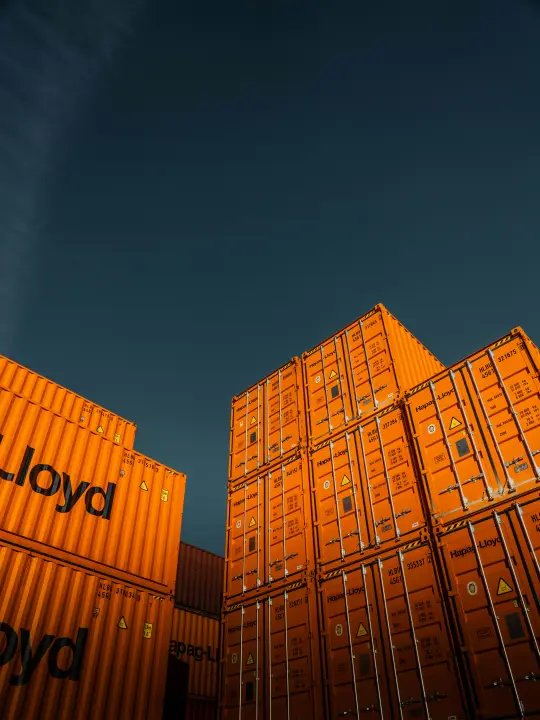
Featured image credit: Aron Yigin on Unsplash