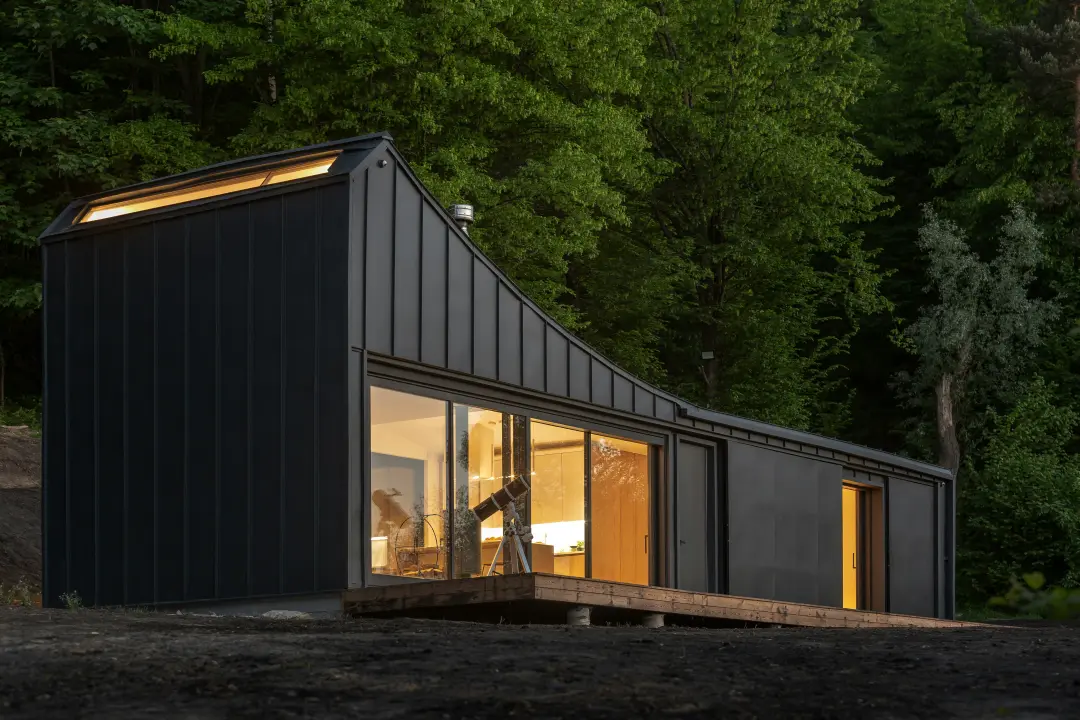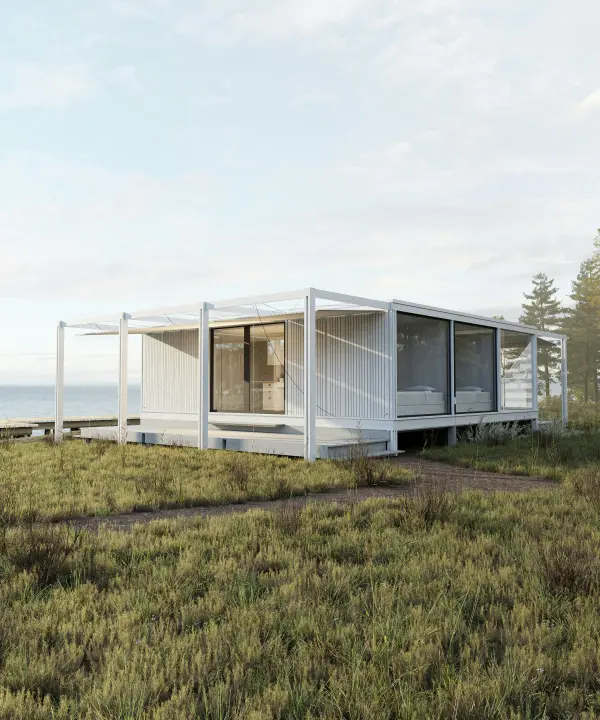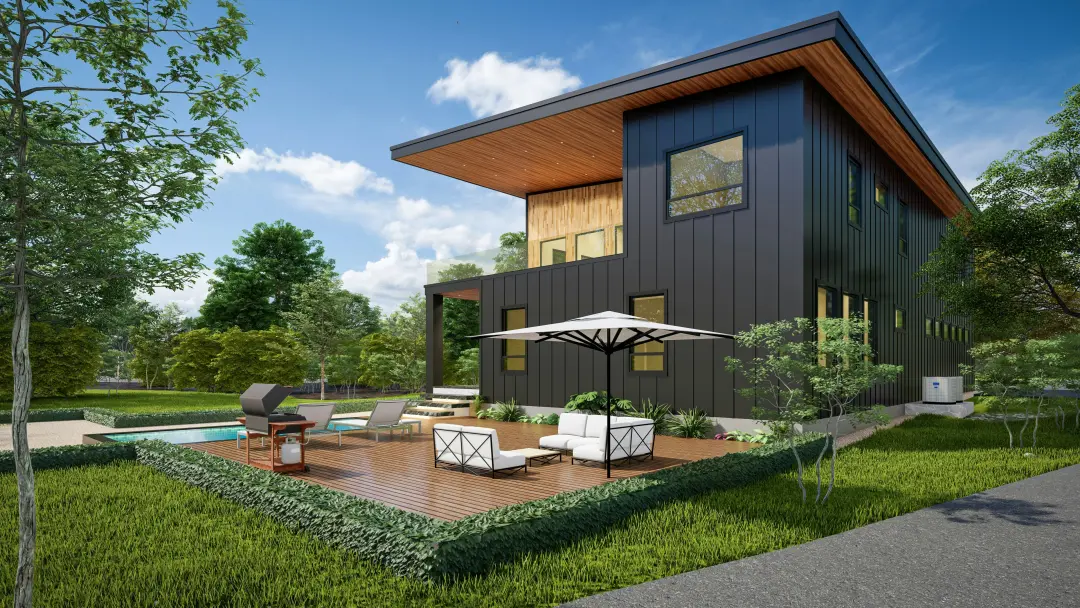
Hurricane-proofing a shipping container home in Florida requires more than just stacking steel boxes. To withstand Category 5 hurricanes, your container house must be designed around extreme wind speeds, storm surge, and strict building codes.
Whether you’re planning to buy new or used shipping containers, convert a container into a home, or build a multi-level structure, proper engineering and compliance with the Florida Building Code (FBC) and Federal Emergency Management Agency (FEMA) guidelines are essential.
This guide explains how to hurricane-proof a shipping container home in Florida, including anchoring systems, flood elevation, permits, and structural reinforcement.
Understanding Wind Resistance for Container Homes
Wind Load Requirements in Florida
Designing for wind loads is critical in hurricane-prone regions. Engineers calculate forces based on wind zones and expected speeds—especially in coastal areas where Category 5 hurricane winds can exceed 150 mph.
To improve structural performance:
- • Add internal framing and cross-bracing
- • Reinforce with welded or bolted steel plates
- • Strengthen roof and wall connections
These upgrades improve overall hurricane resistance and help container homes withstand uplift and lateral forces during extreme storms.
How Wind Resistance is Achieved
Wind resistance depends on proper anchoring and reinforcement. Containers must be securely attached to foundations using:
- • Anchor bolts
- • Ground anchors
- • Reinforced base plates
Special attention should be given to corner castings, where most structural loads transfer.
A well-designed system ensures compliance with local code requirements and long-term structural safety.
Designing for High Wind Speeds
Florida’s coastal regions require structures to meet high-velocity hurricane zone (HVHZ) standards.
Design considerations include:
- • Pressure differences around windows and doors
- • Roof uplift resistance
- • Impact protection systems
Accurate wind speed planning ensures your container home can handle strong winds and extreme hurricane conditions.
Best Anchoring Systems for Shipping Container Homes in Florida
Anchor Bolts and Foundation Connection
Anchor bolts secure the container to concrete foundations or pilings, preventing movement during storms. Proper sizing and placement—determined by an engineer—are essential for resisting uplift forces at ground level installations.
Complete Anchoring Systems for Hurricane Zones
A hurricane-resistant anchoring system may include:
- • Deep foundations or pile systems
- • Reinforced concrete pads
- • Integrated ground anchors
These systems are especially important for coastal container homes exposed to storm surge.
Ground Anchors for Sandy Soil Conditions
In many parts of Florida, sandy soil requires additional support. Helical ground anchors are commonly used because they:
- • Provide strong uplift resistance
- • Perform well in loose soil
- • Reduce foundation limitations
Flood Protection and Elevation Requirements
How to Prevent Flood Damage
Flooding is one of the biggest risks for container houses in coastal areas. To reduce damage:
- • Elevate the structure above flood levels
- • Use corrosion-resistant coatings
- • Install proper drainage systems
Base Flood Elevation (BFE) Explained
Base Flood Elevation (BFE) determines how high your container home must be built to comply with floodplain regulations.
Building above BFE helps:
- • Reduce flood risk
- • Lower insurance costs
- • Improve long-term durability
Coastal Considerations in Florida
Coastal environments expose container homes to:
- • Salt corrosion
- • Storm surge
- • Flying debris
Homes in these areas must meet stricter standards, especially in Miami-Dade and Broward County, where homeowners face higher wind and flood requirements.
Permits, Engineering, and Inspections
Permitting a Shipping Container House in Florida
Before construction begins, you’ll need permits that include:
- • Engineer-stamped drawings
- • Wind load calculations
- • Anchoring system details
Why You Need a Structural Engineer
A licensed engineer ensures your shipping container home meets:
- • Wind resistance requirements
- • Structural integrity standards
- • Local building codes
Inspection Requirements
Inspections verify that construction follows approved plans. They help catch issues early and ensure your home is safe and compliant.
Hurricane-Resistant Upgrades for Container Homes
Impact Windows and Shutters
Impact-rated shutters and windows protect against flying debris and prevent internal pressure buildup.
Insulation and Moisture Protection
Closed-cell spray foam insulation helps:
- • Improve energy efficiency
- • Prevent moisture intrusion
- • Add structural rigidity
Reinforced Welding and Connections
High-quality welds are critical for structural strength. All welding should meet engineering standards and pass inspection.
Build a Hurricane-Resistant Container Home in Florida
Four Sons Logistics provides new and used shipping containers for sale in Miami, Jacksonville, Fort Lauderdale, Orlando, Tampa, and across surrounding areas in Florida. We help customers choose structurally sound containers and prepare them for safe, code-compliant conversion.
Whether you’re planning a coastal build or an inland project, our team supports container home projects with reliable delivery and logistics expertise.
Get a quote today and start building a hurricane-resistant container home designed for Florida’s toughest conditions.
Frequently Asked Questions About Hurricane-Proof Container Homes
Can shipping container houses withstand hurricanes in Florida?
Yes, when properly engineered, reinforced, and anchored, container homes can withstand hurricane-force winds and meet Florida building code requirements.
What is the best anchoring system for container homes in Florida?
The best system typically combines anchor bolts, ground anchors, and reinforced foundations designed for local soil and wind conditions.
Do container homes need to be elevated in flood zones?
Yes. Homes in flood-prone areas must be built above Base Flood Elevation (BFE) to comply with FEMA and local regulations.
Are permits required for shipping container houses in Florida?
Yes. Permits are required and usually include structural plans, engineering approval, and inspections throughout construction.
How do you make a shipping container home hurricane-resistant?
Key steps include proper anchoring, structural reinforcement, impact protection, elevation, and compliance with Florida Building Code standards.
___
Featured image credit: Salman Saqib on Unsplash